
Home / Knowledge hub /
What makes Bridgeton the perfect partner for your next sterile fill finish project?
October 13, 2025
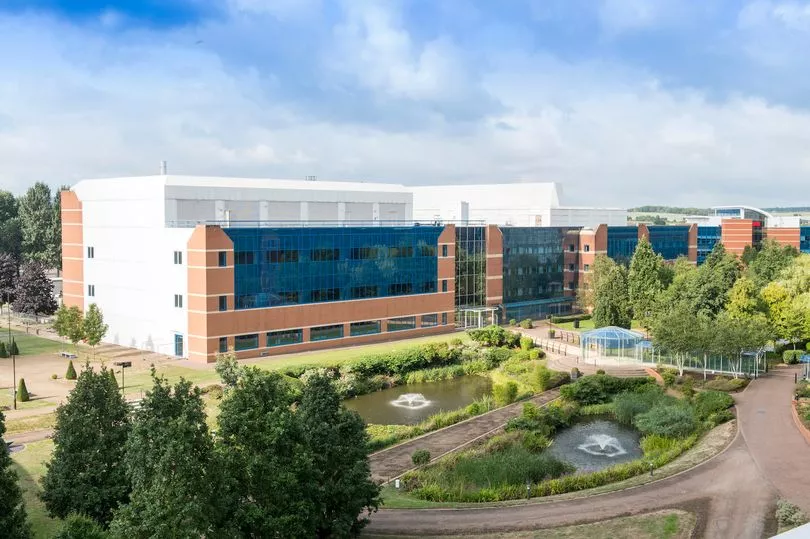
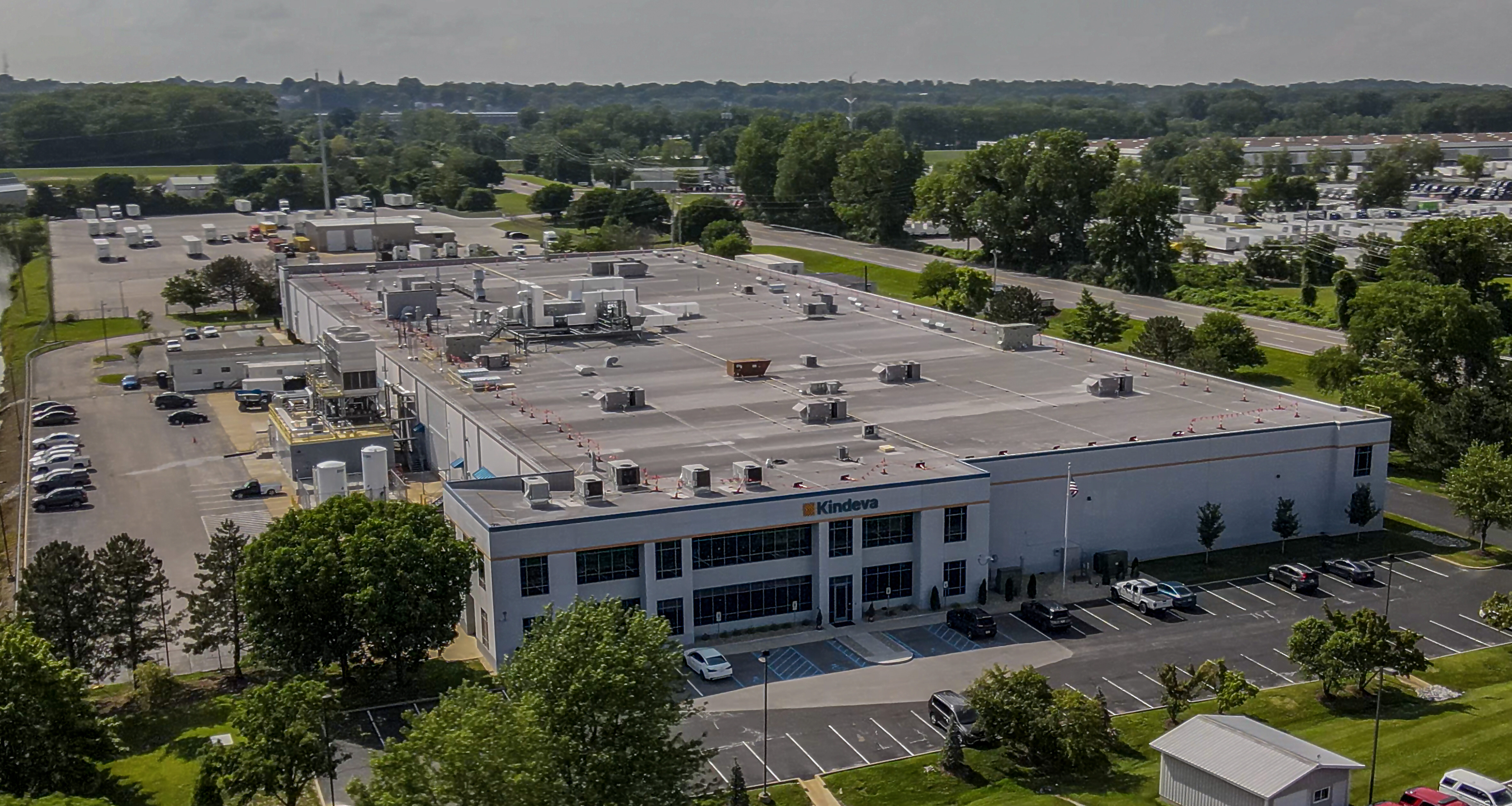
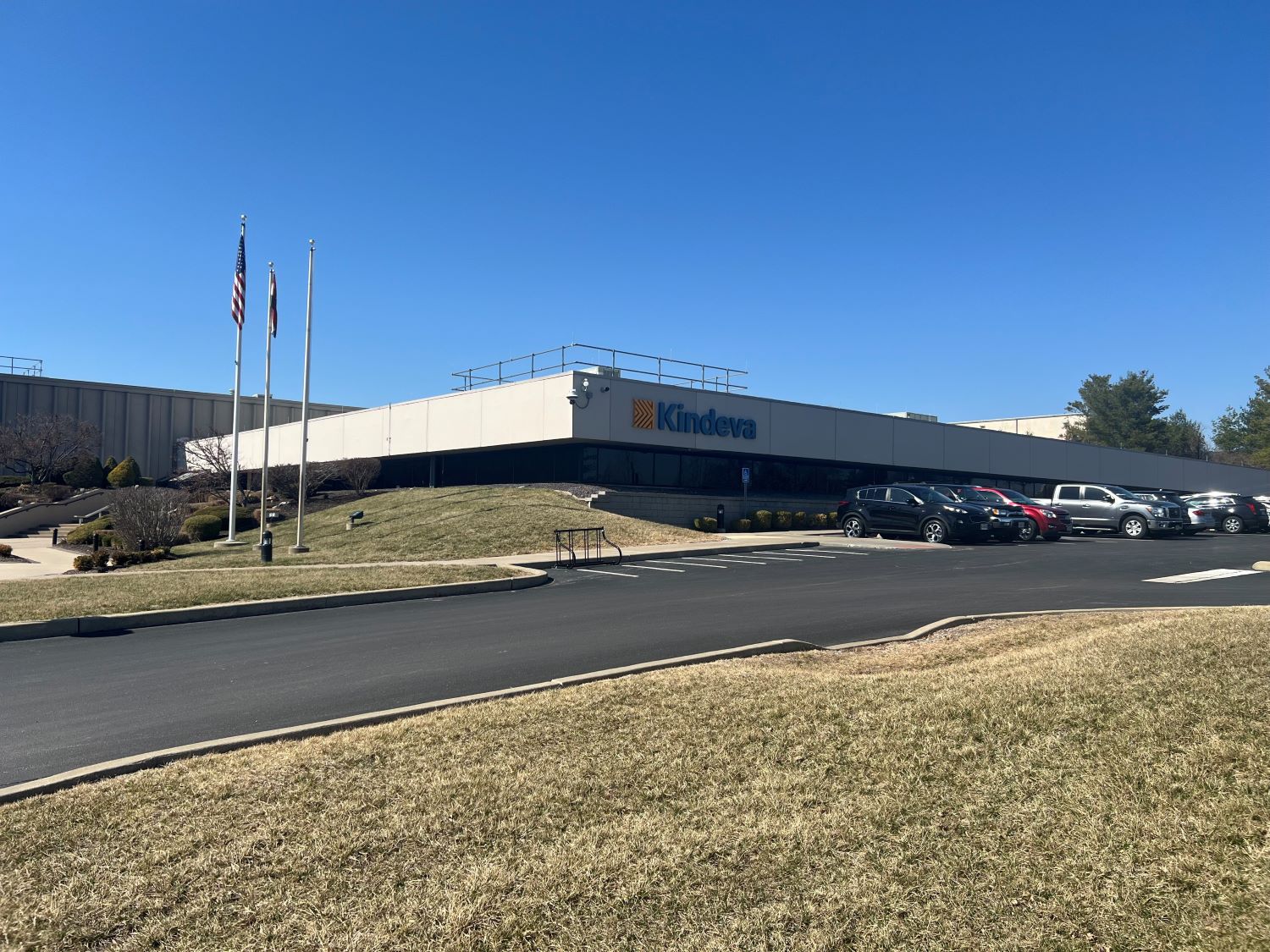
The pharmaceutical sector is experiencing a significant increase in the demand for advanced biologics, biosimilar therapies and other sterile injectables. As a result, the global sterile injectables market is projected to grow from $632 billion in 2025 to $1.078 trillion by 2032, with a compound annual growth rate of 7.9% [1]. In response to this growing demand, Kindeva’s Bridgeton, Missouri, facility offers a world-class facility to address the urgent need for scalable manufacturing solutions for these cutting-edge biologics.
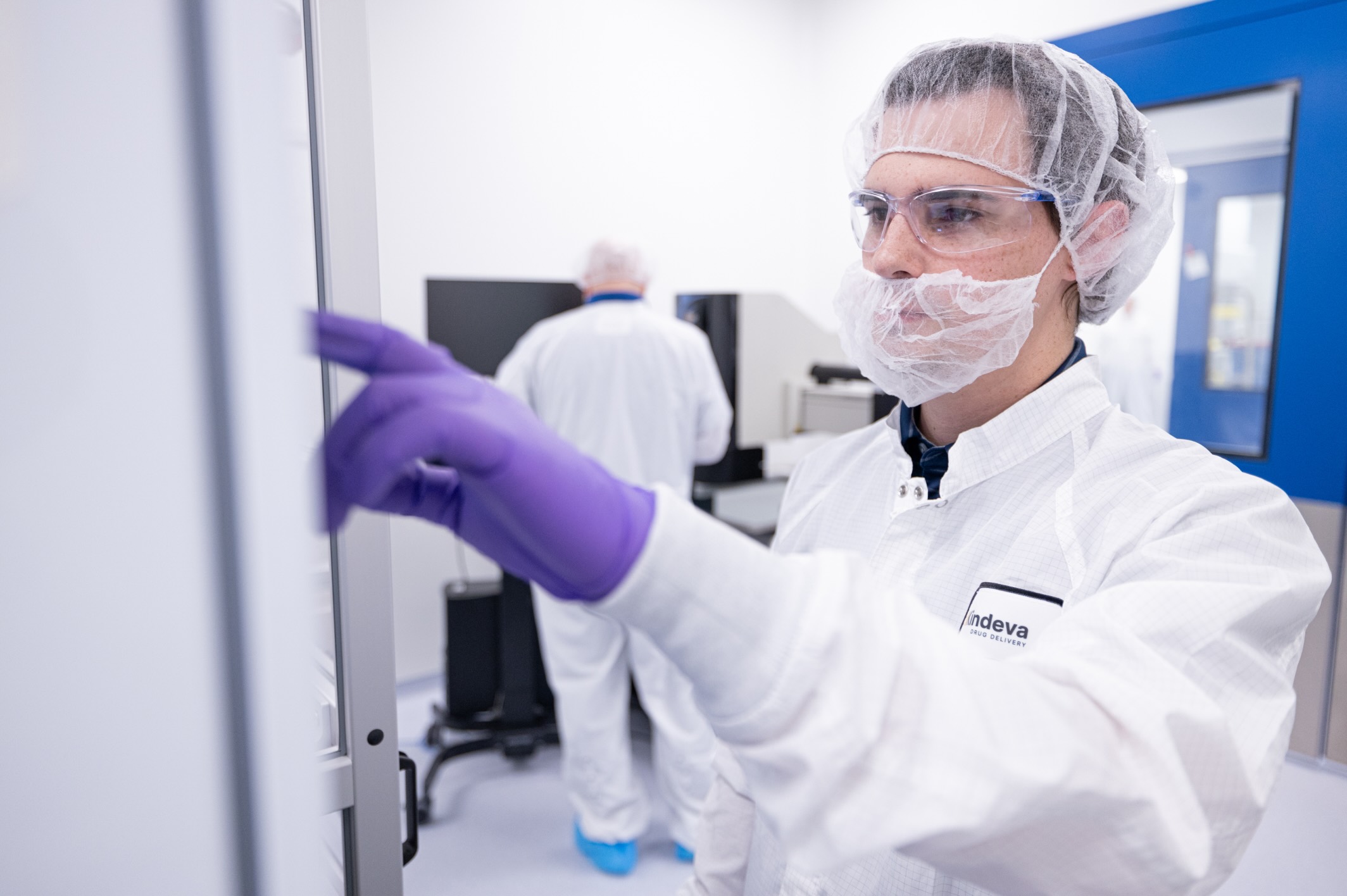
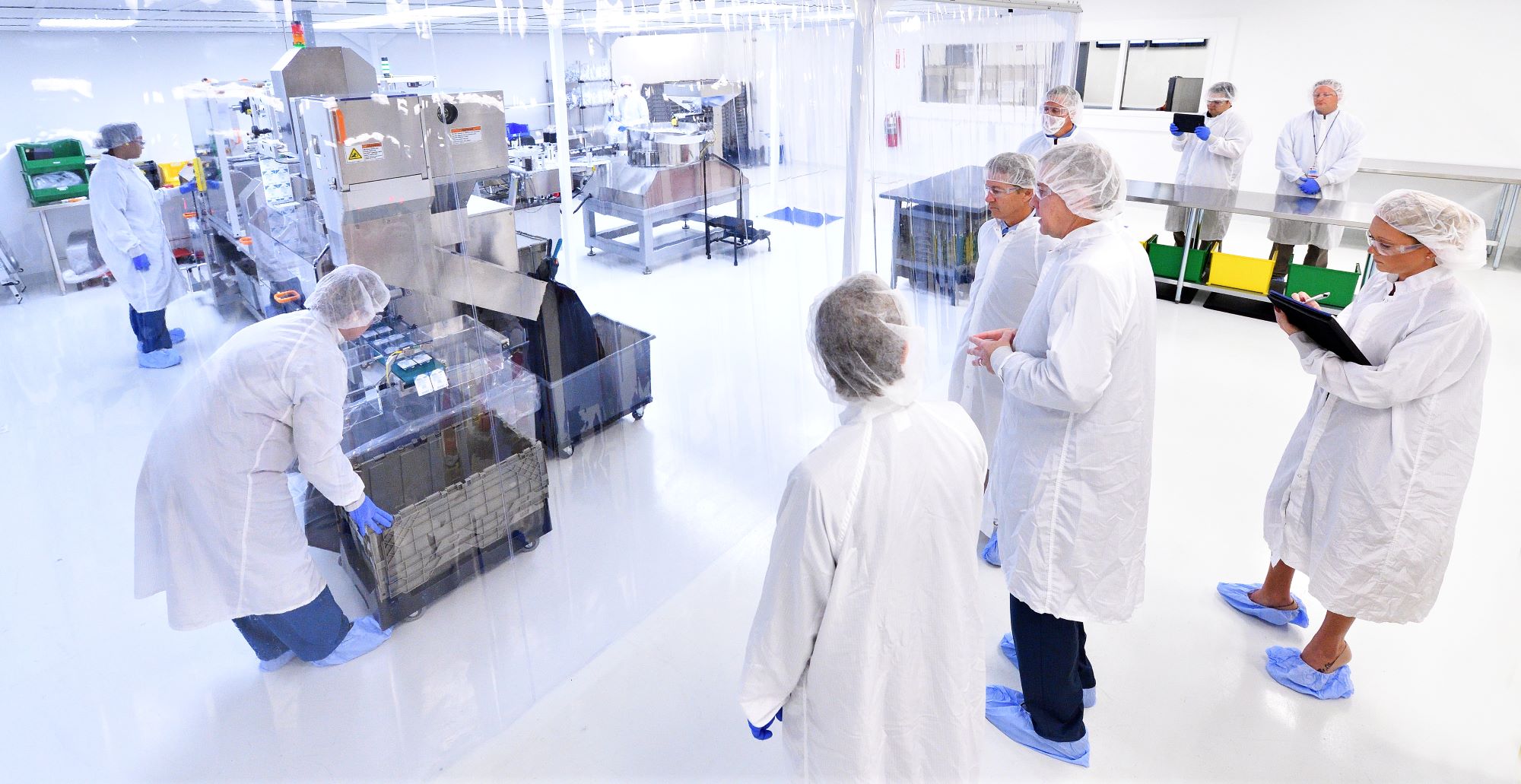
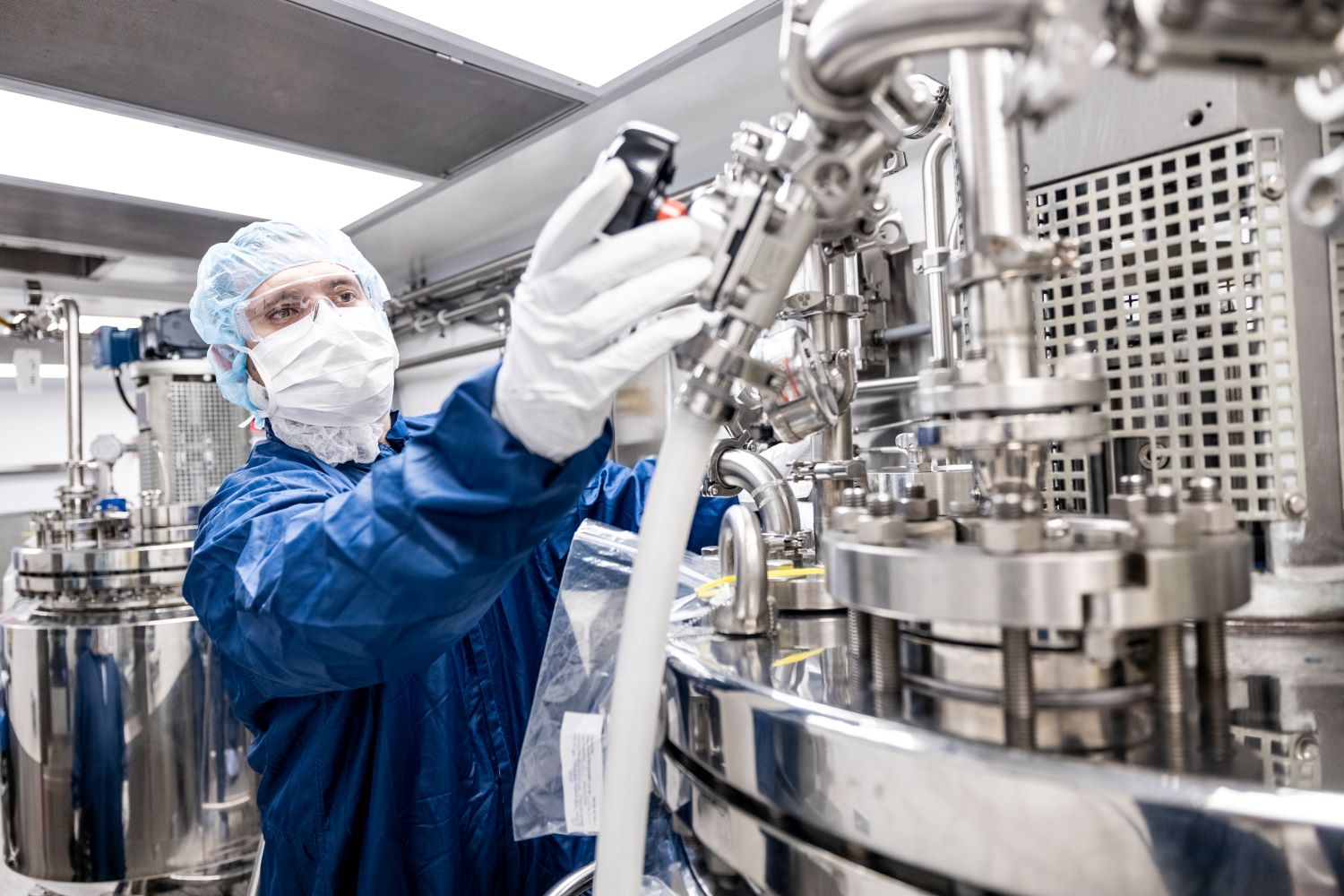
The Bridgeton facility is engineered to provide a seamless and efficient pathway for sterile injectable products. This purpose-built facility has over 155,000 square feet of cGMP-compliant aseptic operations space and almost 11,000 square feet of dedicated fill suites. The facility’s design principles are focused on patient safety and compliance with stringent regulatory guidelines, including Annex 1.
What are the cutting-edge equipment and features that make Bridgeton an ideal partner?
Advanced filling technology with high-speed vial filling
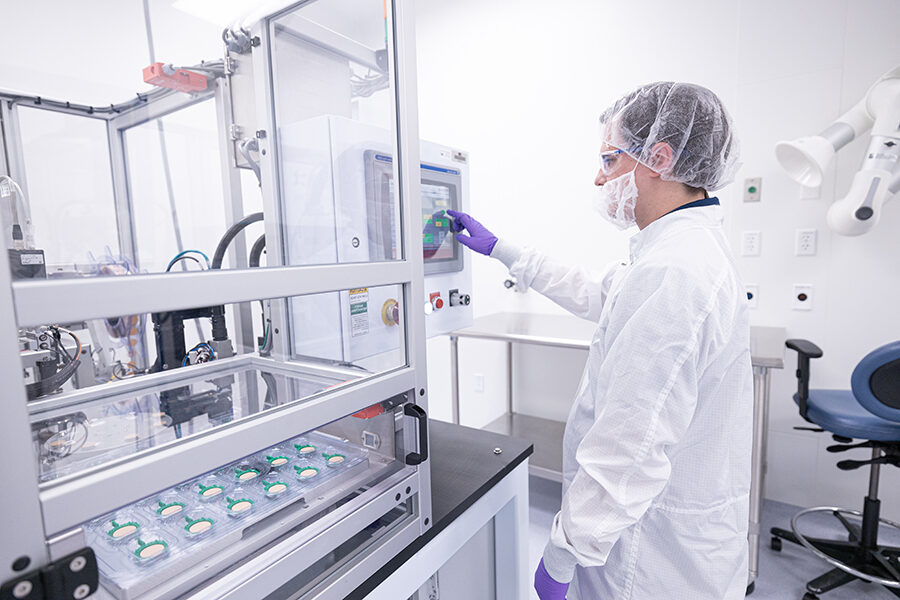
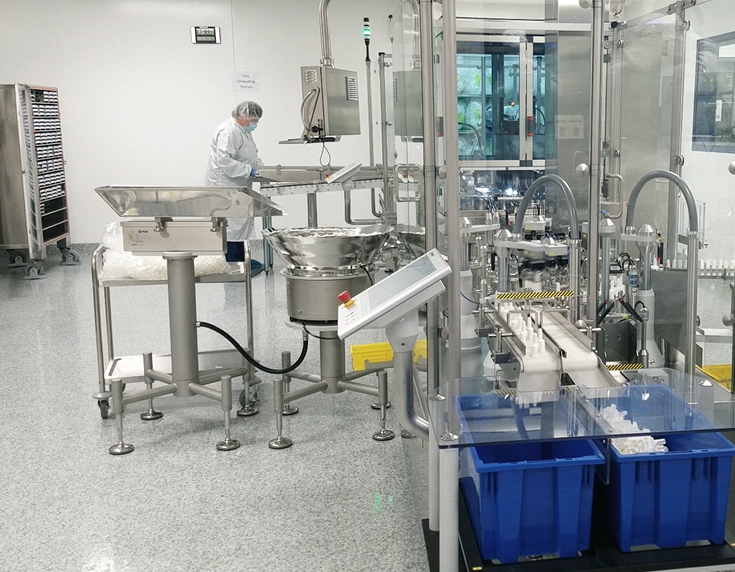
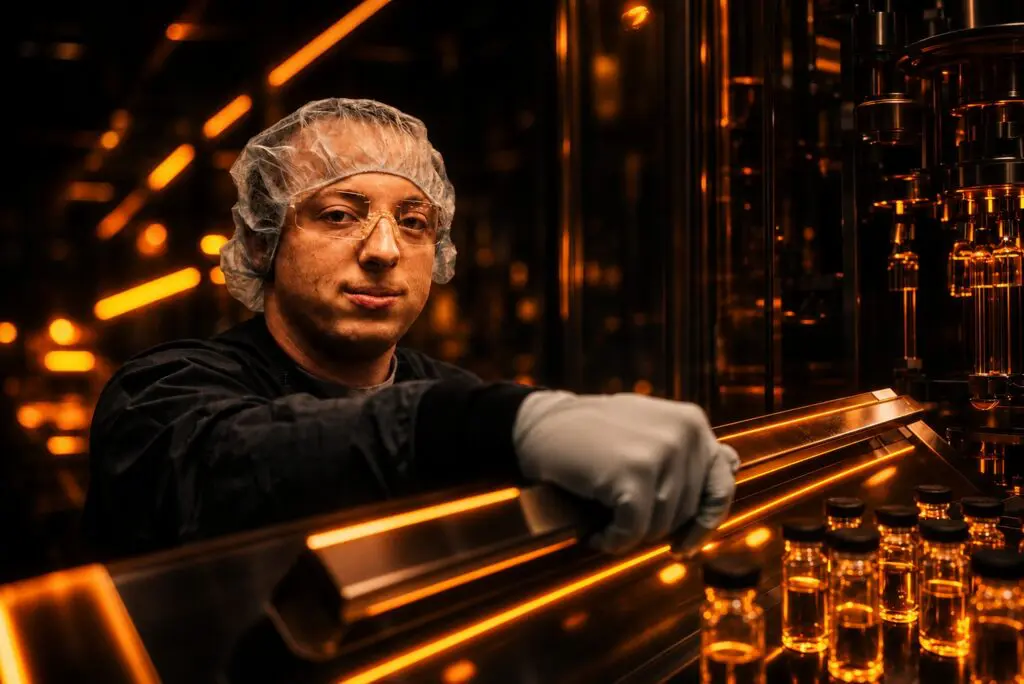
The Bridgeton facility features four high-speed filling lines designed to handle syringes, cartridges and vials. These lines are equipped with advanced isolator technology, automation and unidirectional flow to ensure accuracy, efficiency and the highest levels of sterility.
The Bridgeton site features a high-performance Groninger aseptic filling line for vial filling, capable of producing 20-40 million units per annum and filling 400 parts per minute. It accommodates vial sizes ranging from 2 to 100 mL and fill volumes as low as 1 mL, supporting both clinical and commercial-scale manufacturing. The system is designed for flexibility and sterility, using a bulk glass process alongside ready-to-use (RTU) closing components, with future support for nested vial formats. An inert environment protects sensitive molecules, while advanced robotics and an eight-head filling system ensure accuracy with minimal human intervention. The line includes on-line crimping inspection and re-stoppering capabilities, with real-time capture of critical process data via statistical process control (SPC).
Syringe filling
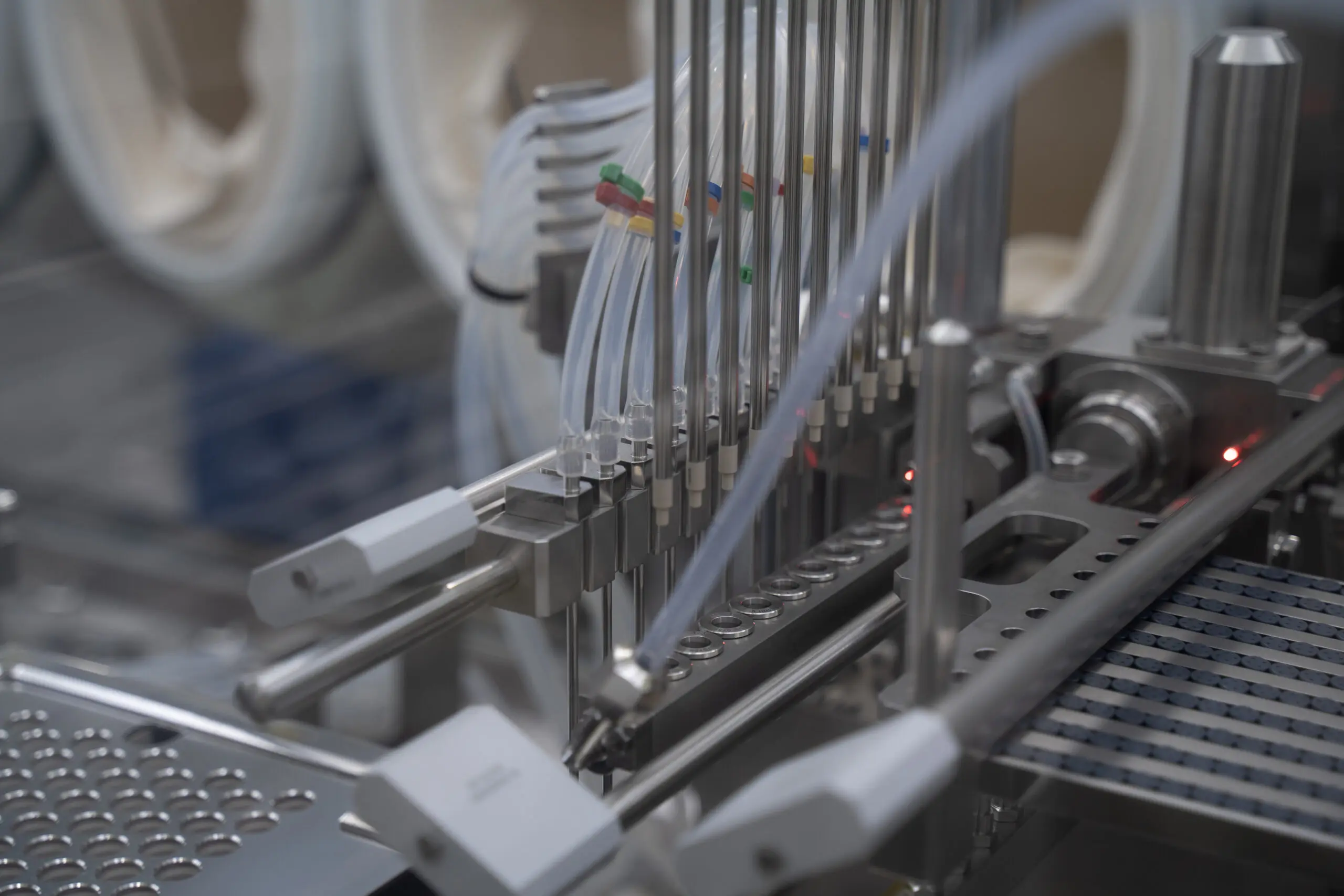
Kindeva’s Bridgeton facility has invested in Optima syringe filling technology to meet the demand for prefilled syringes, especially for low-volume fills or specialized components. The line can fill 80-100 million units per annum at a rate of up to 300 parts per minute. It handles RTU syringe sizes ranging from 1 to 50 mL at a commercial scale, with fill volumes as low as 0.1 mL, supporting precise and sensitive injectable formulations. The line is capable of handling pre-sterilized glass syringes and rubber stoppers in nested formats with a 10-head filling system. An inert environment protects sensitive products. For quality control, the line features 100% in-process control (IPC) of fill weight and plunger height at the start and end of each batch, with spot checks throughout to ensure dose accuracy. Real-time SPC-enabled data capture and online camera monitoring provide end-to-end visibility and confidence in compliance. A distinctive feature is the integration of on-line automated Pre-Use Post Sterilization Integrity Testing (PUPSIT), which enables integrity testing of sterilizing filters and assemblies before use, reducing the risk of post-use failure.
Cartridge filling
Kindeva’s Syntegon filler at Bridgeton represents a strategic investment in integrated, end-to-end cartridge processing, thanks to:
- Capacity and flexibility
This line has a high capacity of 20-40 million units per annum. It offers flexible fill volumes as low as 0.2 mL, supporting a wide range of sterile products, including biologics and suspensions that require micro-dosing. - Speed and accuracy
Featuring an 18-head filling system, the line operates at a rate of 300 parts per minute, offering both speed and accuracy on a commercial scale. - Streamlined pre-fill processes
It includes integrated depyrogenation, washing and siliconization, which streamline key pre-fill processes and minimize the risk of contamination. It handles bulk cartridges along with RTU closing components. - Product protection and quality control
An inert filling environment protects oxygen-sensitive products from degradation. The line provides 100% IPC for volumetric fill checks, ensuring dose consistency throughout each batch. Real-time SPC-enabled data capture and process cameras provide digital quality oversight. - Future expansion potential
The line is being equipped for bead insertion to support suspension-based therapies, further expanding Bridgeton’s capabilities.
Continuous investment
Kindeva proactively invests in cutting-edge technologies for Bridgeton to consistently exceed the highest quality standards in the manufacture of injectable products. Compounding, sterilization and fill operations are conducted within an advanced isolator system, providing a closed, controlled environment that enhances end-to-end capabilities. These aseptic processing lines are engineered for maximum sterility and full compliance with both CFR and Annex 1 regulations. Each isolator features rapid decontamination cycles (≤1 hour) using hydrogen peroxide, enabling faster turnaround between batches and maximizing operational efficiency. Integrated automated glove integrity testing and a multistep HVAC filtration system further enhance environmental control, supporting a robust contamination control strategy that meets stringent global regulatory standards.
Kindeva’s Bridgeton facility is designed to address the complexities of today’s sterile injectable programs, including stricter regulatory requirements, fragmented supply chains and the pressure to scale efficiently from clinical to commercial settings. It delivers a unified platform that reduces risk, streamlines tech transfer and accelerates time to market, providing a purpose-built solution.
Reference
1. Sterile Injectables Market Analysis & Forecast 2025-2032, Coherent Market Insight
Related resources
Explore our other resources to discover valuable insights on the latest trends in drug delivery.
What’s behind the decisions shaping successful fill finish programs?
Advanced equipment and available cleanroom capacity are important considerations when choosing a sterile fill finish CDMO partner, but they only form part of the decision. As a drug program nears cGMP manufacturing, careful consideration of technical, quality, and operational readiness is essential, as it shapes how confidently a program can progress. These considerations take place […]
Learn More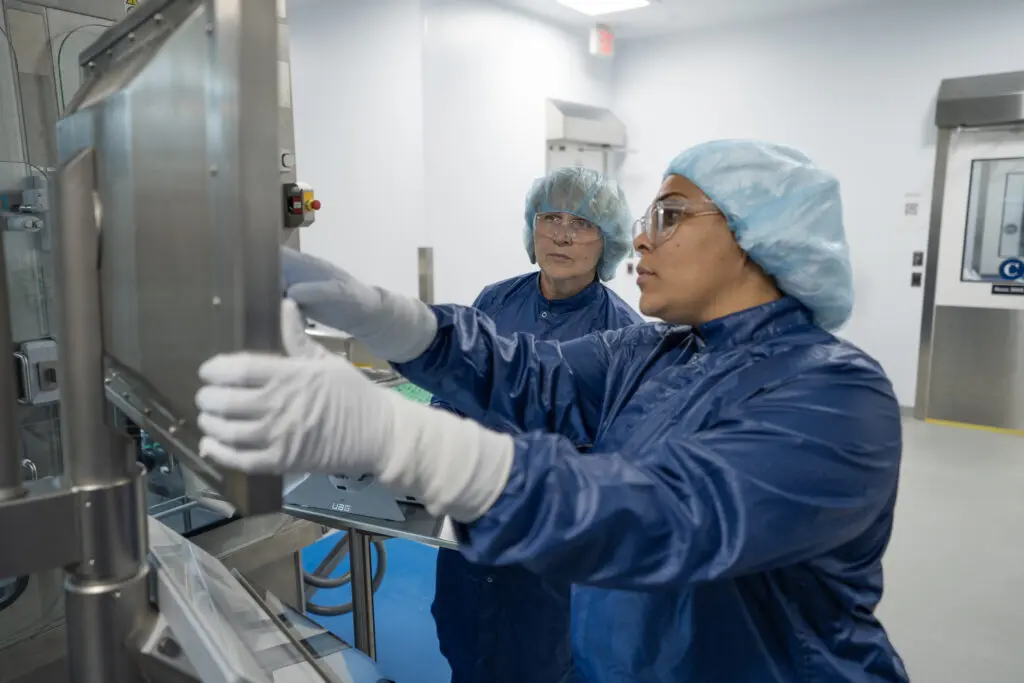
Building sterile injectable manufacturing capacity for growing GLP-1 demand
Glucagon-like peptide-1 (GLP-1) receptor agonists are being prescribed more frequently, increasing pressure on sterile injectable manufacturing networks. To effectively serve expanding patient populations, developers must increase output while maintaining product quality and regulatory compliance without disrupting the supply of other therapies. Meeting the growing GLP-1 demand requires manufacturing models that can manage high-volume programs alongside […]
Learn More
Meeting the challenges of fill finish manufacturing
How flexible infrastructure and early manufacturing expertise can help drug developers respond to changing demand With rising demand for glucagon-like peptide-1 (GLP-1) medicines, continued progress in biologics and the expansion of self-administered treatments, new expectations are being placed on sterile fill finish operations. Manufacturers must accommodate different container formats and production volumes while maintaining consistent […]
Learn More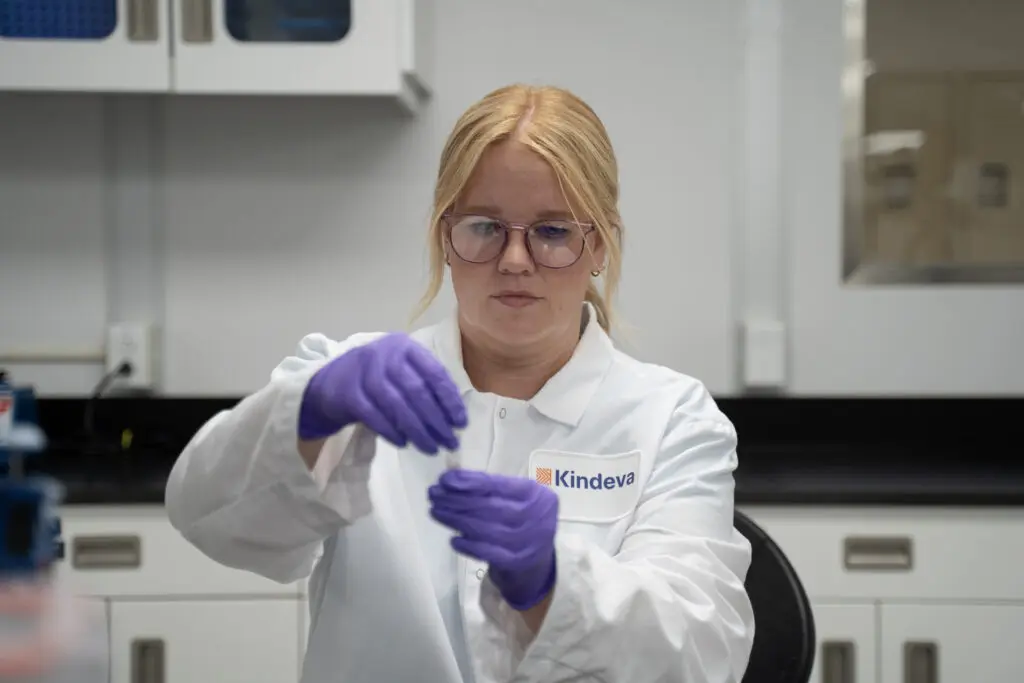
Can one quality system manage complexity across multiple drug delivery platforms?
As drug development portfolios expand across multiple delivery platforms, increasing complexity places quality systems under greater strain. For sponsors considering a CDMO, it is essential to know that the Quality Management System (QMS) can provide consistency while allowing teams to respond appropriately to the requirements of each product. A harmonized QMS can provide that framework […]
Learn More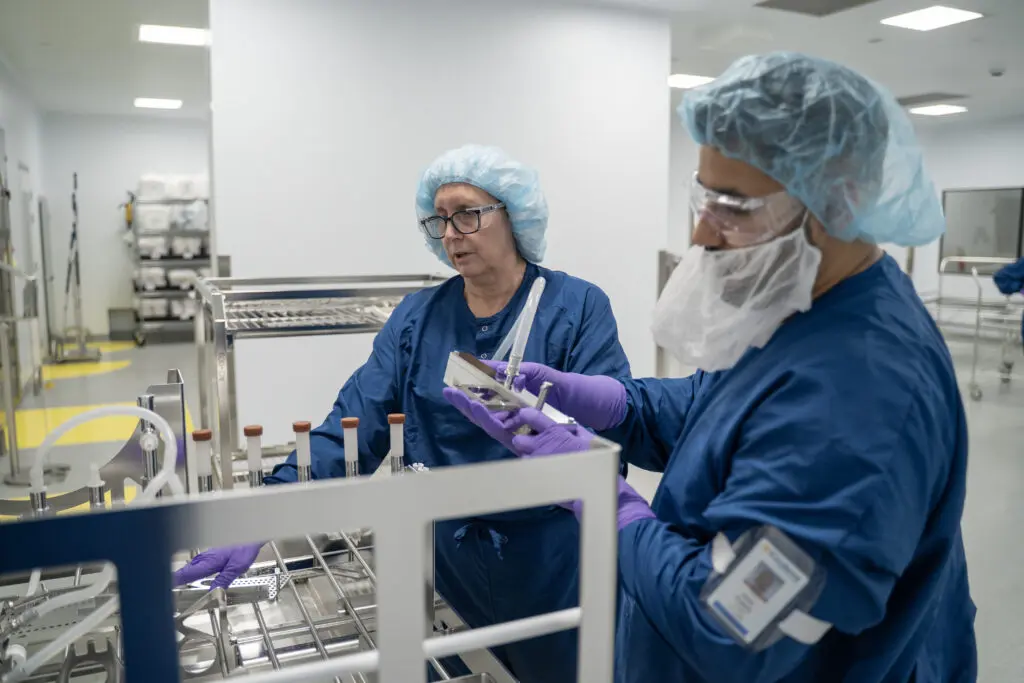
Parenteral precision: Upstream formulation handling before sterile fill finish
Parenteral precision is a blog series exploring the controls, technologies and design decisions that shape modern parenteral manufacturing. Each article looks at one capability through a practical lens: what it is, how it works, who it supports and why it matters. In our first blog, we explored how sterile fill finish operations are designed around […]
Learn More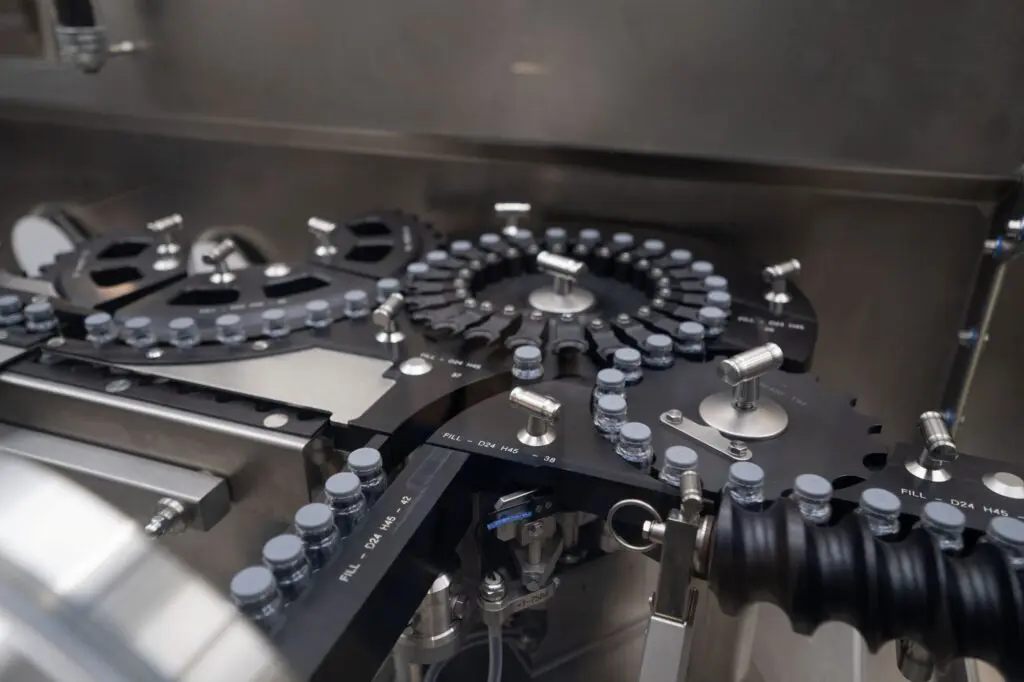
Delivering tomorrow’s injectables, today
Injectable therapies are entering a new phase of complexity. Biologics, personalized medicines and combination products are increasing demand for delivery systems that must adapt to more diverse formats and patient needs. Expectations around speed and compliance also continue to rise across the development lifecycle, placing greater pressure on how these systems are designed and scaled. […]
Learn More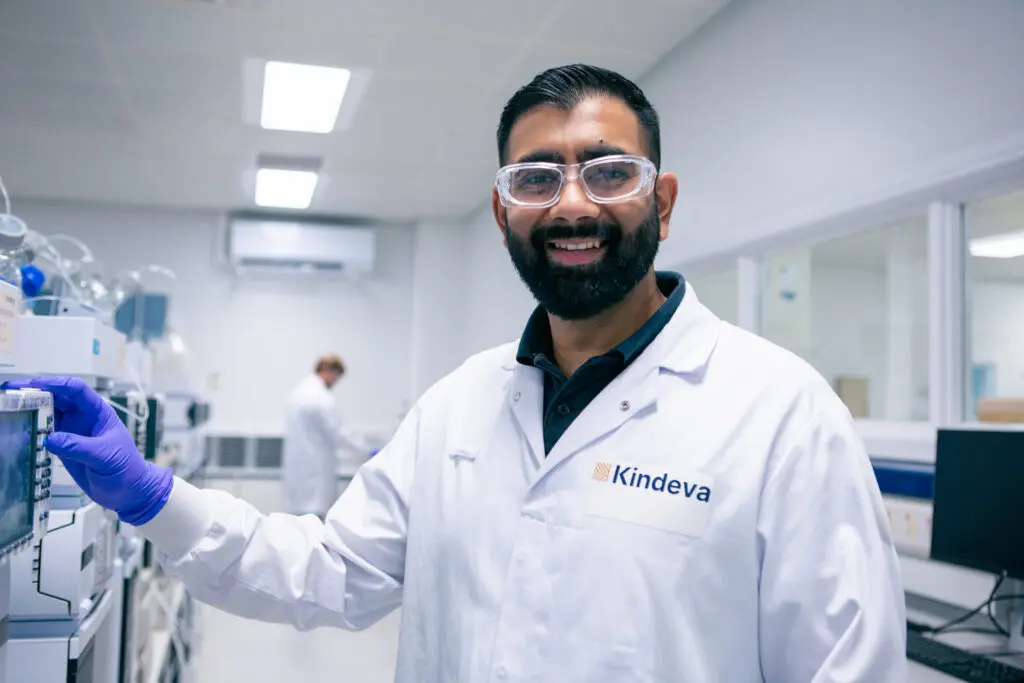
Green propellants and the future of metered dose inhalers
The transition to next-generation propellants (NGPs) with low global warming potential (GWP) is redefining what success looks like for pressurized metered dose inhalers (MDIs). As sustainability targets tighten, developers must rethink how inhaled therapies are formulated, tested and manufactured without compromising performance. Reformulating with NGPs affects not only the drug product but also its interaction […]
Learn More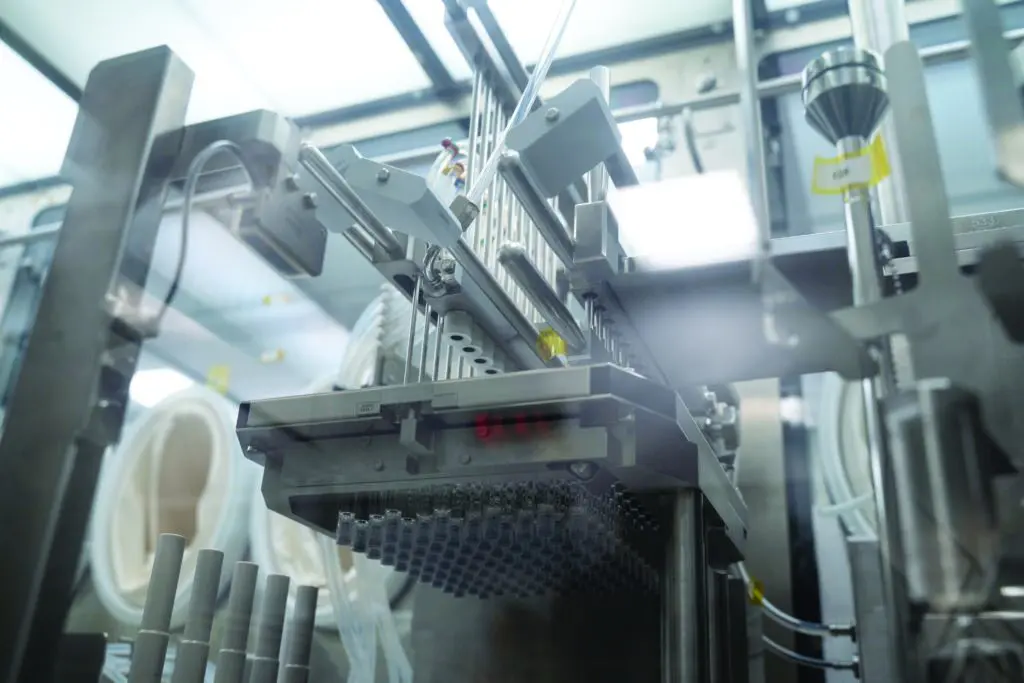
Q&A: Navigating tech transfer and production pitfalls
Successful tech transfer alignment requires robust risk management and precise operational planning. When communication gaps or unforeseen supply chain hurdles emerge, project timelines and product quality are often the first to be affected. In this Q&A, we explore the common pitfalls of pharmaceutical tech transfers, including how to protect critical milestones without compromising safety and […]
Learn More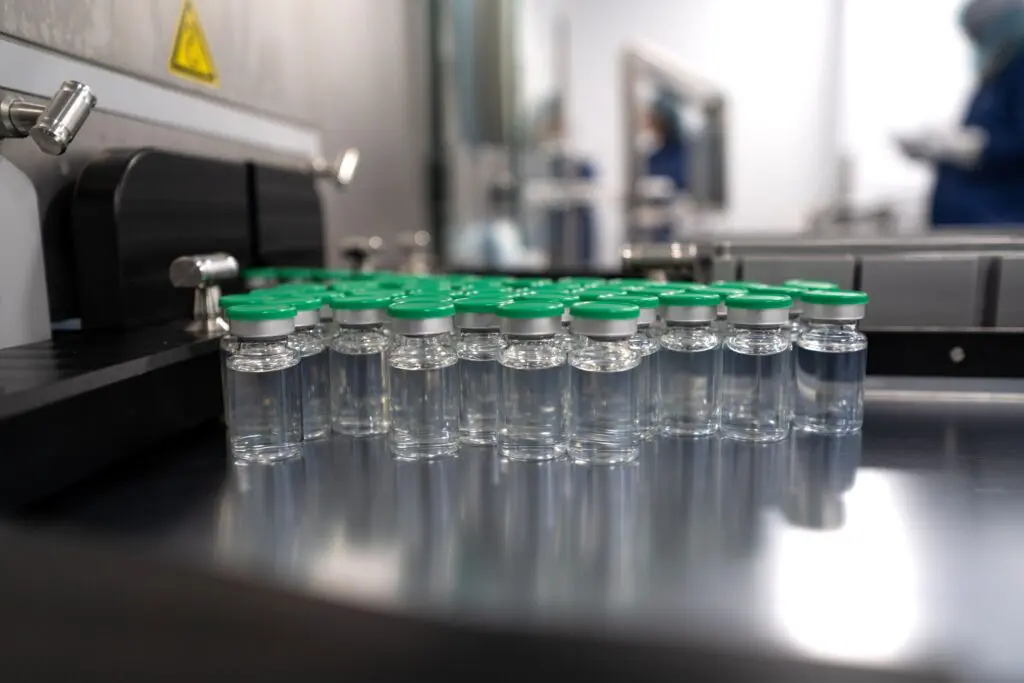
Webinar | Beyond the filling suite: How modular facility design supports sterile manufacturing success
Sterile manufacturing requirements are fast evolving, which means that many organizations are reassessing whether their legacy facilities can support future operational and regulatory demands. In this webinar, John Wichelt, Vice President and General Manager at Kindeva’s Bridgeton site, explores what a modern sterile fill finish facility needs to look like in this new era. Drawing […]
Learn MoreLet’s transform tomorrow together
Every patient deserves a brighter tomorrow. As your strategic partner, we are dedicated to building your lasting legacy and helping you fast-track healthier tomorrows. You dream it, we deliver it.