


Home / Knowledge hub /
Parenteral precision: Annex 1-ready sterile fill finish by design
May 7, 2026
Parenteral precision is a blog series exploring the controls, technologies and design decisions that shape modern parenteral manufacturing. Each article looks at one capability through a practical lens: what it is, how it works, who it supports and why it matters.
This first blog focuses on Annex 1-ready sterile fill finish. As the European Union Good Manufacturing Practice (EU GMP) Annex 1 raises expectations for contamination control, sterile manufacturing must be designed around prevention from the start. That means integrating isolator technology, automation, environmental monitoring and data oversight into a controlled system that protects product integrity from clinical supply through commercial scale.
What is Annex 1-ready sterile fill finish?
EU GMP Annex 1 is the primary regulatory guideline for the manufacture of sterile medicinal products. In sterile fill finish, Annex 1 principles apply across facility design, equipment selection, process flow and quality oversight. The goal is to minimize opportunities for microbial, particulate or pyrogen contamination during the final stages of drug product manufacturing, when the product is filled into vials, syringes or cartridges and prepared for patient use [1].
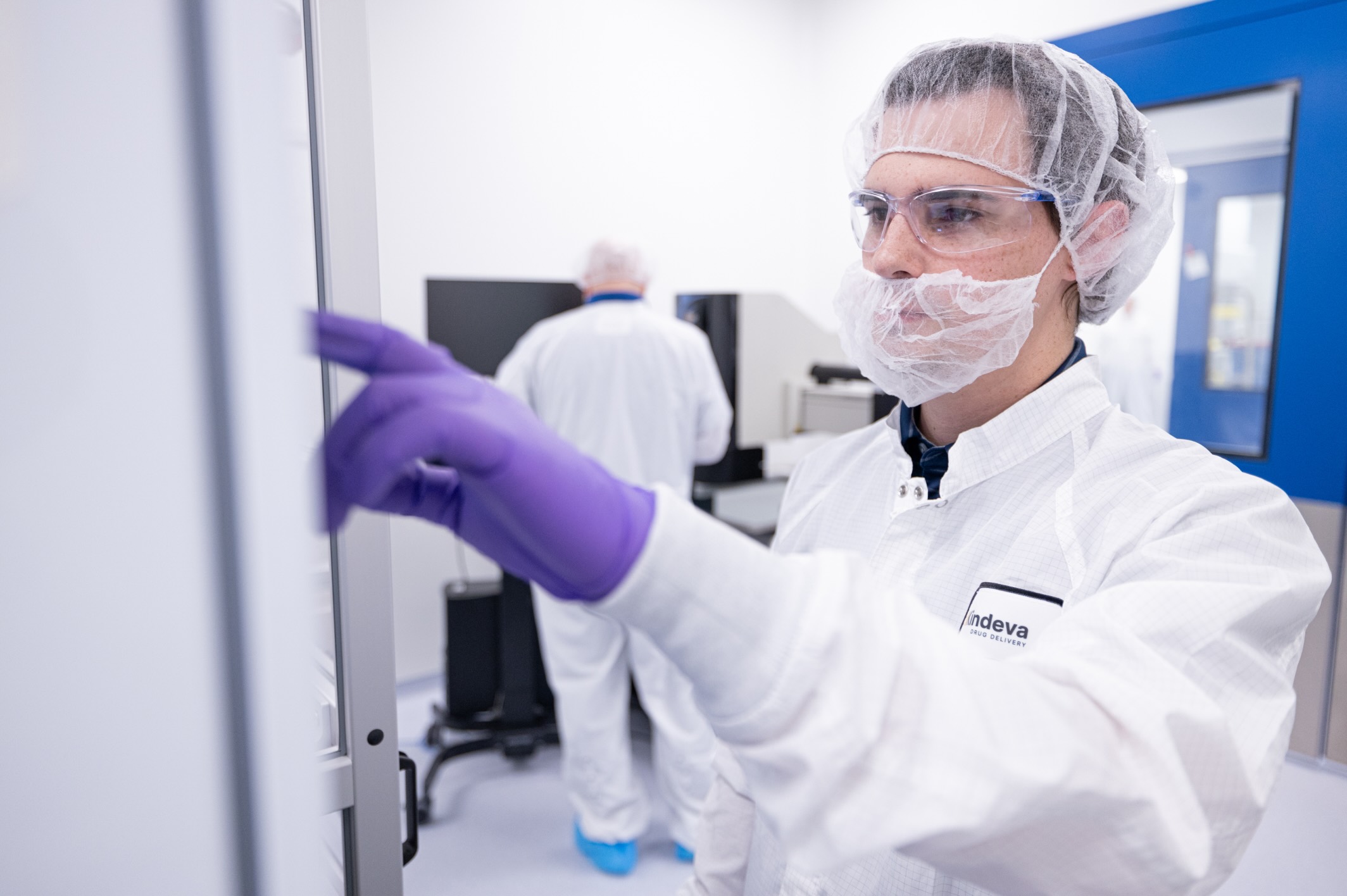
An Annex 1-ready approach relies on system-level control rather than procedural control alone. Procedures remain essential, but they are strongest when supported by engineering decisions that reduce the need for human intervention. Advanced isolator systems, automated in-process checks and controlled environmental flows help create a closed, repeatable aseptic environment where precision is built into routine execution.
A contamination control strategy (CCS) should also function as a living operational framework. It must use risk assessment, environmental monitoring, aseptic process simulations and deviation management to identify where controls need to be maintained or strengthened. As products scale or processes change, the strategy should be reassessed so control measures remain aligned with the current manufacturing reality.
How does Annex 1-ready sterile fill finish work?
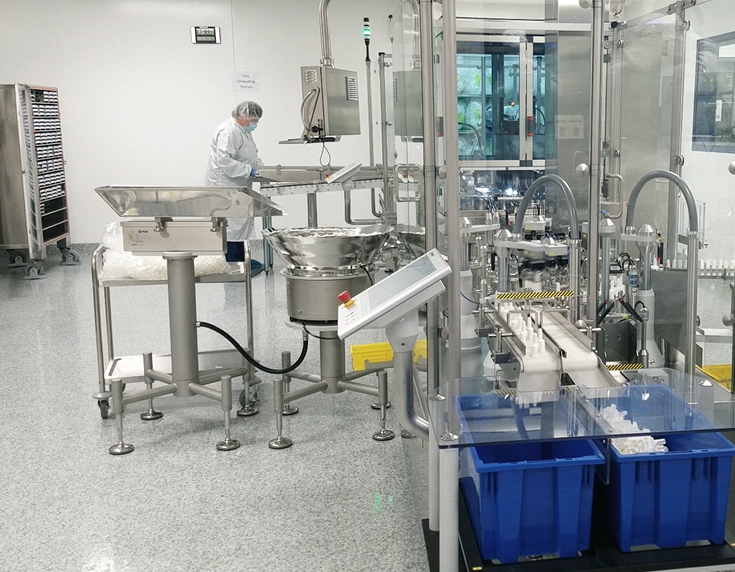
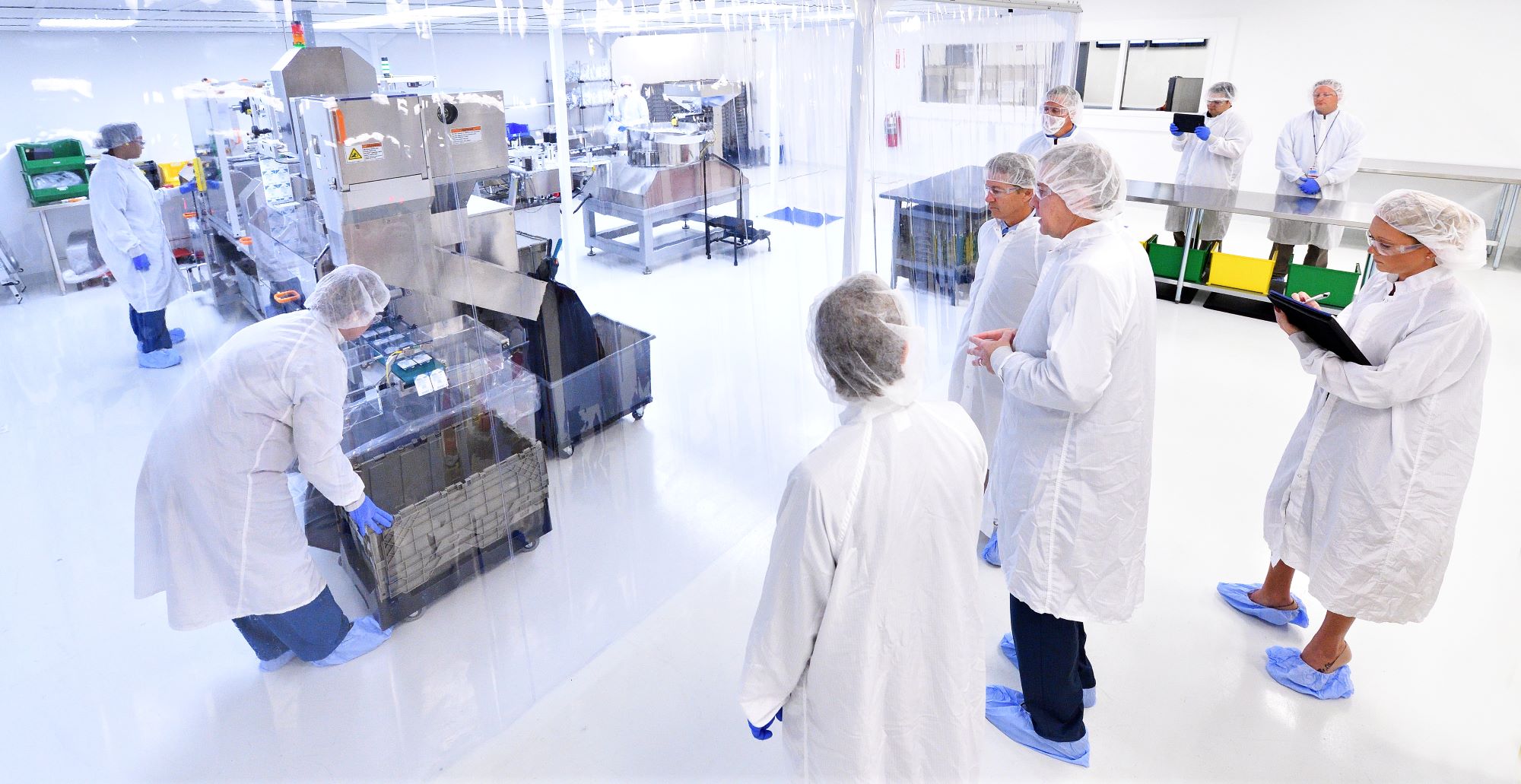
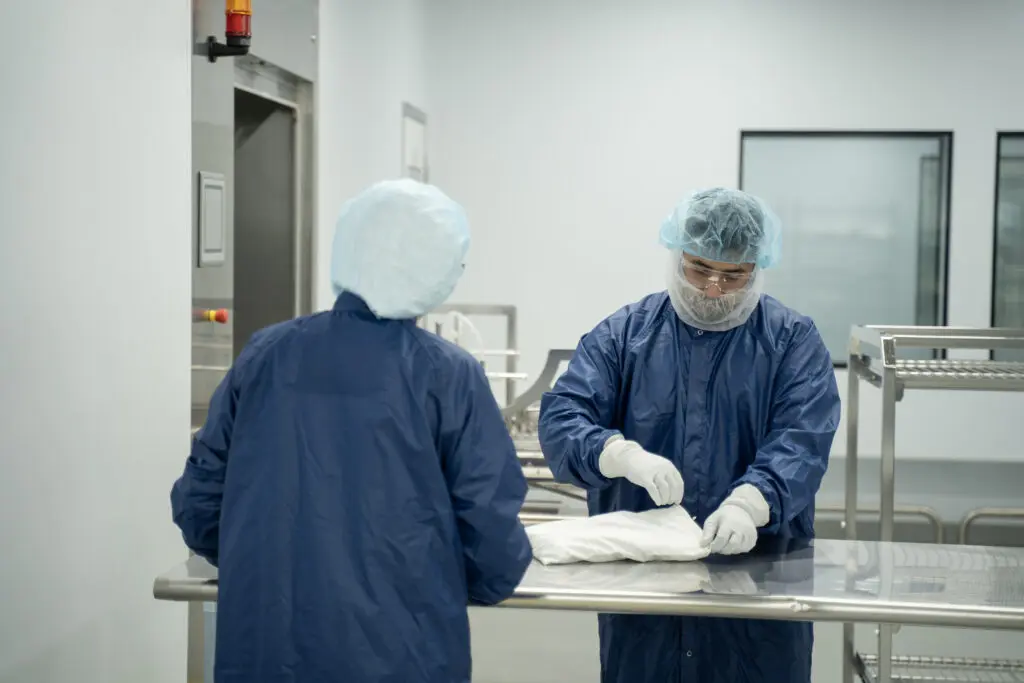
Annex 1 requires facilities and process design to control contamination risk through defined separation and airflow. Aseptic processing areas should be structured to maintain appropriate separation between personnel, product contact components and the sterile drug product. Unidirectional flow supports controlled movement of materials and product through the process, while heating, ventilation and air conditioning systems help maintain classified environments.
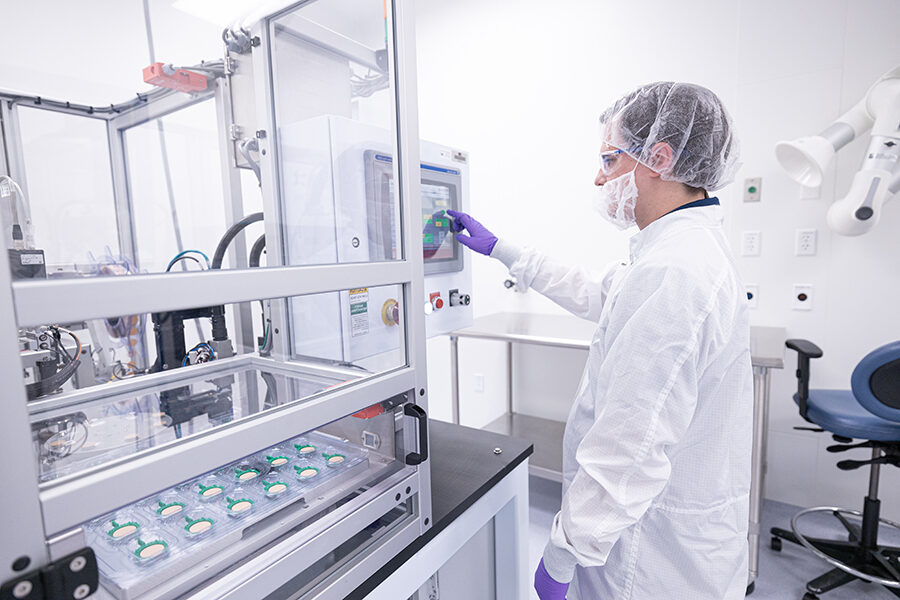
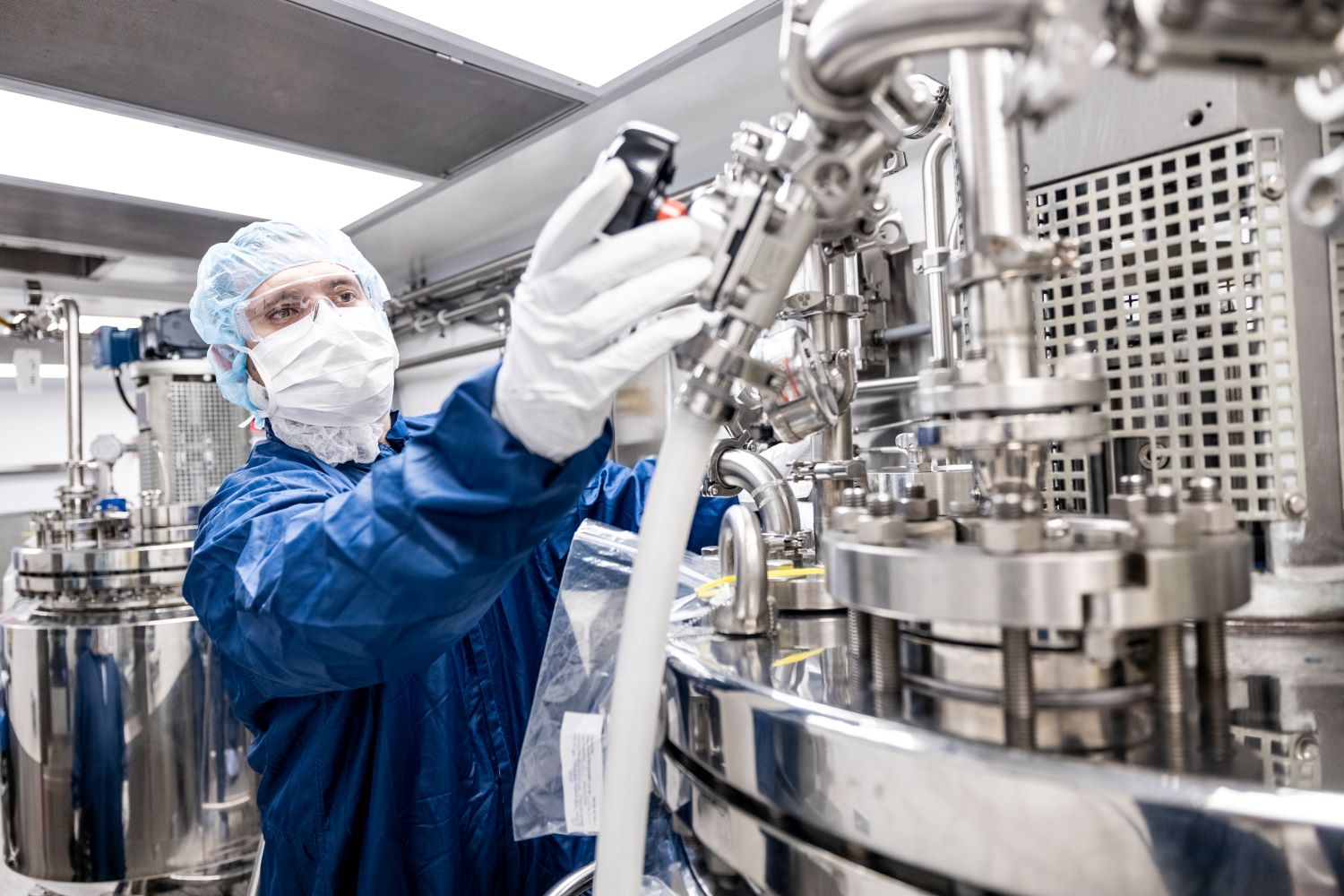
Isolator technology is a core component of this model, creating a physical barrier between operators and the aseptic processing zone to reduce direct human interaction with sterile products and components. Rapid hydrogen peroxide decontamination cycles of one hour or less, automated glove integrity testing and multistep HVAC filtration further strengthen environmental control.
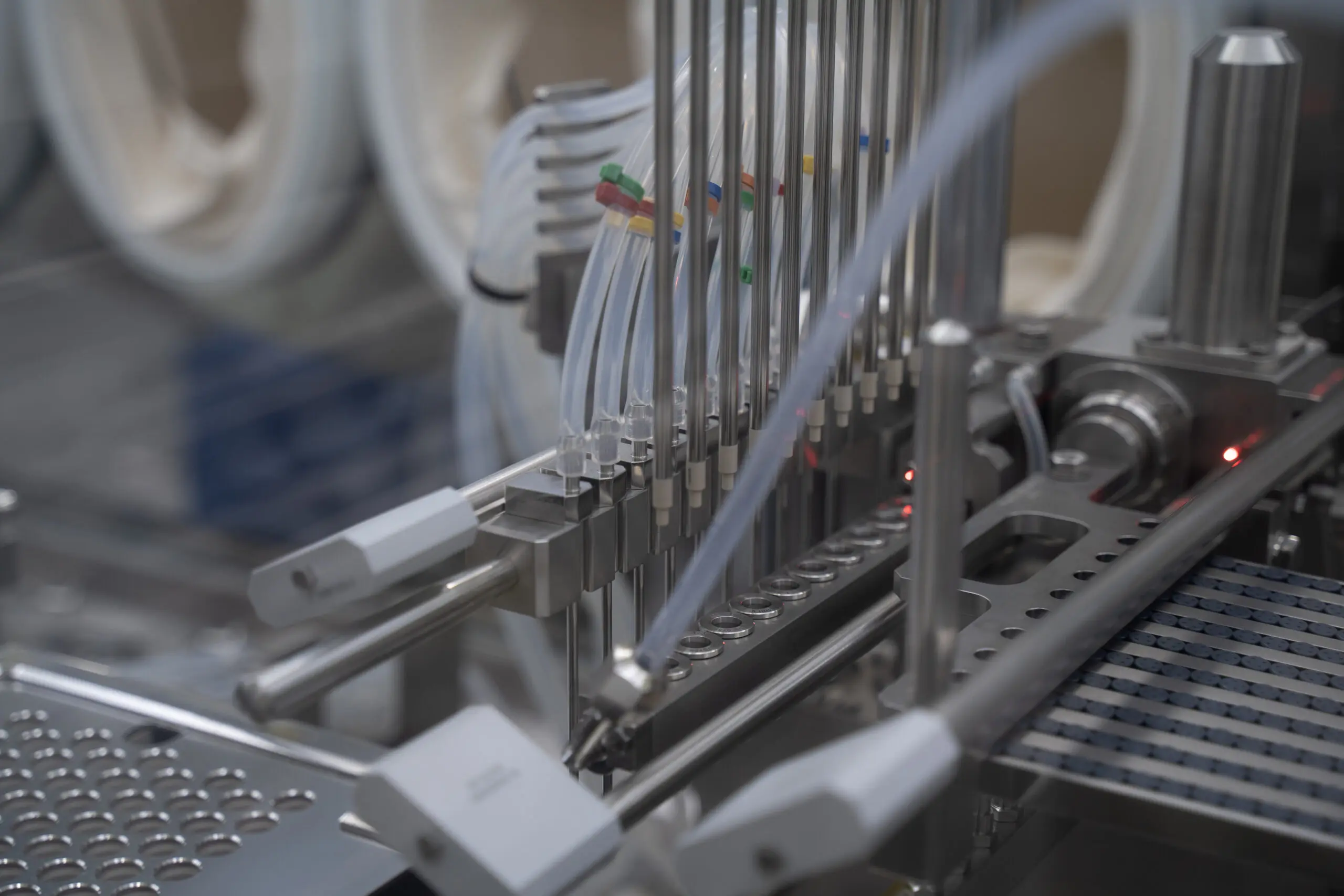
Within that controlled environment, automated filling, stoppering, crimping, plunger placement and inspection reduce manual handling at points where operator intervention can introduce variability. Real-time statistical process control, camera-based monitoring and 100% in-process checks at defined process points provide immediate visibility into fill weight, plunger height or volumetric accuracy.
Environmental monitoring and digital batch oversight complete the control model. Data from manufacturing execution, quality systems and environmental monitoring should be trended and reviewed to identify signals early. This supports documented decision-making, strengthens inspection readiness and gives sterile injectable developers greater confidence that sterility assurance is being managed as an active discipline.
Who is Annex 1-ready sterile fill finish for?
Annex 1-ready sterile fill finish strategies are essential for parenteral programs across clinical development, late-stage validation and commercial supply.
- Early-stage programs: Establish contamination control before scale-up decisions are locked, reducing rework later and helping align clinical agility with future commercial requirements.
- Late-stage and process performance qualification (PPQ) programs: Demonstrate documentation clarity and reproducible execution as the manufacturing process prepares for regulatory review.
- Commercial programs: Maintain sustained control at volume while managing different formulation, containment or handling requirements across product types.
What are the benefits of design-based sterility?
When treated as an operating model, sterile injectable developers gain a clearer view of how sterility assurance is built into the facility, verified during routine production and supported by documented evidence over time.
Aligning contamination controls, batch documentation and monitoring trends before validation or inspection can reduce avoidable disruption at key program milestones and help teams answer regulatory questions without late-stage remediation.
Annex 1-ready design also supports controlled change as programs evolve. When presentation, volume or process conditions change, the CCS should be reassessed so facility controls, monitoring plans and documentation remain aligned with the updated manufacturing process.
For patients, that operational resilience supports reliable access to sterile medicines that meet quality expectations, batch after batch.
Building the future of parenteral care
Integrating Annex 1 principles into sterile processing design enables resilient manufacturing. This proactive approach to contamination control protects both the product and the patient.
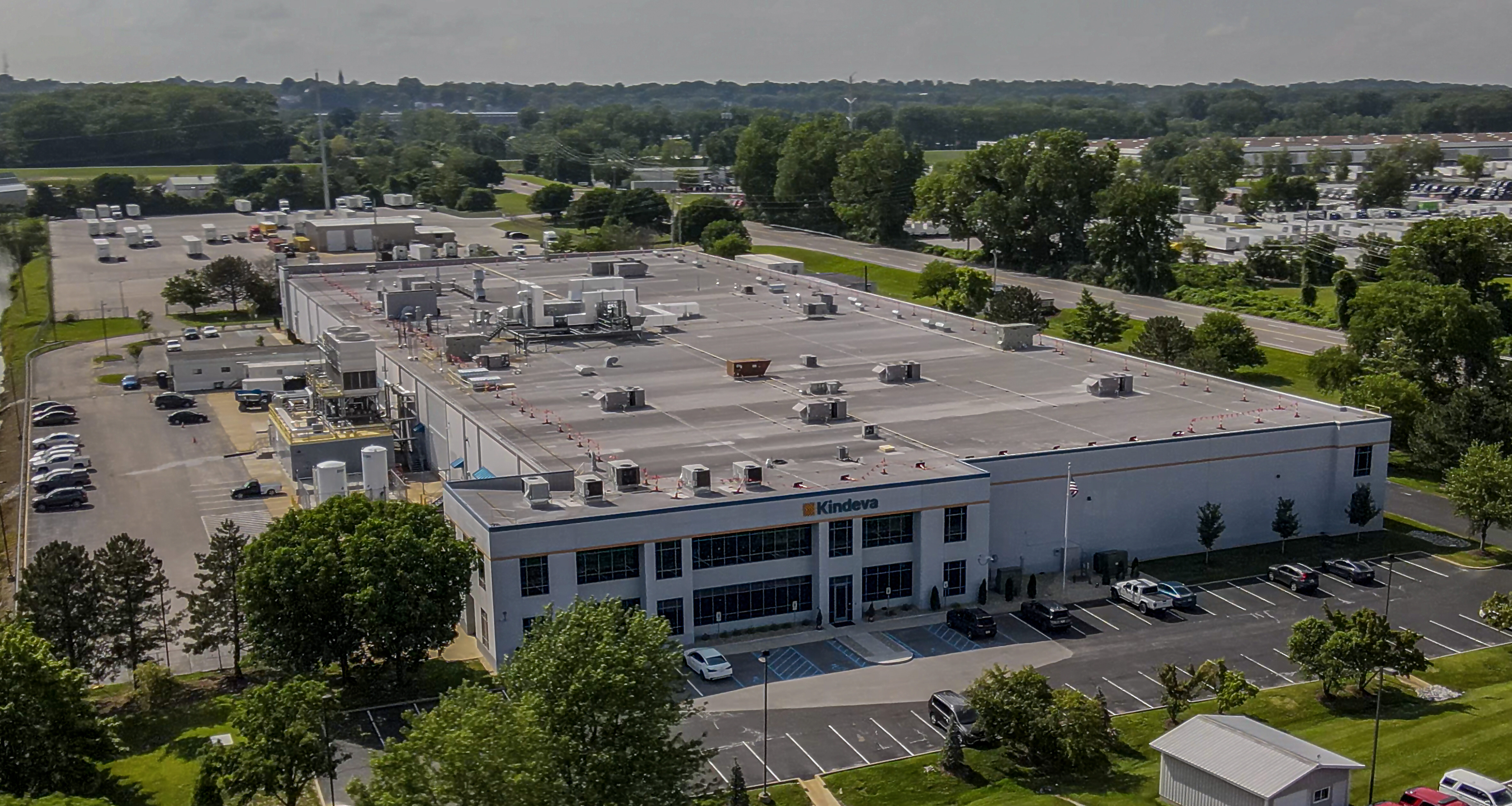
Kindeva provides the technical infrastructure and disciplined frameworks needed to meet these complex global expectations at our Bridgeton site. Purpose-built for precision manufacturing, the facility reflects a significant, long-term investment in advancing sterile drug delivery and maintaining audit readiness, ensuring every dose meets the highest standards of quality.
For the next blog in the series, we will look at the formulation handling steps that take place before filling, including how controlled preparation, holding and transfer can help protect product quality, batch consistency and downstream fill finish performance.
References
- “Guidelines: The Rules governing Medicinal products in the European Union Volume 4 EU Guidelines for Good Manufacturing Practice for Medicinal products for human and veterinary use.” European Commission, 2022. https://www.gmp-compliance.org/files/guidemgr/20220825_gmp-an1_en_0.pdf
Related resources
Explore our other resources to discover valuable insights on the latest trends in drug delivery.

Turning media fill data into stronger aseptic control in an Annex 1 era
Media fills provide an important demonstration of aseptic process performance, as the information gathered during a simulation gives manufacturers a stronger understanding of how the process behaves over time. As companies must now translate their media fill processes to meet Annex 1 expectations, the way this information is reviewed can provide valuable insight into aseptic […]
Learn More
Rethinking media fill strategy in the Annex 1 era
Media fills play a central role in aseptic process validation, providing a practical demonstration that a manufacturing process can be carried out without introducing microbial contamination. However, under the revised EU GMP Annex 1 guidance, the focus has shifted, and an acceptable final incubation result is no longer sufficient on its own. Now, media fills […]
Learn More
What’s behind the decisions shaping successful fill finish programs?
Advanced equipment and available cleanroom capacity are important considerations when choosing a sterile fill finish CDMO partner, but they only form part of the decision. As a drug program nears cGMP manufacturing, careful consideration of technical, quality, and operational readiness is essential, as it shapes how confidently a program can progress. These considerations take place […]
Learn More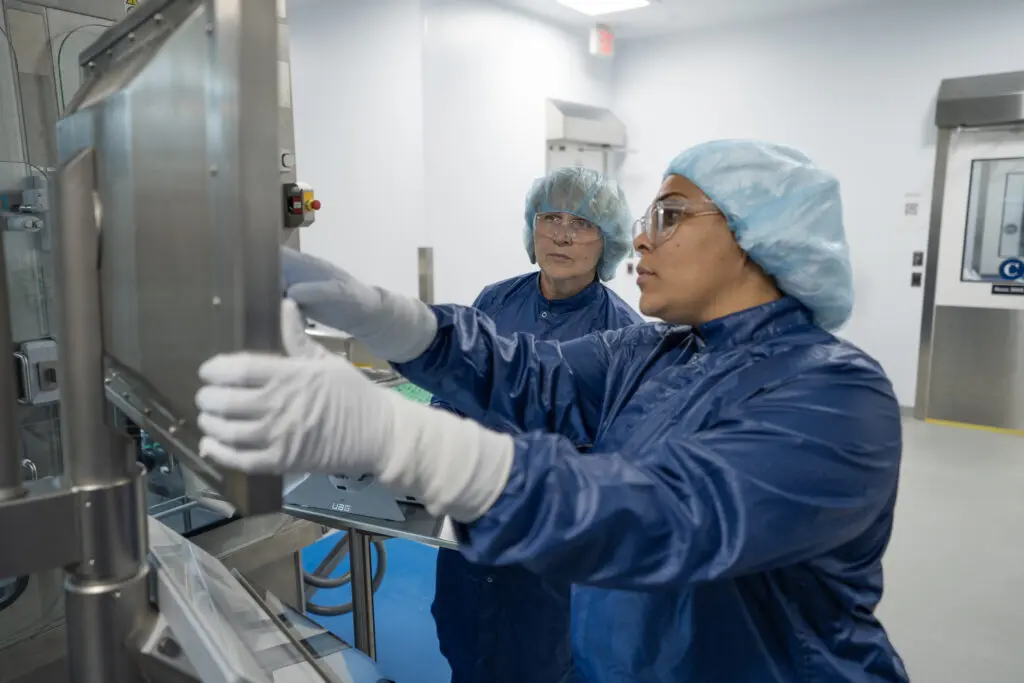
Building sterile injectable manufacturing capacity for growing GLP-1 demand
Glucagon-like peptide-1 (GLP-1) receptor agonists are being prescribed more frequently, increasing pressure on sterile injectable manufacturing networks. To effectively serve expanding patient populations, developers must increase output while maintaining product quality and regulatory compliance without disrupting the supply of other therapies. Meeting the growing GLP-1 demand requires manufacturing models that can manage high-volume programs alongside […]
Learn More
Meeting the challenges of fill finish manufacturing
How flexible infrastructure and early manufacturing expertise can help drug developers respond to changing demand With rising demand for glucagon-like peptide-1 (GLP-1) medicines, continued progress in biologics and the expansion of self-administered treatments, new expectations are being placed on sterile fill finish operations. Manufacturers must accommodate different container formats and production volumes while maintaining consistent […]
Learn More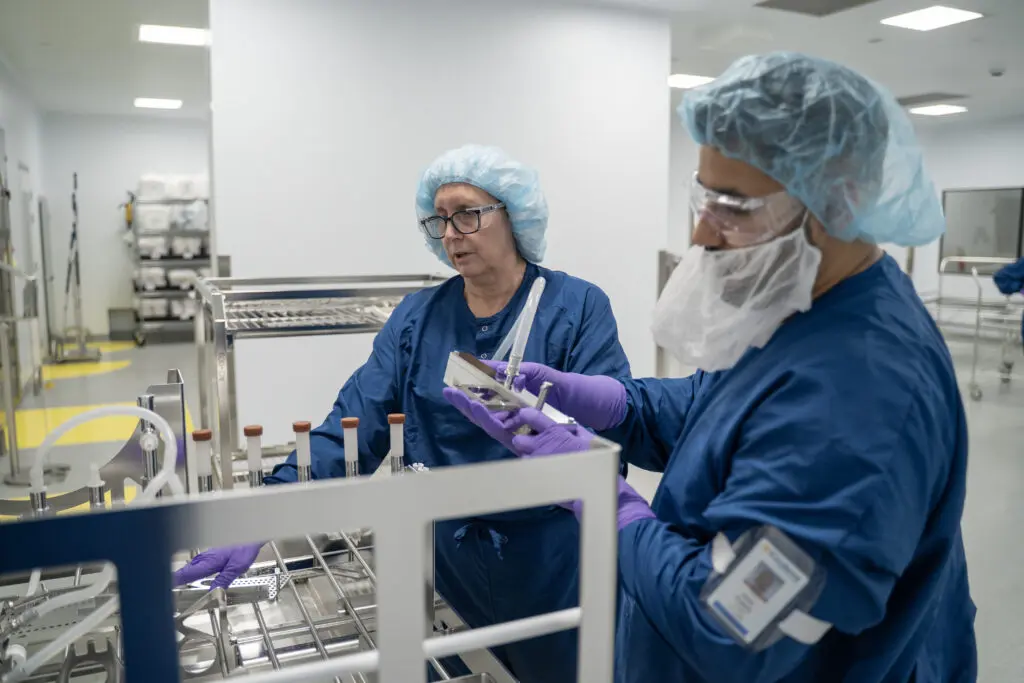
Parenteral precision: Upstream formulation handling before sterile fill finish
Parenteral precision is a blog series exploring the controls, technologies and design decisions that shape modern parenteral manufacturing. Each article looks at one capability through a practical lens: what it is, how it works, who it supports and why it matters. In our first blog, we explored how sterile fill finish operations are designed around […]
Learn More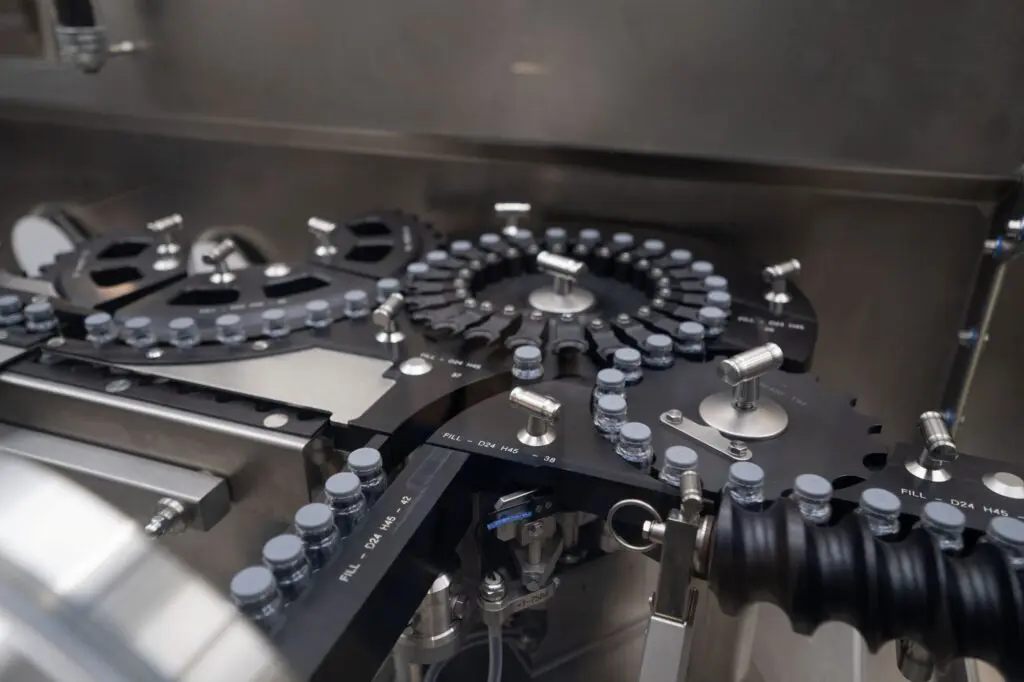
Delivering tomorrow’s injectables, today
Injectable therapies are entering a new phase of complexity. Biologics, personalized medicines and combination products are increasing demand for delivery systems that must adapt to more diverse formats and patient needs. Expectations around speed and compliance also continue to rise across the development lifecycle, placing greater pressure on how these systems are designed and scaled. […]
Learn More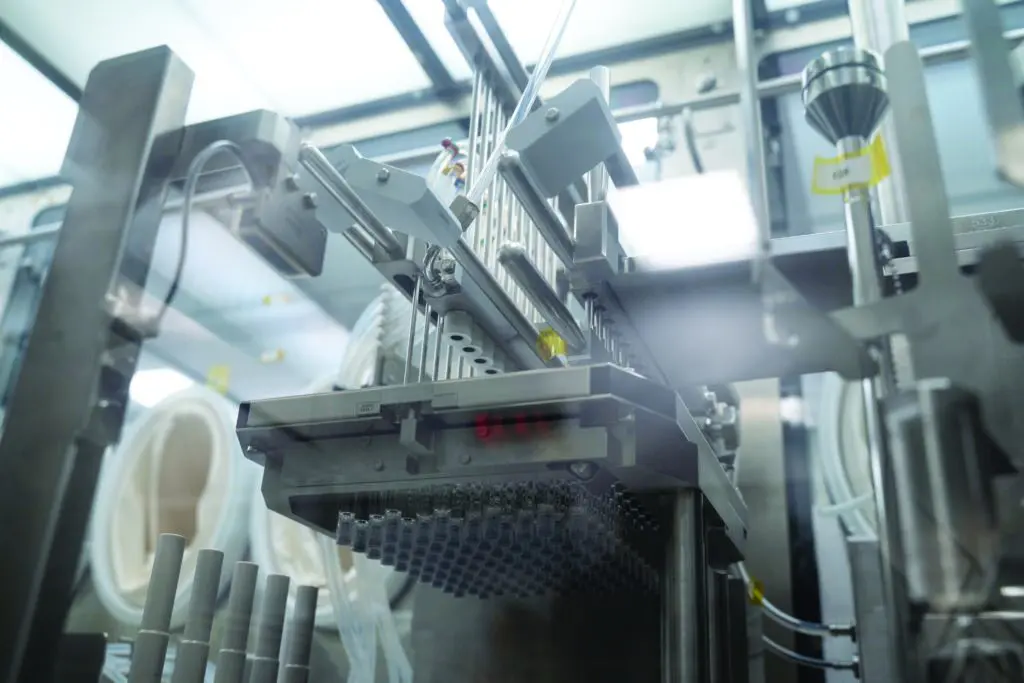
Q&A: Navigating tech transfer and production pitfalls
Successful tech transfer alignment requires robust risk management and precise operational planning. When communication gaps or unforeseen supply chain hurdles emerge, project timelines and product quality are often the first to be affected. In this Q&A, we explore the common pitfalls of pharmaceutical tech transfers, including how to protect critical milestones without compromising safety and […]
Learn More
Webinar | Beyond the filling suite: How modular facility design supports sterile manufacturing success
Sterile manufacturing requirements are fast evolving, which means that many organizations are reassessing whether their legacy facilities can support future operational and regulatory demands. In this webinar, John Wichelt, Vice President and General Manager at Kindeva’s Bridgeton site, explores what a modern sterile fill finish facility needs to look like in this new era. Drawing […]
Learn MoreLet’s transform tomorrow together
Every patient deserves a brighter tomorrow. As your strategic partner, we are dedicated to building your lasting legacy and helping you fast-track healthier tomorrows. You dream it, we deliver it.