











Home / Knowledge hub /
Eliminating the syringe with inhaled and microneedle vaccine delivery systems
August 29, 2024
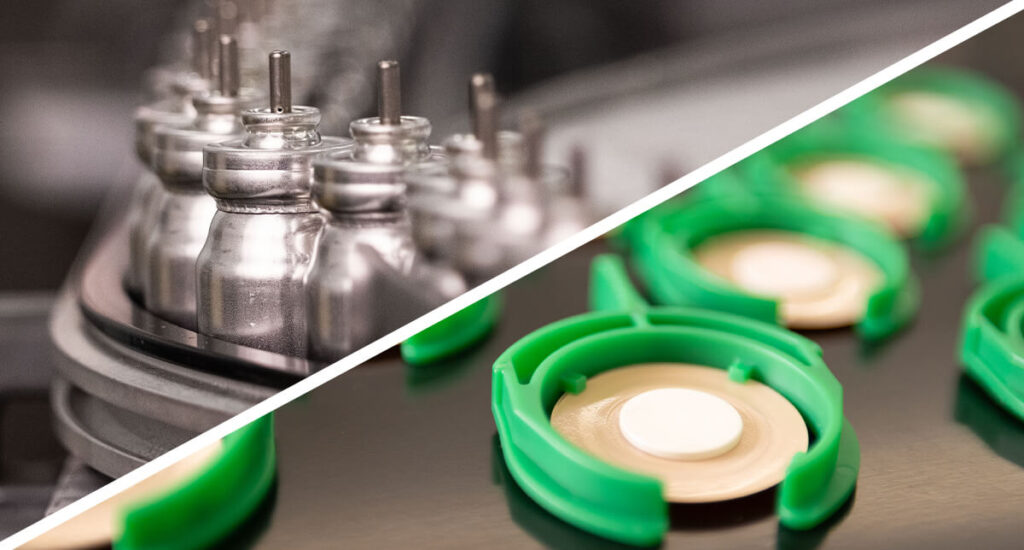
Interest in inhaled and intradermal vaccine delivery systems isn’t just a modern innovation — one of history’s most effective vaccination campaigns also used mucosal or dermal delivery. In 1777, George Washington mandated smallpox inoculation for his troops using either arm scratches (intradermal) or nasal inhalation (mucosal), a strategy that proved crucial in the American victory.1 Continued evolutions in the vaccine landscape has led to the current shift in focus toward non- injection routes. This article addresses common questions about inhaled and microneedle vaccine delivery, exploring how they might shape the future of immunization.
General questions about epithelial vaccine delivery
What is the current landscape of vaccine development?
The vaccine market is currently dominated by intramuscular (IM) injections, despite the fact that most pathogens enter the body through the respiratory system. As of December 2023, 94% of FDA-approved vaccines are delivered by IM injection, targeting 32 pathogens, with 63% of these transmitted through the respiratory system.2 The global vaccine market is projected to reach $57 billion in 2024, with a compound annual growth rate of 5.36% expected through 2028.3 Interestingly, when excluding COVID vaccines, the growth rate jumps to 9.23%, indicating strong development in other areas.3
Why are non-IM routes becoming more popular?
Non-IM routes have the potential to provide numerous advantages, including being needle-free, greater efficacy, higher bioavailability, room temperature stability, and the ability to use lower doses, which can lead to reduced side effects and lower healthcare costs.4,5 Additionally, some of these delivery systems enable self-administration, making vaccination more accessible, less expensive, and more convenient. As global health challenges persist, these benefits make non-IM routes an increasingly attractive option.
How does dermal/inhaled vaccine development impact market competitiveness?
Although IM vaccines dominate the market, creating new ones comes with inherent challenges, including the need to demonstrate noninferior or superior efficacy, safety, and cost-effectiveness compared to established products/platforms. Innovators entering the market with IM vaccines face the daunting task of outperforming these well-entrenched competitors in head-to-head clinical trials, which can be a high-risk strategy with uncertain outcomes. Conversely, dermal/inhaled delivery systems can help differentiate companies in a crowded market. Nobody likes needles.
Why are IM vaccines for pathogens that enter the body through the respiratory system not as effective as inhaled/dermal vaccines?
There are 3 different arms of the immune system that we want to be activated by a vaccine.
- Mucosal immunity, the first line of defense, produces secretory antibodies at mucosal surfaces (eyes, nose, oral cavity, throat, GI tract, lungs, vagina, breast milk) to block pathogens at their entry points, a response typically weakly stimulated by IM vaccines in individuals who haven’t had the target disease but strongly stimulated by vaccines placed directly on the mucosal surface. Fundamentally, dermal vaccination with microneedles also stimulates the mucosal response in the lungs.6
- Cellular immunity is essential for fighting viral infections by eliminating infected cells.
- Humoral immunity generates antibodies in the blood for long-term protection against future infections.7,8
By targeting mucosal and dermal tissues, new delivery systems aim to provide both local and systemic protection, potentially offering more robust and complete immune responses compared to IM injections.5
How does fear of needles impact vaccine development?
Fear of needles presents a significant challenge in achieving widespread vaccination coverage.9 Needle avoidance may hinder the achievement of herd immunity, which typically requires 75-85% of the population to be vaccinated or have previous exposure.10 Injection site reactions can further deter individuals from getting vaccinated. By eliminating needles, epithelial delivery methods could potentially increase vaccine acceptance and uptake, ultimately improving public health outcomes. A meta-analysis of 35 human clinical studies suggests that even in adults, there is a 10-20% incidence of needle avoidance.11
Understanding inhaled vaccines
What are the major benefits of inhaled vaccine delivery?
The respiratory tract is the most common entry point for viruses into the body.12 By targeting this primary infection route, inhaled vaccines can potentially provide more robust and immediate protection by stimulating a strong mucosal immune response in the respiratory tract. Additionally, inhaled vaccines could reduce side effects and improve patient compliance due to their noninvasive nature.
How do liquid and dry powder options compare?
Liquid formulations excel in speed and cost to clinic, and they’re well suited for mass vaccinations using a single aerosol generator with simple disposable mouthpieces. However, dry powder formulations have significant advantages in room temperature stability, which can greatly simplify storage and distribution. Dry powders also have an edge in developing low-cost, single-use devices and don’t require sterility, unlike liquid formulations.9 The stability and potential for simple device design make dry powder formulations an increasingly attractive option for future vaccine development.
How does the use of advanced spray dried powders and particle engineering impact inhaled vaccine development?
Advanced spray dried powders produce highly dispersible, moisture-resistant, flow rate independent particles that enable the use of tiny, simple inhalation devices. Engineered particles have significantly improved lung deposition efficiency from about 20% to 57%, while also enhancing reproducibility and allowing for higher doses per puff.13 Notably, these formulations often exhibit flow rate independence, making them more reliable across different patient groups. The ability to stabilize vaccines at room temperature is a game changer, potentially allowing for broader distribution and even self-administration.13
Exploring microneedle vaccine delivery
What are the benefits of intradermal vaccine delivery?
Intradermal vaccine delivery offers a multitude of benefits across medical, patient/caregiver, and pharmaceutical manufacturer perspectives. Medically, it can potentially improve efficacy and enhance immunogenicity due to the abundant network of antigen-presenting cells (APCs) in the skin, particularly in the epidermis and dermis.14 For patients and caregivers, it often presents a preferred route of administration, with the potential for at-home dosing, ease of use, and reduced impact of needle phobia. Pharmaceutical manufacturers benefit from dose-sparing possibilities, patent life cycle extension, and differentiation by route of administration. Additionally, intradermal delivery may allow for market expansion through self-administration and reduced costs due to a potentially reduced need for cold chain storage.
Why is microneedle vaccine delivery well-suited for mRNA specifically?
Microneedle delivery can improve the stability profile of mRNA vaccines, potentially reducing cold chain requirements. The typical mRNA dose range aligns well with the payload capacity of microneedle technology. By targeting the antigen-presenting cells within the skin, microneedles can stimulate both mucosal and humoral immune systems, potentially leading to more robust immune responses.6 This targeted delivery may also allow for dose sparing, making vaccination more efficient and cost-effective.
How can intradermal patches be optimized for scalability and feasibility?
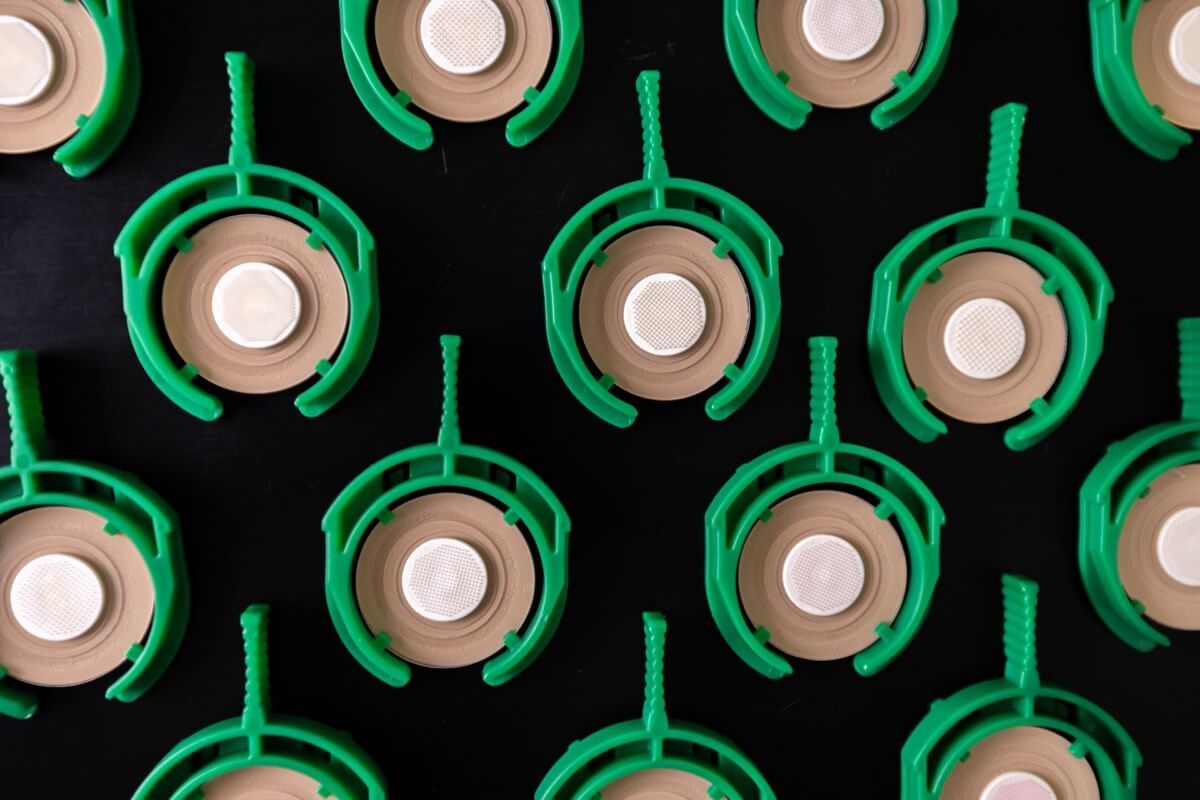
Microneedle technology has been designed with scalability and feasibility in mind. The arrays can be readily injection molded in various sizes and needle densities to accommodate different dose requirements. Robust coating processes have been demonstrated at lab, pilot, and commercial scales. Reusable applicators support late-stage clinical studies, while the technology has been tested with a variety of small molecules, biologics, and vaccines, including through full Phase III programs. Commercial manufacturing equipment has been developed that is capable of producing millions of sterile or low bioburden coated patches per year, making large-scale production a reality.
Move beyond the needle
Kindeva Drug Delivery is at the forefront of transforming vaccine administration through innovative epithelial delivery systems. By leveraging advanced technologies in inhaled and microneedle array patch delivery, we’re paving the way for more effective, patient-friendly, and potentially self-administered vaccines. These cutting-edge approaches not only enhance immune responses but also address critical challenges in vaccine distribution and uptake.
To gain deeper insights into the future of vaccine delivery via dermal, pulmonary, and nasal pathways, check out the full presentation from the 4th Annual mRNA-Based Therapeutic Summit.
Download your copy and discover the benefits of epithelial vaccine delivery.
References
- CDC. History of Smallpox. https://www.cdc.gov/smallpox/history/history.html.
- FDA. Vaccines Licensed for Use in the United States. https://www.fda.gov/vaccines-blood-biologics/vaccines/vaccines-licensed-use-united-states.
- Statista. Vaccines – Worldwide. https://www.statista.com/outlook/hmo/pharmaceuticals/vaccines/worldwide.
- Jeyanathan, M. et al. Aerosol delivery, but not intramuscular injection, of adenovirus-vectored tuberculosis vaccine induces respiratory-mucosal immunity in humans. 2022. JCI Insight. 7(3):e155655. (2022) https://doi.org/10.1172/jci.insight.155655.
- Holmgren, J., and Czerkinsky, C. Muscosal immunity and vaccines. NATURE MEDICINE SUPPLEMENT VOLUME 11:S45-54. (2005) https://doi.org/10.1038/nm1213..
- Yu, Y. et al. Microneedle-Mediated Immunization Promotes Lung CD8+ T-Cell Immunity. J. Investigative Dermatology. 143:1983-1992. (2023) https://doi.org/10.1016/j.jid.2023.03.1672..
- Sano, K., et al. SARS-CoV-2 vaccination induces mucosal antibody responses in previously infected individuals. Nature. (2021) https://doi.org/10.1038/s41467-022-32389-8.
- Mitsi, E., et al. Respiratory mucosal immune memory to SARS-CoV-2 after infection and vaccination. Nature. (2023) https://doi.org/10.1038/s41467-023-42433-w.
- Challener, C. PharmTech. Inhalation Vaccine Development. (2023) https://www.pharmtech.com/view/inhalation-vaccine-development.
- Suryawanshi, Y.N., and Biswas, D.A. Herd Immunity to Fight Against COVID-19: A Narrative Review. Cureus 15(1): e33575 https://www.cureus.com/articles/116952-herd-immunity-to-fight-against-covid-19-a-narrative-review#!/..
- McLenon, J., and Rogers, M. The fear of needles: A systematic review and meta‐analysis of 35 studies. J Adv Nurs. 75:30–42. (2019) https://doi.org/10.1111/jan.13818.
- Louten, J. Virus Transmission and Epidemiology. Essential Human Virology. (2016) https://www.ncbi.nlm.nih.gov/pmc/articles/PMC7148619/.
- White, S., et al. EXUBERA®: Pharmaceutical Development of a Novel Product for Pulmonary Delivery of Insulin. DiabetesTechnolTherap. (2005) 10.1089/dia.2005.7.896.
- Summerfield, A., et al. The immunology of the porcine skin and its value as a model for human skin. Immunol. 66:14. (2015) 10.1016/j.molimm.2014.10.023.
Related resources
Explore our other resources to discover valuable insights on the latest trends in drug delivery.
Parenteral precision: Upstream formulation handling before sterile fill finish
Parenteral precision is a blog series exploring the controls, technologies and design decisions that shape modern parenteral manufacturing. Each article looks at one capability through a practical lens: what it is, how it works, who it supports and why it matters. In our first blog, we explored how sterile fill finish operations are designed around […]
Learn More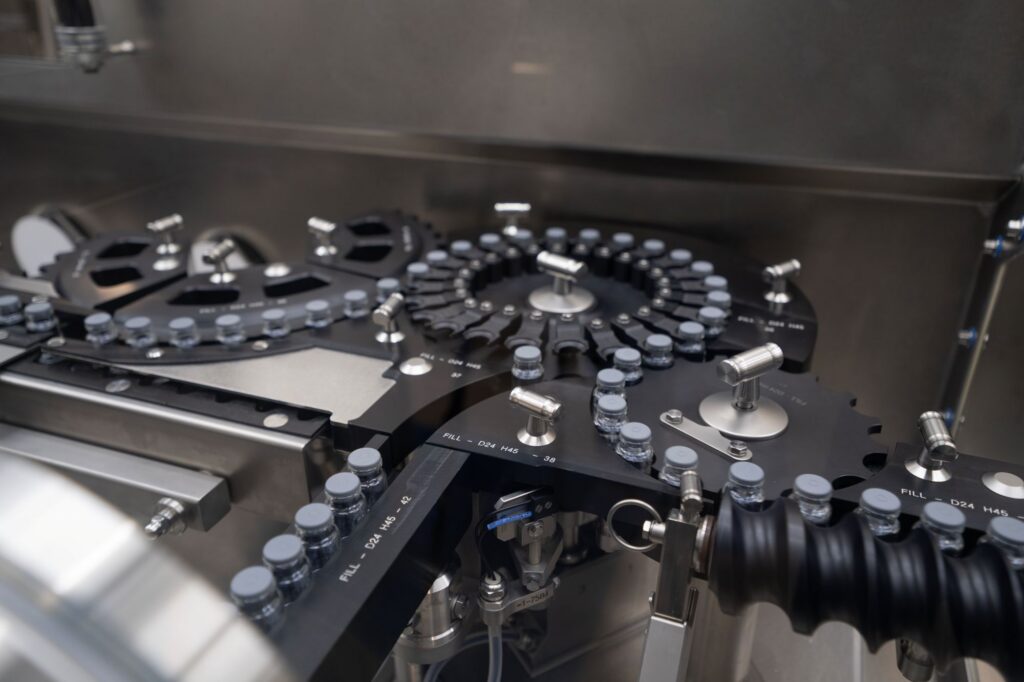
Delivering tomorrow’s injectables, today
Injectable therapies are entering a new phase of complexity. Biologics, personalized medicines and combination products are increasing demand for delivery systems that must adapt to more diverse formats and patient needs. Expectations around speed and compliance also continue to rise across the development lifecycle, placing greater pressure on how these systems are designed and scaled. […]
Learn More
Green propellants and the future of metered dose inhalers
The transition to next-generation propellants (NGPs) with low global warming potential (GWP) is redefining what success looks like for pressurized metered dose inhalers (MDIs). As sustainability targets tighten, developers must rethink how inhaled therapies are formulated, tested and manufactured without compromising performance. Reformulating with NGPs affects not only the drug product but also its interaction […]
Learn More
Q&A: Navigating tech transfer and production pitfalls
Successful tech transfer alignment requires robust risk management and precise operational planning. When communication gaps or unforeseen supply chain hurdles emerge, project timelines and product quality are often the first to be affected. In this Q&A, we explore the common pitfalls of pharmaceutical tech transfers, including how to protect critical milestones without compromising safety and […]
Learn More
Webinar | Beyond the filling suite: How modular facility design supports sterile manufacturing success
Sterile manufacturing requirements are fast evolving, which means that many organizations are reassessing whether their legacy facilities can support future operational and regulatory demands. In this webinar, John Wichelt, Vice President and General Manager at Kindeva’s Bridgeton site, explores what a modern sterile fill finish facility needs to look like in this new era. Drawing […]
Learn More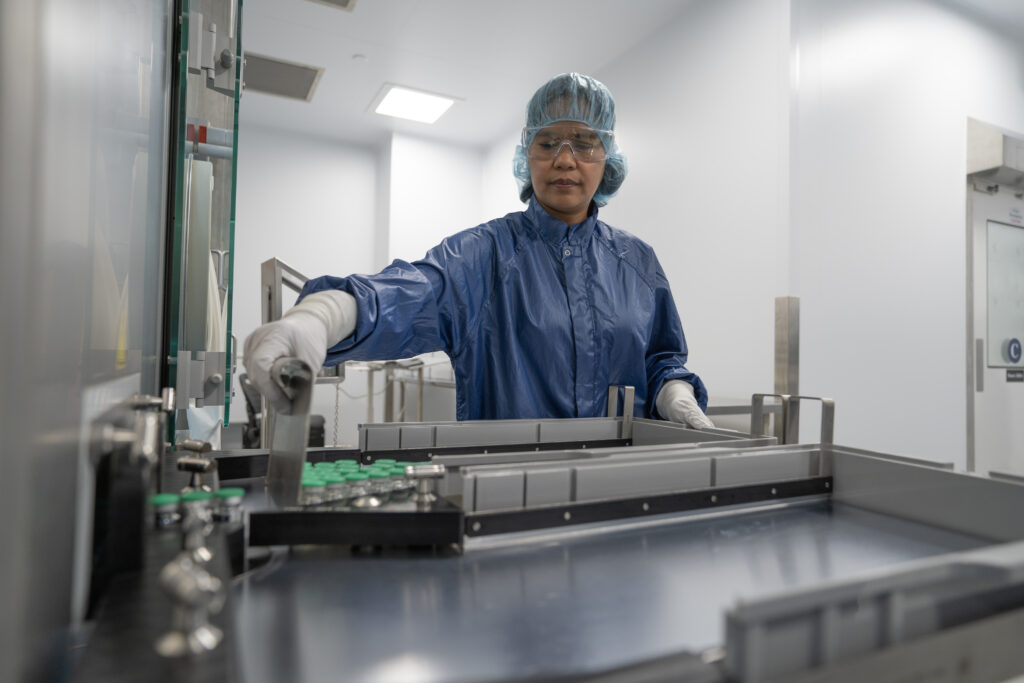
What does Annex 1 mean for sterile drug product manufacturing?
Annex 1 compliance remains a key priority for companies working in sterile drug product manufacturing. But recognizing how fundamentally expectations around sterility assurance have changed may be the most significant challenge companies face. Revisions to the EU GMP Annex 1 requirements now move beyond individual compliance activities and place greater emphasis on how contamination risks […]
Learn More
Delivering value beyond manufacturing in nasal drug delivery
Nasal drug delivery has moved far beyond familiar allergy sprays, now supporting life-saving rescue therapies, complex systemic treatments and investigational nose-to-brain approaches. As this evolution and shift toward wider, more complex applications continue, so too will expectations for product quality and reliability. Behind every successful nasal product sits a delicate balance of interdependent elements. Formulation, […]
Learn More
Video tour | Explore Kindeva’s US manufacturing network
As a purpose-fueled, people-centric drug delivery CDMO, we are dedicated to advancing programs that help fast-track healthier tomorrows. Our US facilities play a vital role in delivering this commitment, providing specialized environments, technical depth and operational excellence that extend beyond manufacturing. Our US sites are strategically located and designed to support complex drug delivery programs […]
Learn More
Explore our world-class sterile injectable facility in Bridgeton, Missouri | Video tour
Spanning over 155,000 sq. ft. of dedicated aseptic operations space, our Bridgeton, MO facility brings together leading expertise, advanced automation and Annex 1-compliant isolator technology to help support growing global demand for sterile injectables. Designed to deliver excellence from floor to ceiling, Bridgeton seamlessly connects development and delivery through flexible fill finish infrastructure that helps […]
Learn MoreLet’s transform tomorrow together
Every patient deserves a brighter tomorrow. As your strategic partner, we are dedicated to building your lasting legacy and helping you fast-track healthier tomorrows. You dream it, we deliver it.