Home / Knowledge hub /
Where the propellants are greener: Inside the MDI facility of the future
March 6, 2026
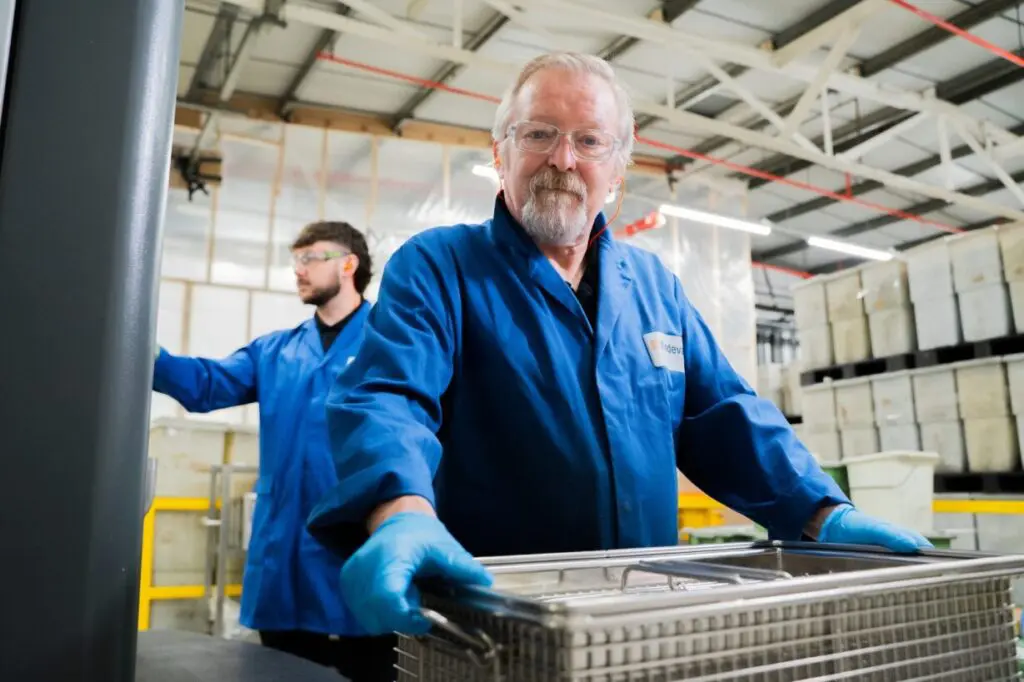
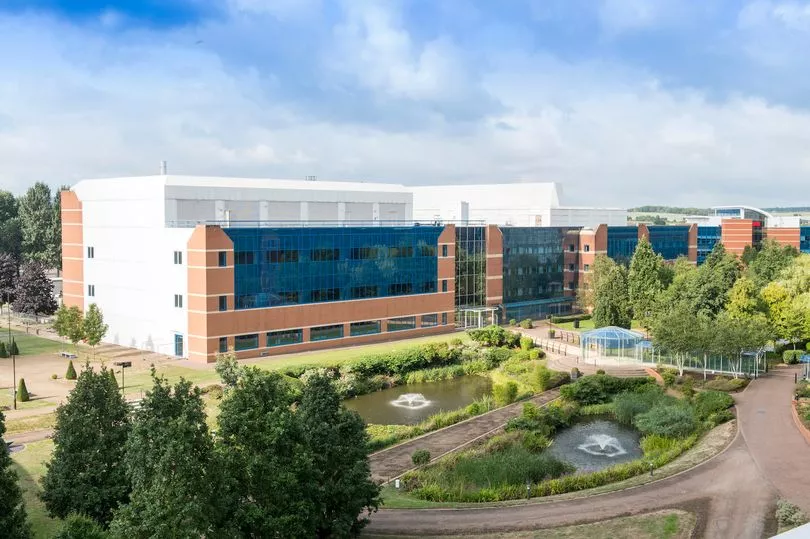
As the pharmaceutical industry accelerates toward net-zero goals, inhalation therapies face unique scrutiny. Pressurized metered-dose inhalers (pMDIs) remain vital for millions of patients, yet their reliance on legacy propellants presents a sustainability challenge. To address this, Kindeva has established its UK headquarters and MDI Center of Excellence in Loughborough, a facility purpose-built to lead the transition to next-generation propellants.
To explore why this transition matters and what makes it so technically demanding, we spoke with Barzin Gavtash, Director of Commercial Strategy of Kindeva’s MDI Business Unit, about how this new facility is helping the industry advance sustainable inhalation innovation.
1. The pharmaceutical industry is developing more sustainable inhalers. What is driving this shift, and why does it create such a focus on pMDI innovation?
This shift is driven by a global regulatory mandate. The primary catalyst is the Kigali Amendment to the Montreal Protocol, which requires countries to phase down high global warming potential hydrofluorocarbons. That international commitment is now being implemented through national legislation, including the EU F-Gas Regulation and the US AIM Act, which are removing previous medical exemptions for pMDIs.
Traditional pMDIs account for approximately 3.9% of the UK National Health Service’s carbon footprint [1], so their environmental impact is significant. As a result, the industry is being forced to re-engineer pMDIs to comply with these new standards. These inhalers remain a preferred and essential delivery system for millions of patients, so the challenge is to maintain trusted performance while meeting new environmental requirements.
2. How do the technical and manufacturing requirements for this pMDI transition make it so specialized compared to other dosage forms?
Successfully switching propellants requires a complete system redesign. A pMDI is a complex combination product in which the propellant, formulation and device components are all integrated.
The technical challenges are substantial. Next-generation propellants like HFA-152a have different chemical properties that affect formulation stability and compatibility with device materials. They also require full bioequivalence testing to ensure proper lung deposition.
On the manufacturing side, the leading propellants have different physical properties. This creates the need for specialized manufacturing infrastructure and handling protocols that most existing facilities do not have.
3. What specific criteria should a company use to evaluate a contract development and manufacturing organization (CDMO) partner’s technical expertise, regulatory track record and scale-up readiness for a pMDI project?
This transition requires a partner with a very specific, proven skill set. Three criteria are essential.
- Deep inhalation expertise: A partner must have a proven legacy in inhalation. This specialized experience is distinct from general manufacturing. Kindeva, for example, has deep knowledge from leading the previous chlorofluorocarbon (CFC) to hydrofluoroalkane (HFA) transition.
- A proven regulatory track record: The partner must have extensive experience successfully registering complex inhalation products with global agencies. Regulators view a propellant switch as a new product submission because the propellant is a critical part of the formulation. An experienced partner understands how to navigate the specific requirements of different global agencies, helping prevent costly delays.
- Scale-up and infrastructure readiness: A cutting-edge partner will already have pilot-scale and commercial-scale lines capable of handling new propellants. This readiness saves clients significant time and capital investment.
4. When outsourcing development, how can partnering with a specialized facility help a company balance innovation with practical concerns like cost and risk?
Partnering with a prepared expert directly addresses these three concerns.
Firstly, it reduces risk. An experienced CDMO has already managed the complex engineering and handling requirements for next-generation propellants. Their regulatory expertise also helps avoid costly delays.
Such collaboration also helps manage cost. It removes the need for prohibitive capital expenditure. Companies can leverage a partner’s existing investment instead of building a new facility from scratch, which could cost hundreds of millions of dollars and add years to a program.
Finally, this kind of partnership accelerates innovation. A pharmaceutical company can focus on its core strength in drug development while the CDMO handles the complex integration of the formulation, device and manufacturing process. This helps bring the product to market faster.
5. How does an experienced partner like Kindeva add value through deep pulmonary expertise and integrated, sustainability-focused infrastructure?
An experienced partner adds value by integrating every necessary service at one center of excellence.
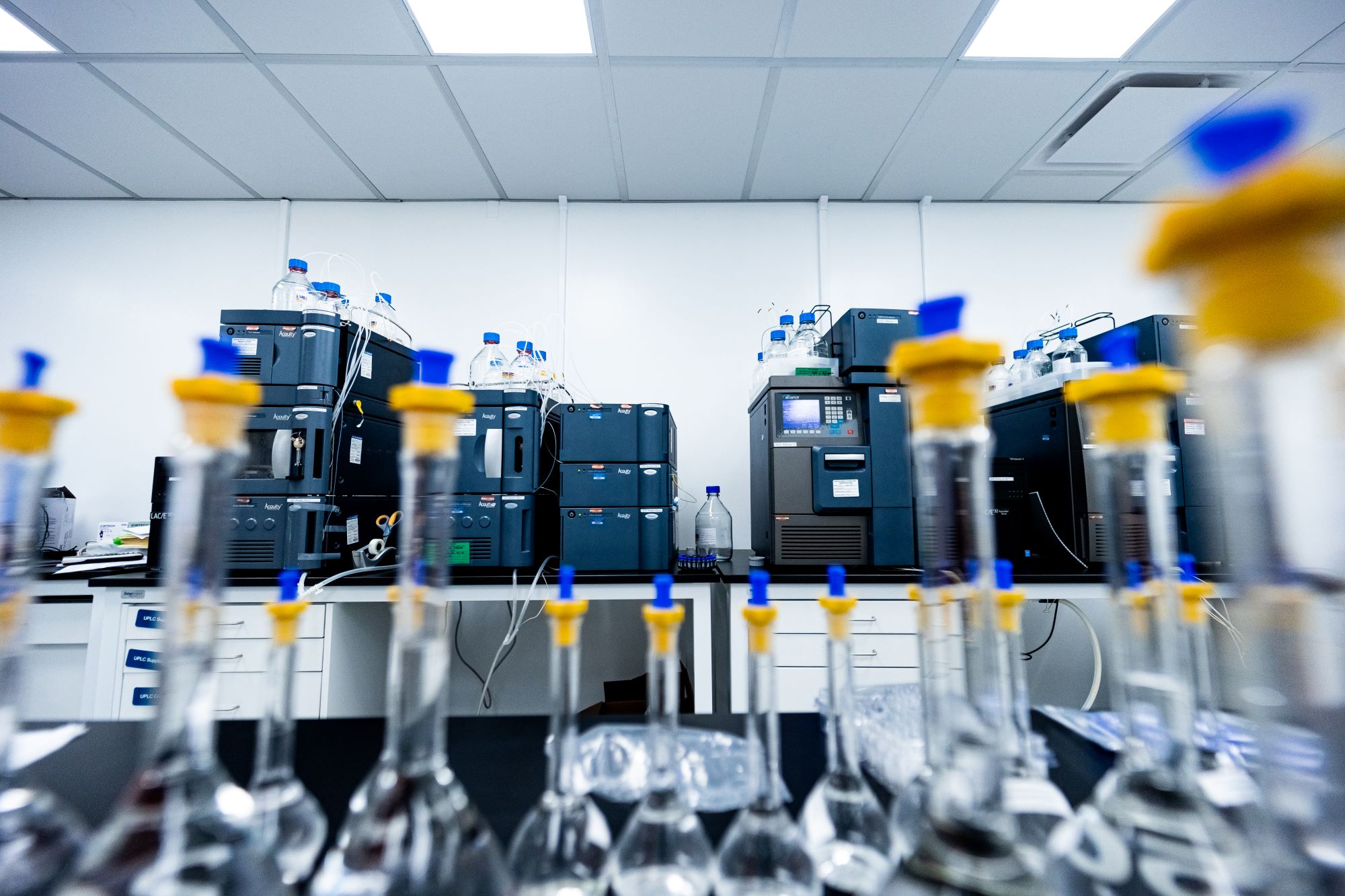
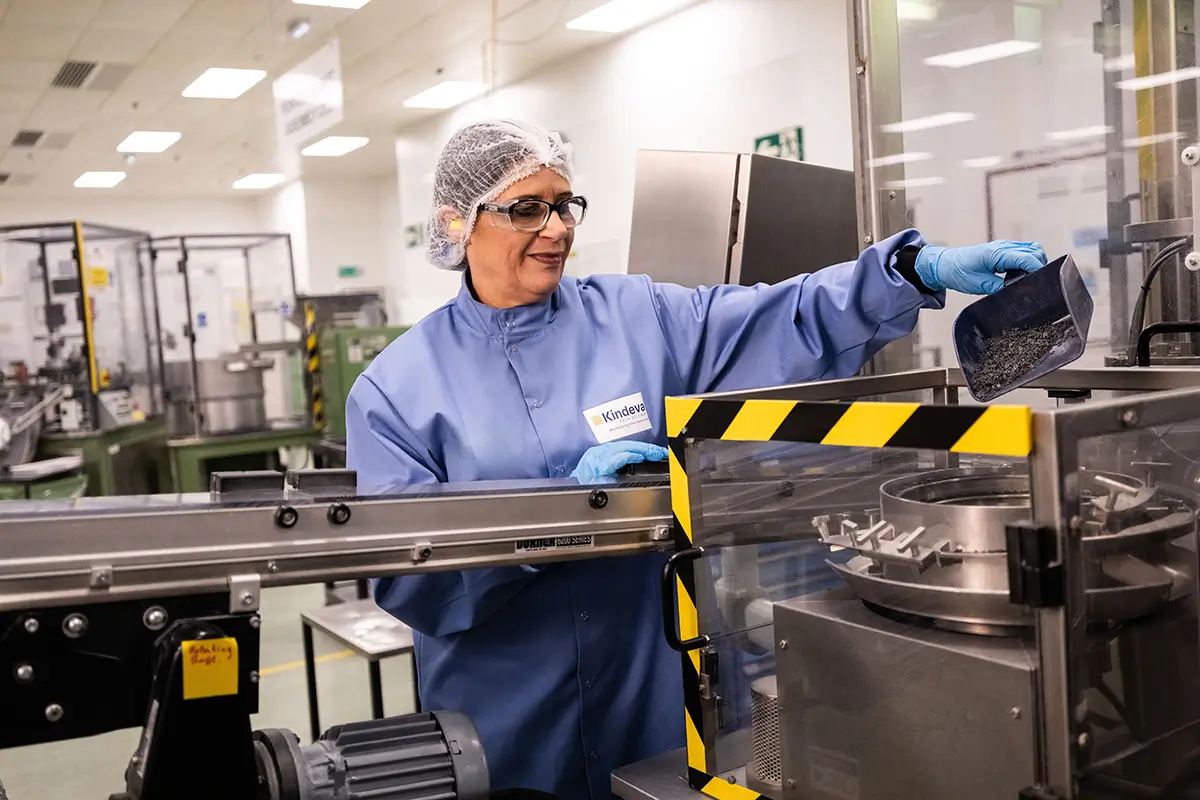
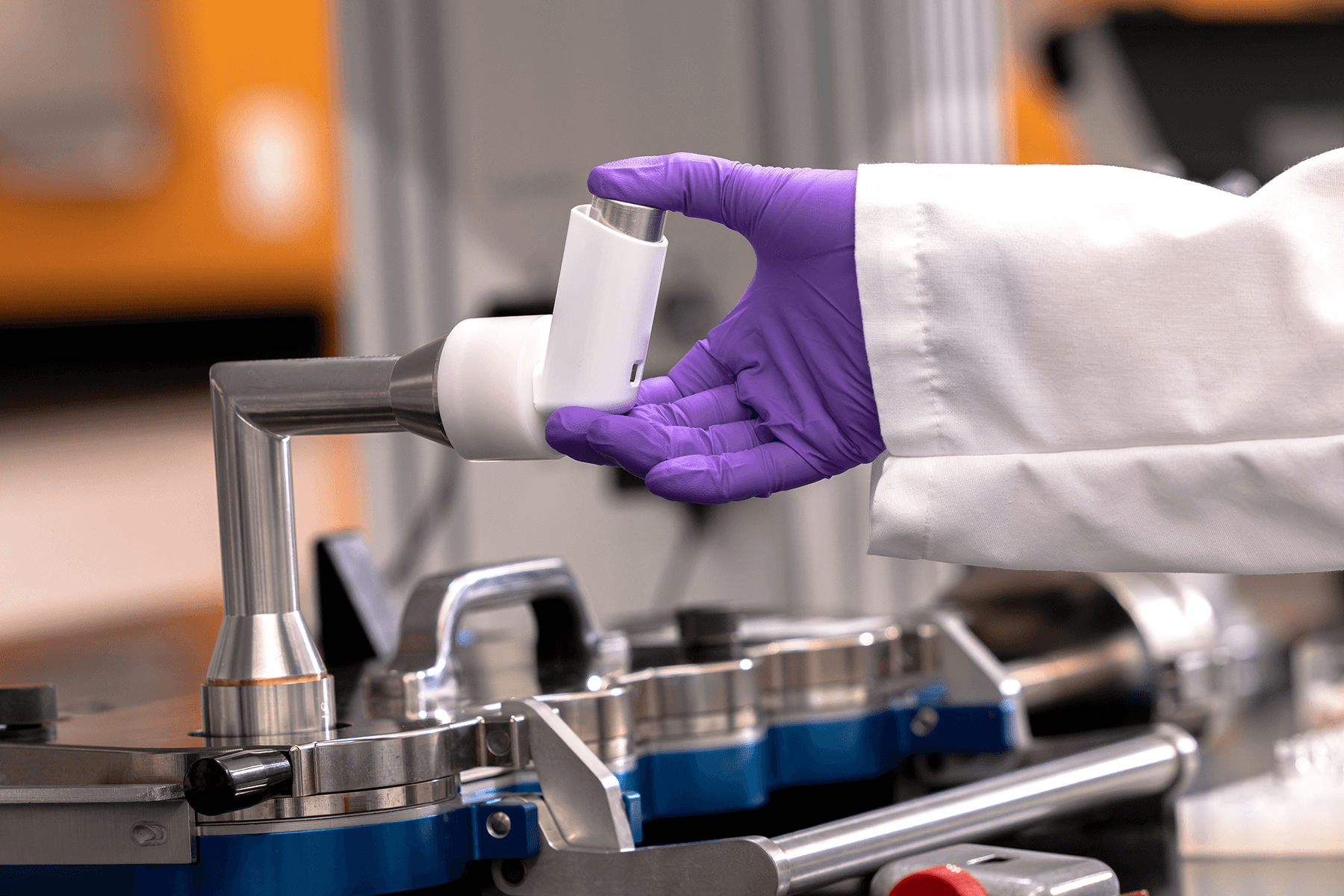
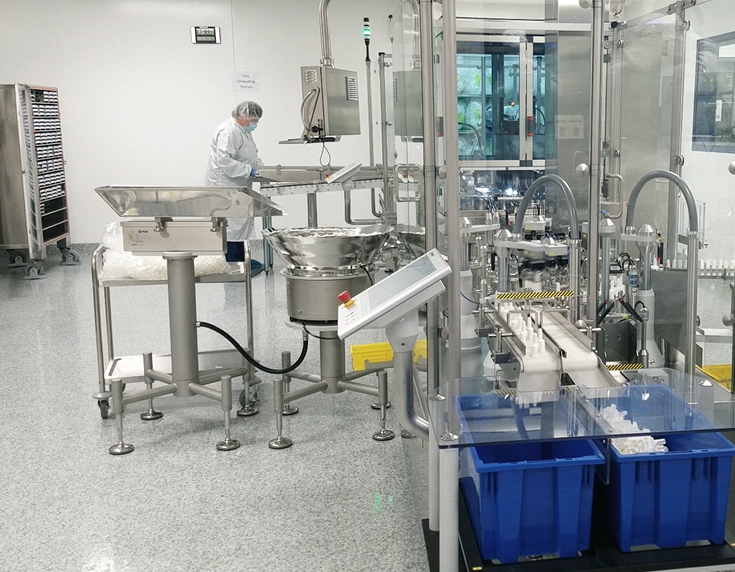
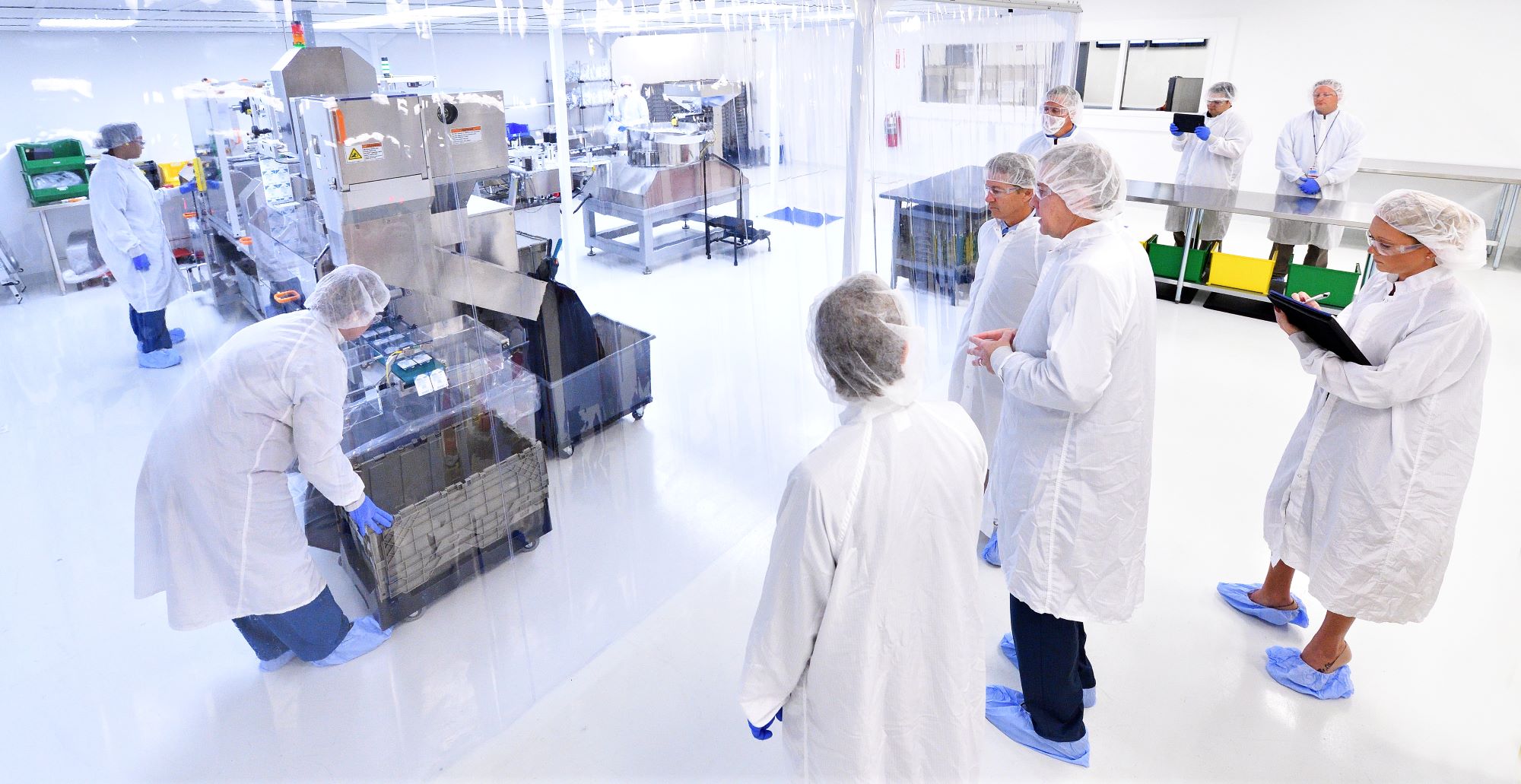
A facility like Kindeva’s Loughborough headquarters provides R&D, specialized analytical support, pilot-scale filling with any current and next-generation propellant, on-site regulatory teams and multiple high-speed commercial manufacturing lines.
The value of this integration is speed and simplicity. It removes the need to manage multiple vendors and ensures a seamless transfer of knowledge from development to commercial scale. This process is key to getting vital, sustainable inhalers to patients quickly and reliably.
Building the future of sustainable inhalation
As the inhalation industry enters its next chapter, the ability to adapt rapidly and responsibly is critical. Kindeva’s Loughborough MDI Center of Excellence provides the expertise, infrastructure and vision required to lead the transition to low-GWP inhalers.
To learn more about how Kindeva can support your next-generation MDI program, contact the team to start the conversation.
References
- National Health Service. Health and Social Care National Research Framework. NHS Sustainable Healthcare Network, 2018. https://networks.sustainablehealthcare.org.uk/sites/default/files/resources/20180912_Health_and_Social_Care_NRF_web.pdf
Related resources
Explore our other resources to discover valuable insights on the latest trends in drug delivery.
What’s behind the decisions shaping successful fill finish programs?
Advanced equipment and available cleanroom capacity are important considerations when choosing a sterile fill finish CDMO partner, but they only form part of the decision. As a drug program nears cGMP manufacturing, careful consideration of technical, quality, and operational readiness is essential, as it shapes how confidently a program can progress. These considerations take place […]
Learn More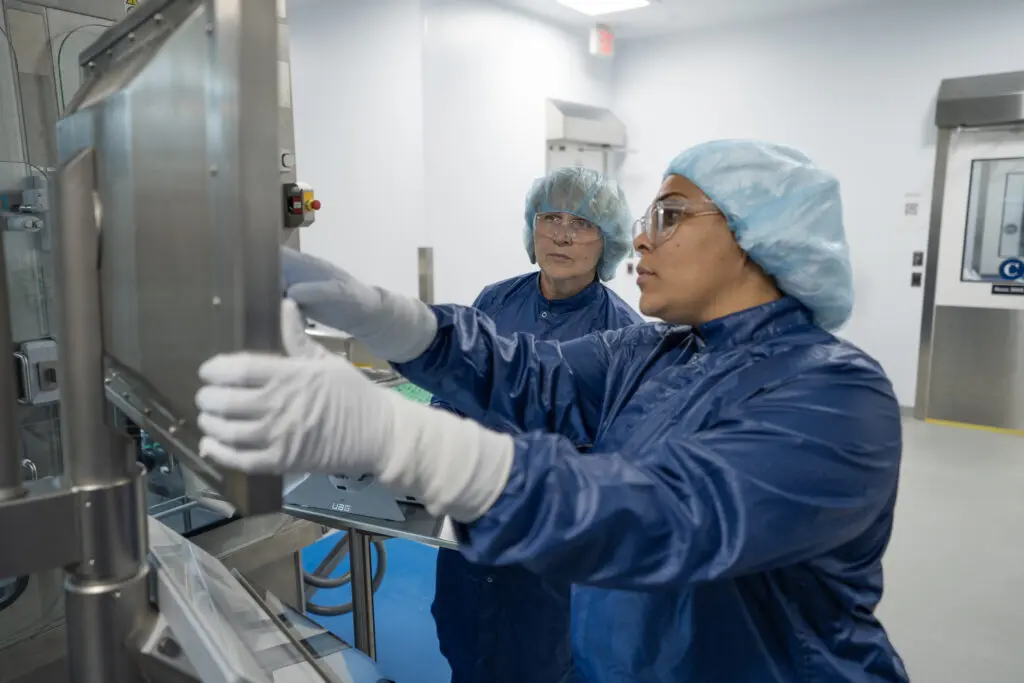
Building sterile injectable manufacturing capacity for growing GLP-1 demand
Glucagon-like peptide-1 (GLP-1) receptor agonists are being prescribed more frequently, increasing pressure on sterile injectable manufacturing networks. To effectively serve expanding patient populations, developers must increase output while maintaining product quality and regulatory compliance without disrupting the supply of other therapies. Meeting the growing GLP-1 demand requires manufacturing models that can manage high-volume programs alongside […]
Learn More
Meeting the challenges of fill finish manufacturing
How flexible infrastructure and early manufacturing expertise can help drug developers respond to changing demand With rising demand for glucagon-like peptide-1 (GLP-1) medicines, continued progress in biologics and the expansion of self-administered treatments, new expectations are being placed on sterile fill finish operations. Manufacturers must accommodate different container formats and production volumes while maintaining consistent […]
Learn More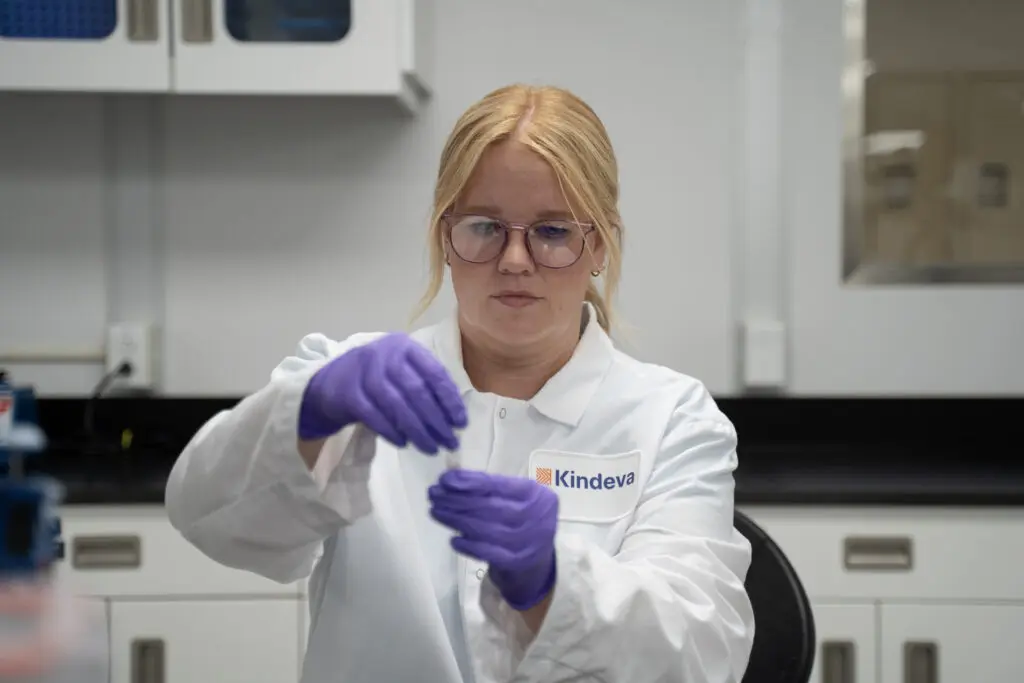
Can one quality system manage complexity across multiple drug delivery platforms?
As drug development portfolios expand across multiple delivery platforms, increasing complexity places quality systems under greater strain. For sponsors considering a CDMO, it is essential to know that the Quality Management System (QMS) can provide consistency while allowing teams to respond appropriately to the requirements of each product. A harmonized QMS can provide that framework […]
Learn More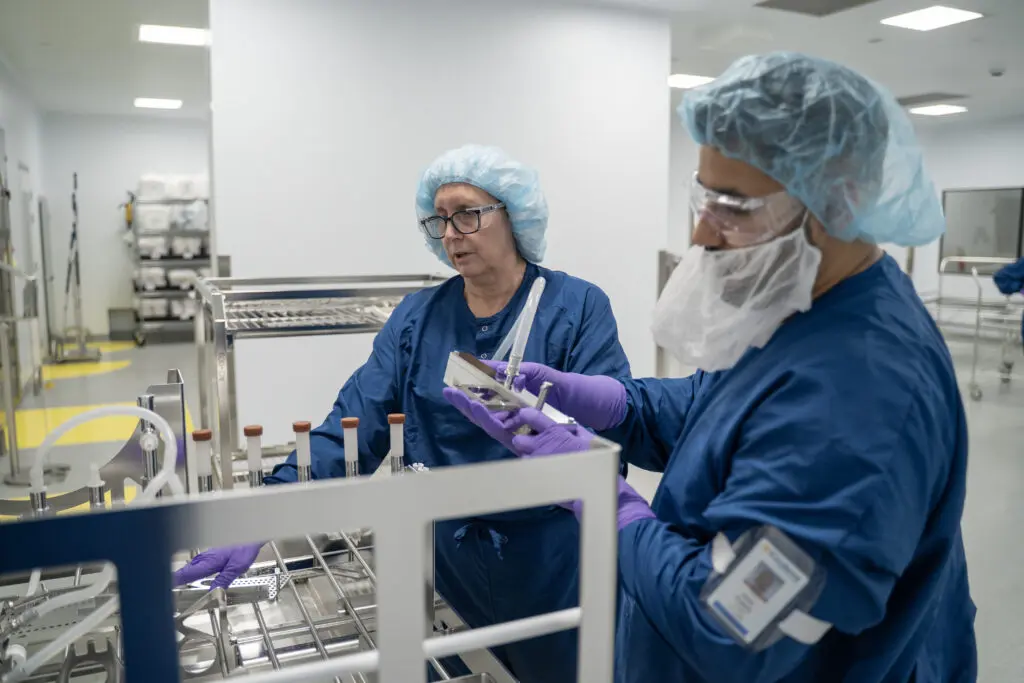
Parenteral precision: Upstream formulation handling before sterile fill finish
Parenteral precision is a blog series exploring the controls, technologies and design decisions that shape modern parenteral manufacturing. Each article looks at one capability through a practical lens: what it is, how it works, who it supports and why it matters. In our first blog, we explored how sterile fill finish operations are designed around […]
Learn More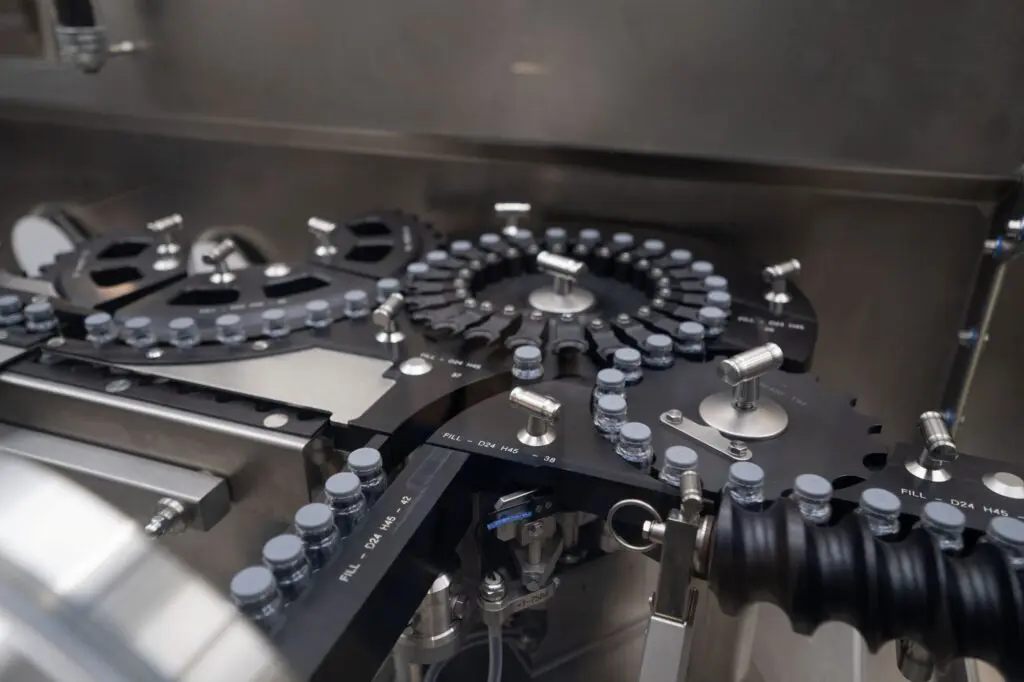
Delivering tomorrow’s injectables, today
Injectable therapies are entering a new phase of complexity. Biologics, personalized medicines and combination products are increasing demand for delivery systems that must adapt to more diverse formats and patient needs. Expectations around speed and compliance also continue to rise across the development lifecycle, placing greater pressure on how these systems are designed and scaled. […]
Learn More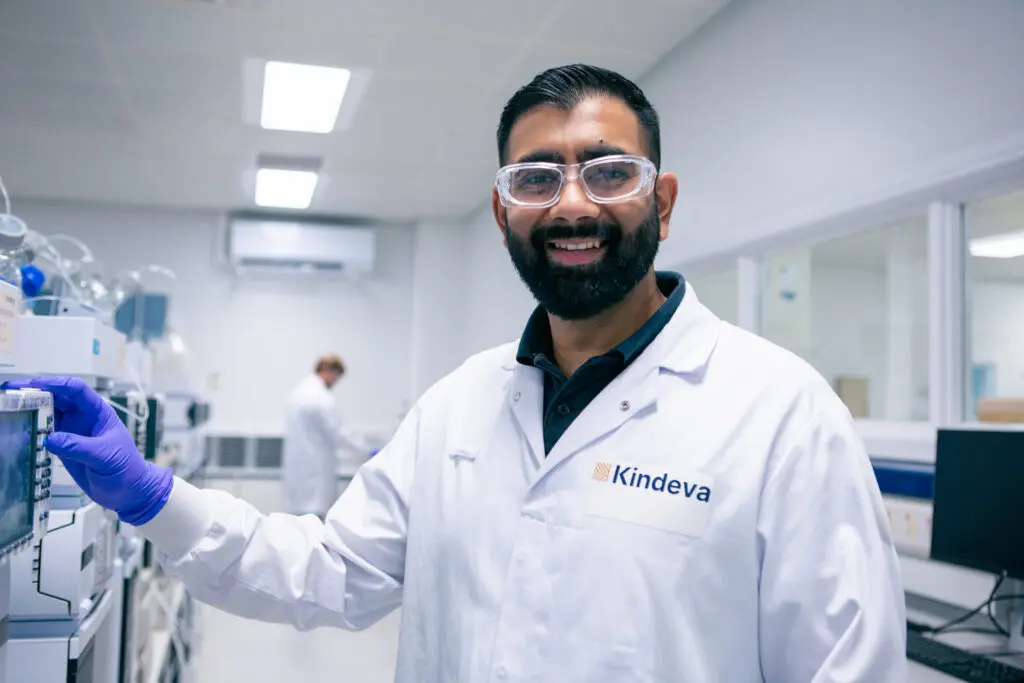
Green propellants and the future of metered dose inhalers
The transition to next-generation propellants (NGPs) with low global warming potential (GWP) is redefining what success looks like for pressurized metered dose inhalers (MDIs). As sustainability targets tighten, developers must rethink how inhaled therapies are formulated, tested and manufactured without compromising performance. Reformulating with NGPs affects not only the drug product but also its interaction […]
Learn More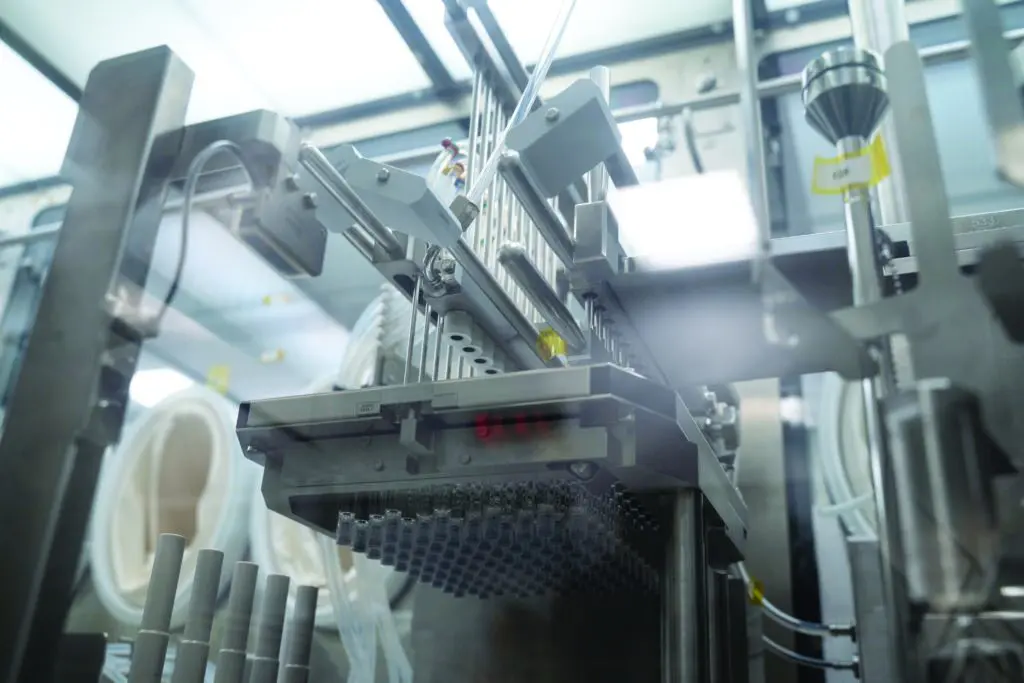
Q&A: Navigating tech transfer and production pitfalls
Successful tech transfer alignment requires robust risk management and precise operational planning. When communication gaps or unforeseen supply chain hurdles emerge, project timelines and product quality are often the first to be affected. In this Q&A, we explore the common pitfalls of pharmaceutical tech transfers, including how to protect critical milestones without compromising safety and […]
Learn More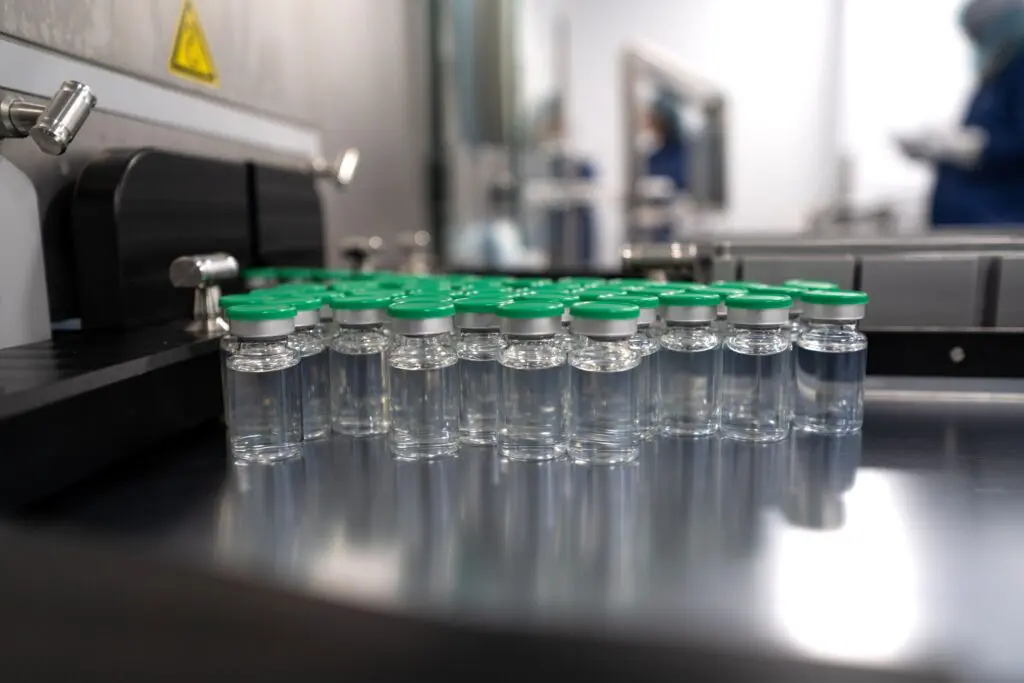
Webinar | Beyond the filling suite: How modular facility design supports sterile manufacturing success
Sterile manufacturing requirements are fast evolving, which means that many organizations are reassessing whether their legacy facilities can support future operational and regulatory demands. In this webinar, John Wichelt, Vice President and General Manager at Kindeva’s Bridgeton site, explores what a modern sterile fill finish facility needs to look like in this new era. Drawing […]
Learn MoreLet’s transform tomorrow together
Every patient deserves a brighter tomorrow. As your strategic partner, we are dedicated to building your lasting legacy and helping you fast-track healthier tomorrows. You dream it, we deliver it.