



Home / Knowledge hub /
Navigating the green revolution: Why next-generation propellants are critical for pMDIs
March 13, 2026
The imperative to address climate change is reshaping industries worldwide, and pharmaceutical manufacturers are no exception. In respiratory medicine, the spotlight has fallen on pressurized metered-dose inhalers (pMDIs). While crucial for millions of patients, pMDIs harness propellants with a global warming potential (GWP) many times higher than CO2. This significant environmental footprint is a critical concern, especially as global legislation now mandates phasing down these high-GWP propellants.
The drive towards next-generation propellants (NGPs) in pMDIs isn’t just an environmental aspiration; it’s a necessity driven by converging legislative, economic and patient-centric factors. This is about delivering pMDIs that pair precision engineering with sustainable innovation, helping you overcome aerosol challenges, stay ahead of evolving sustainability regulations and reach patients faster with a familiar, accessible format.
Why green propellants are high on the pMDI agenda
The urgency to adopt low-GWP NGPs stems from critical areas:
- Global legislative pressure: International accords like the Kigali Amendment to the Montreal Protocol push for a substantial 70% reduction in high-GWP HFCs by 2030 [1]. The EU F-Gas regulation targets a 95% HFC reduction by 2034, with similar controls emerging in the US and UK [2]. This evolving landscape signifies the impending removal of current pMDI exemptions, compelling industry action.
- Economic imperative: Beyond environmental compliance, there’s a clear financial incentive. HFC supply for pMDIs is tightening, increasing costs. Advocating a mass switch to other delivery routes could incur substantial costs for healthcare systems, patients and insurers. Studies suggest such a shift could cost the UK’s NHS an extra ~$127 million annually [3].
- Patient well-being and choice: pMDIs remain vital for many patients, especially for rescue medications like short-acting beta-agonists (SABAs). A forced, widespread transition away from pMDIs could decrease patient adherence, potentially increasing asthma and chronic obstructive pulmonary disease (COPD) exacerbations and hospitalizations.
Recognizing these drivers, major pharmaceutical players like GSK, AstraZeneca, and Chiesi have committed to launching NGP pMDIs by 2025/2026.
The challenges of transitioning to next-generation propellants
While the need for greener propellants is clear, the path to widespread adoption is complex:
- Significant investment required: Decarbonizing pMDI platforms demands substantial capital investment in new manufacturing infrastructure, equipment and research.
- Complex regulatory environment: Navigating evolving global frameworks for new drug products and propellants is a considerable hurdle. This includes demonstrating equivalence, and it’s crucial to avoid costly surprises with end-to-end analytical testing and regulatory insight.
- Technical challenges in reformulation: Developing stable, effective and patient-friendly pMDI formulations with new propellants requires extensive R&D. Issues like drug solubility, valve performance and patient usability must be carefully addressed. To fine-tune your aerosol strategy, deep expertise is essential.
- Supply chain readiness: Establishing a robust and reliable supply chain for novel propellants and components is crucial, requiring significant coordination.
How Kindeva is leading the transition to a sustainable pMDI future
Despite these challenges, we at Kindeva are committed to accelerating the transition to NGPs, building on our unparalleled pMDI pedigree and deep expertise. As pioneers in the 1990s switch from CFCs to HFAs, we launched the world’s first CFC-free salbutamol pMDI. Today, we apply that same spirit to low-GWP formulations, ensuring exceptional performance with minimal environmental impact.
We bring proven expertise, helping partners overcome aerosol challenges and tap into our deep experience in pMDI formulation and aerosol delivery. Our approach involves simultaneous formulation, component and device optimization, enabling smooth scale-up to market and providing a platform to more. We design stability and shelf life around your formulation’s needs and market realities, ensuring robust products.
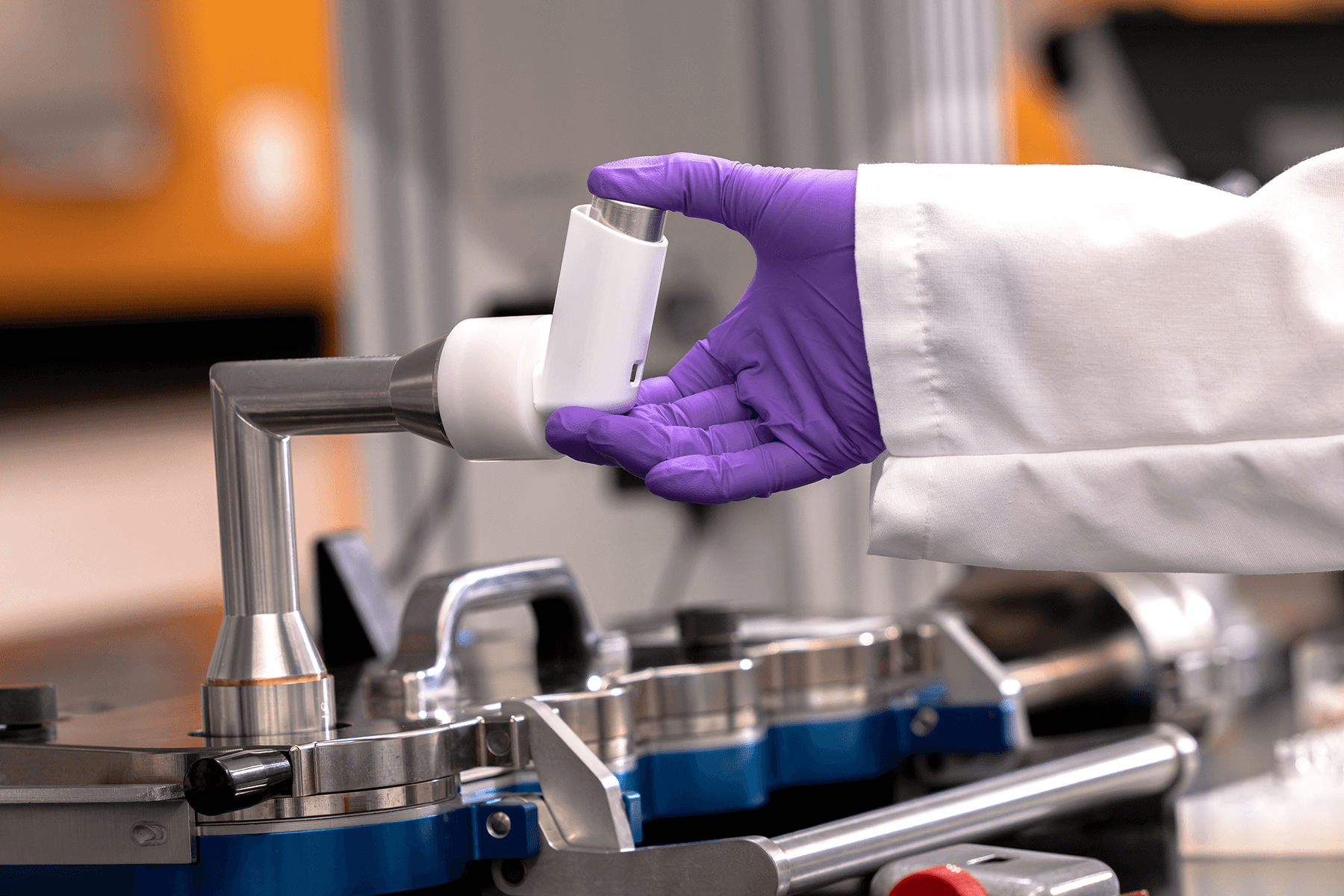
We demonstrate green propellant leadership, operating at the forefront of commercial green propellant lines. With registration batches completed in 2024 and full commercial-scale operations planned for 2025, our Loughborough, UK site is central to this effort. We are the first contract development and manufacturing organization (CDMO) to have HFA-152a low-GWP propellant capability, truly creating a future where the propellants are greener. As a leading commercial manufacturer of pMDIs using HFA-152a and HFO-1234ze, we ensure compliance and competitiveness, guiding you through this shift without compromising performance. We partner with you to navigate evolving regulations while protecting your product and reputation.
Our commitment extends beyond manufacturing. Our UK sites are powered by 100% renewable energy, and we hold ISO 14001 and ISO 45001 certifications. This dedication is part of our global $200 million investment to build scalable infrastructure and develop advanced, eco-friendly formulations.
Pioneering a patient-first, sustainable future in respiratory care
The journey towards fully decarbonized pMDIs is a complex yet critical endeavor, essential for both planetary health and patient well-being. At Kindeva, we are not just adapting to this future; we are actively shaping it with a patient-first device design philosophy that delivers real-life results. We believe in empowering your patients with better therapies they can manage at home — devices designed to minimize systemic side effects, maximize lung deposition, and ensure rapid onset of action and ease-of-use. This targeted delivery and dose flexibility expands market reach, ensuring that with every breath you give, patients benefit from pMDIs that truly embody precision engineering with sustainable innovation.
Ready to explore what’s possible for next-generation pMDIs? Ask us how we can support you to manufacture a greener tomorrow.
References
[1] United Nations Environment Programme. “The Kigali Story: How the Kigali Amendment Is Helping Us Fight Climate Change.” UNEP Ozone Secretariat, 2024. https://ozone.unep.org/news/kigali-story
[2] European Commission. “Fluorinated Greenhouse Gases (F-Gas) Legislation.” European Commission, 2025. https://climate.ec.europa.eu/eu-action/fluorinated-greenhouse-gases/f-gas-legislation_en
[3] Costs of switching to low global warming potential inhalers. An economic and carbon footprint analysis of NHS prescription data in England. DOI: 10.1136
Related resources
Explore our other resources to discover valuable insights on the latest trends in drug delivery.

What’s behind the decisions shaping successful fill finish programs?
Advanced equipment and available cleanroom capacity are important considerations when choosing a sterile fill finish CDMO partner, but they only form part of the decision. As a drug program nears cGMP manufacturing, careful consideration of technical, quality, and operational readiness is essential, as it shapes how confidently a program can progress. These considerations take place […]
Learn More
Building sterile injectable manufacturing capacity for growing GLP-1 demand
Glucagon-like peptide-1 (GLP-1) receptor agonists are being prescribed more frequently, increasing pressure on sterile injectable manufacturing networks. To effectively serve expanding patient populations, developers must increase output while maintaining product quality and regulatory compliance without disrupting the supply of other therapies. Meeting the growing GLP-1 demand requires manufacturing models that can manage high-volume programs alongside […]
Learn More
Meeting the challenges of fill finish manufacturing
How flexible infrastructure and early manufacturing expertise can help drug developers respond to changing demand With rising demand for glucagon-like peptide-1 (GLP-1) medicines, continued progress in biologics and the expansion of self-administered treatments, new expectations are being placed on sterile fill finish operations. Manufacturers must accommodate different container formats and production volumes while maintaining consistent […]
Learn More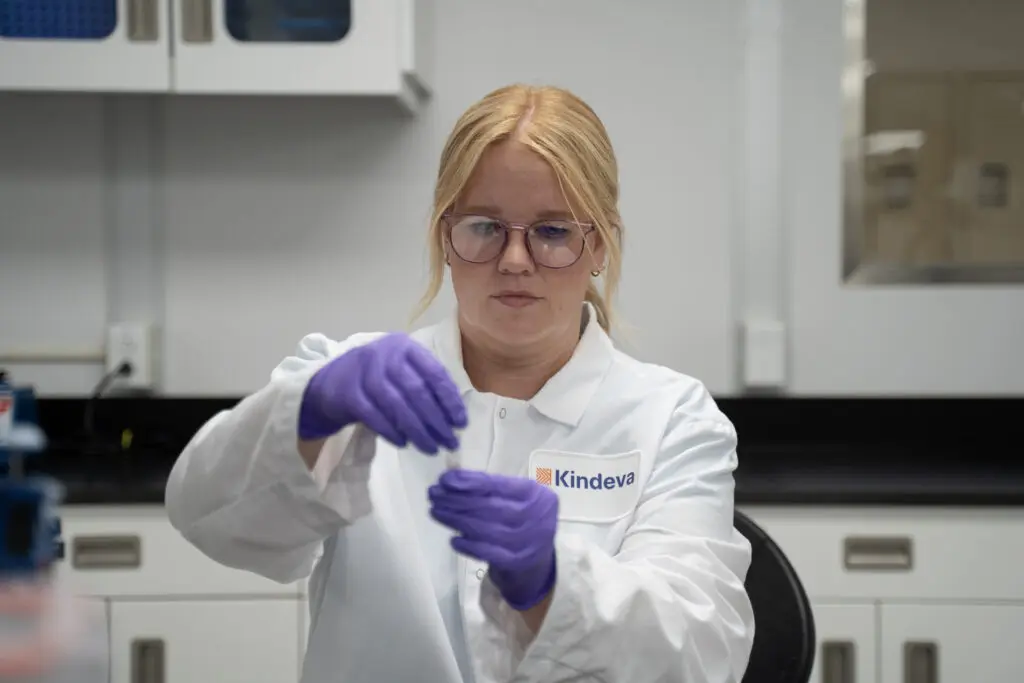
Can one quality system manage complexity across multiple drug delivery platforms?
As drug development portfolios expand across multiple delivery platforms, increasing complexity places quality systems under greater strain. For sponsors considering a CDMO, it is essential to know that the Quality Management System (QMS) can provide consistency while allowing teams to respond appropriately to the requirements of each product. A harmonized QMS can provide that framework […]
Learn More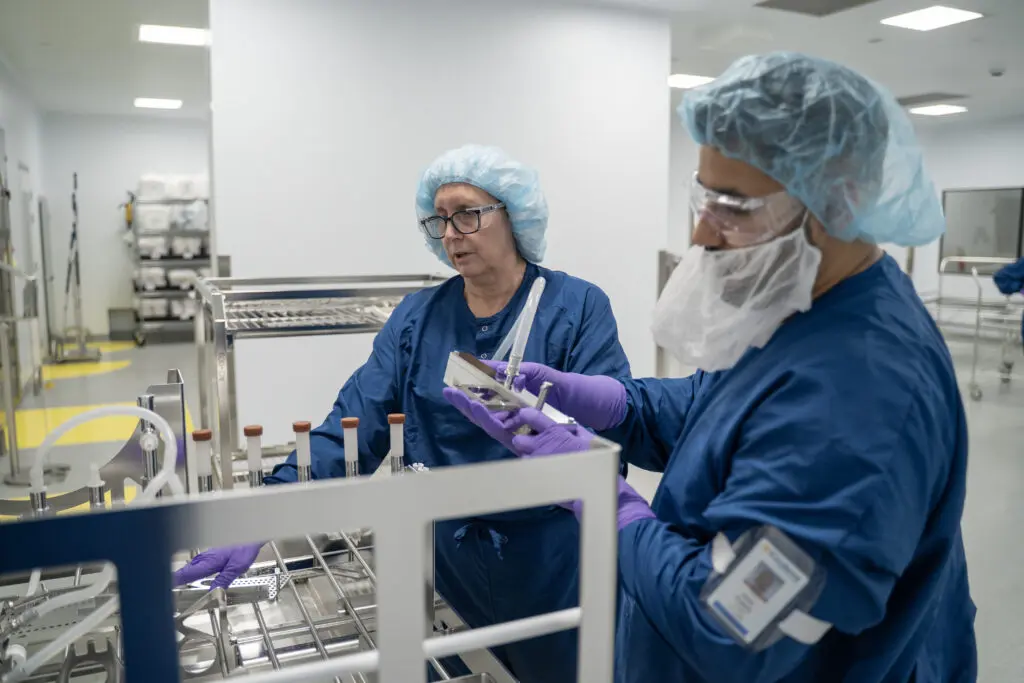
Parenteral precision: Upstream formulation handling before sterile fill finish
Parenteral precision is a blog series exploring the controls, technologies and design decisions that shape modern parenteral manufacturing. Each article looks at one capability through a practical lens: what it is, how it works, who it supports and why it matters. In our first blog, we explored how sterile fill finish operations are designed around […]
Learn More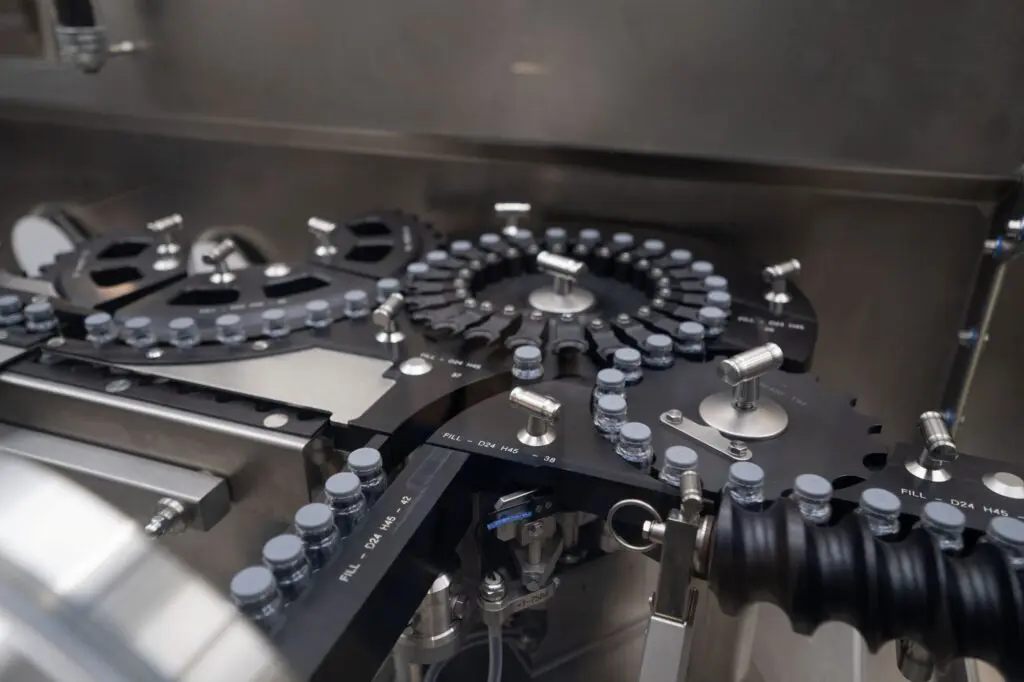
Delivering tomorrow’s injectables, today
Injectable therapies are entering a new phase of complexity. Biologics, personalized medicines and combination products are increasing demand for delivery systems that must adapt to more diverse formats and patient needs. Expectations around speed and compliance also continue to rise across the development lifecycle, placing greater pressure on how these systems are designed and scaled. […]
Learn MoreGreen propellants and the future of metered dose inhalers
The transition to next-generation propellants (NGPs) with low global warming potential (GWP) is redefining what success looks like for pressurized metered dose inhalers (MDIs). As sustainability targets tighten, developers must rethink how inhaled therapies are formulated, tested and manufactured without compromising performance. Reformulating with NGPs affects not only the drug product but also its interaction […]
Learn More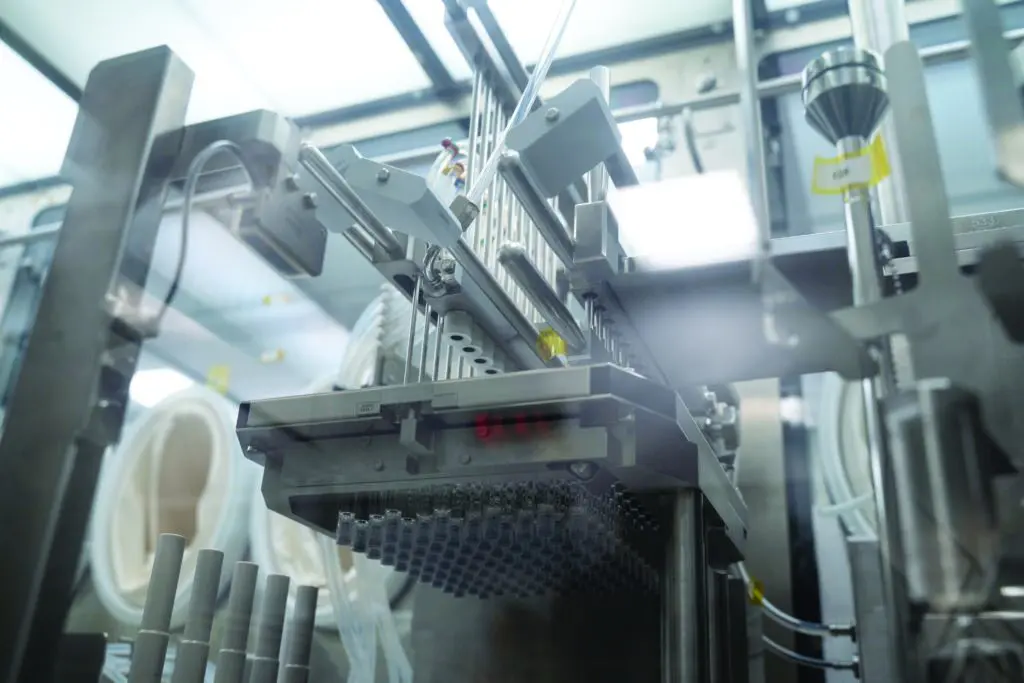
Q&A: Navigating tech transfer and production pitfalls
Successful tech transfer alignment requires robust risk management and precise operational planning. When communication gaps or unforeseen supply chain hurdles emerge, project timelines and product quality are often the first to be affected. In this Q&A, we explore the common pitfalls of pharmaceutical tech transfers, including how to protect critical milestones without compromising safety and […]
Learn More
Webinar | Beyond the filling suite: How modular facility design supports sterile manufacturing success
Sterile manufacturing requirements are fast evolving, which means that many organizations are reassessing whether their legacy facilities can support future operational and regulatory demands. In this webinar, John Wichelt, Vice President and General Manager at Kindeva’s Bridgeton site, explores what a modern sterile fill finish facility needs to look like in this new era. Drawing […]
Learn MoreLet’s transform tomorrow together
Every patient deserves a brighter tomorrow. As your strategic partner, we are dedicated to building your lasting legacy and helping you fast-track healthier tomorrows. You dream it, we deliver it.