
Home / Knowledge hub /
Sterile fill finish Q&A: What should sponsors ask before manufacturing begins?
October 30, 2026

Successful sterile fill finish depends on decisions made long before a product reaches the filling line. Process understanding, technology transfer strategy, contamination control and commercial readiness all influence how confidently a program can progress into Good Manufacturing Practice (GMP) manufacturing.
In this Q&A, Kindeva experts share practical perspectives on the questions pharmaceutical and biotech teams should consider when evaluating a sterile fill finish contract development and manufacturing organization (CDMO).
1. What should pharmaceutical and biotech companies establish before sterile fill finish technology transfer begins?
Tommy Schornak, SVP Injectables
A successful transfer starts with a clear understanding of the product and how the process is expected to perform at manufacturing scale. Technical teams should identify where development knowledge is well established and where assumptions still need supporting evidence. Early assessment can then determine whether the proposed process and filling line are a good fit for the product. Resolving those questions before GMP execution gives teams a stronger technical foundation for transfer and reduces the likelihood of discovering process constraints later.
2. Why are engineering runs important during sterile fill finish technology transfer?
Chad Hafer, Director of MS&T
Engineering runs provide an opportunity to see how a transferred process behaves in the actual manufacturing environment before validation begins. Conditions at commercial scale can affect a formulation differently than those used during development, which means established instructions may still contain assumptions. An engineering run lets technical teams test those assumptions and use the resulting data to refine the process where needed. This builds greater process understanding and provides stronger evidence for the operating conditions that will ultimately support GMP manufacturing.
3. How do you determine whether a sterile fill finish process is a good fit for a manufacturing facility?
John Wichelt, Vice President & General Manager, Bridgeton
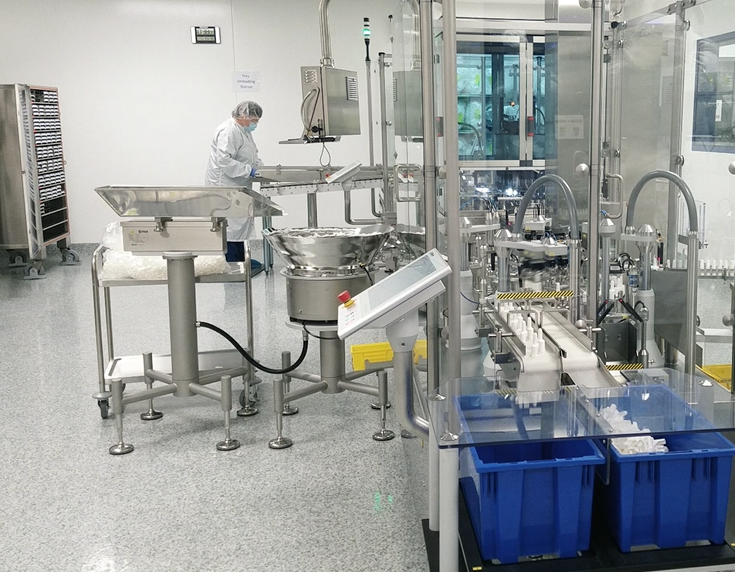
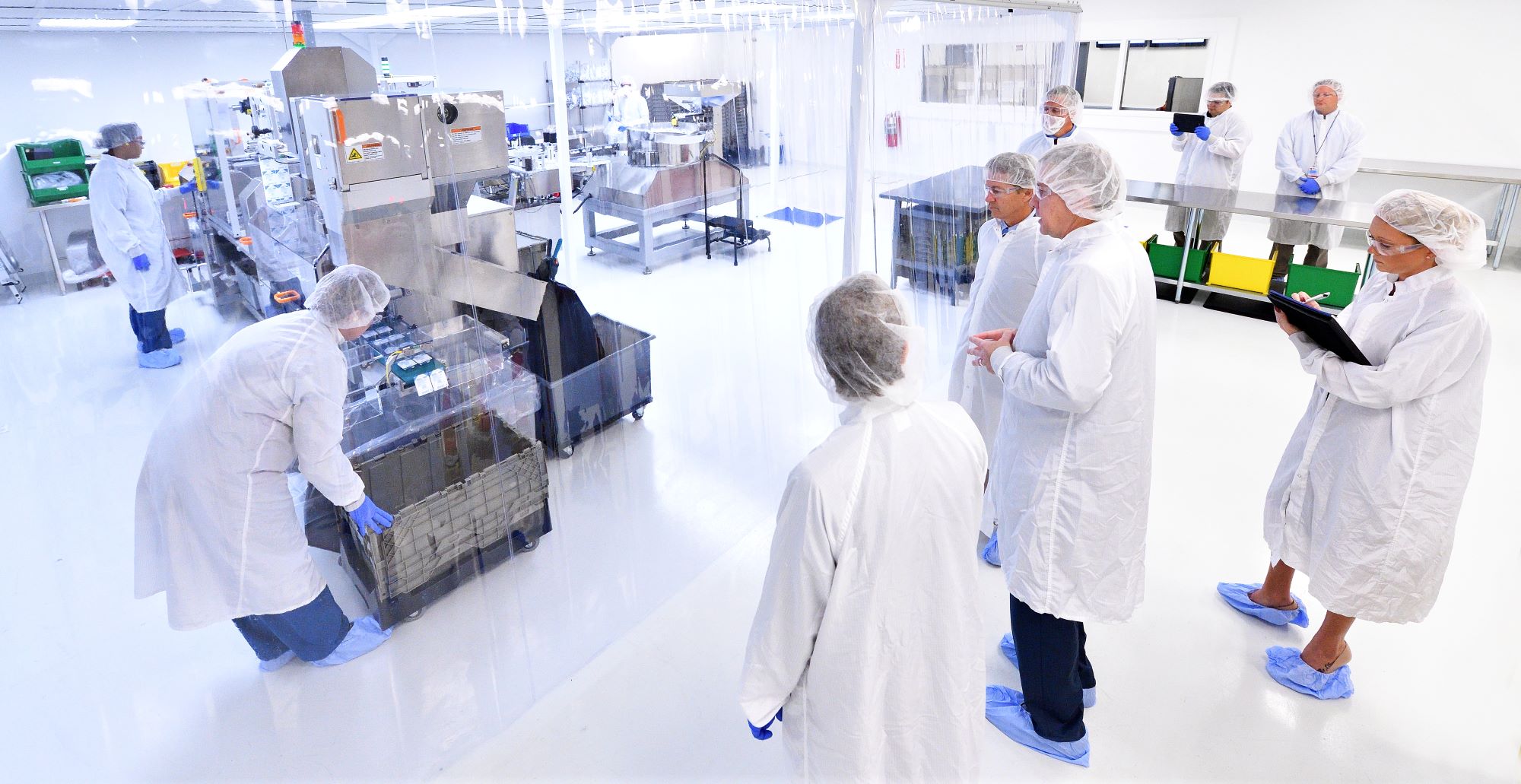
Assessing facility fit means determining whether the proposed process can be executed reliably at the required scale on the selected filling line. That requires teams to consider the process in the context of the wider manufacturing environment and identify any adaptations needed before manufacturing begins. At Bridgeton, modular manufacturing environments allow those requirements to be considered as part of line selection and transfer planning.
4. What makes for an effective contamination control strategy in sterile fill finish?
Patrick McNally, Vice President, Quality
An effective contamination control strategy starts with understanding the process well enough to determine where contamination risks exist and how they should be controlled. Facility design and isolator technology provide important engineering safeguards, while quality systems establish how their performance is monitored and demonstrated over time. Bringing quality expertise into these decisions early helps ensure that contamination control is built into routine manufacturing and supported by evidence as the process progresses.
5. What does commercial readiness mean in sterile fill finish manufacturing?
Shaun Eckerle, Vice President & General Manager, St. Louis
Commercial readiness means being able to execute a validated process reliably as a program moves into routine supply. That requires the manufacturing operation around the filling line to remain coordinated as schedules and requirements evolve. Capacity and material planning become particularly important because changes in one area can affect the wider manufacturing plan. Maintaining visibility across the operation allows teams to identify potential constraints earlier and make informed decisions that support continued supply.
What to look for in a sterile fill finish CDMO
Choosing a sterile fill finish CDMO means looking beyond available capacity and equipment. Pharmaceutical and biotech companies should consider whether a prospective partner can explain the decisions behind its manufacturing approach and provide the expertise to guide a product from technology transfer into routine supply.
At Kindeva, that expertise shapes how sterile fill finish programs are evaluated, transferred and executed at Bridgeton.
Talk to our sterile fill finish experts about your program.
Related resources
Explore our other resources to discover valuable insights on the latest trends in drug delivery.
Why successful technology transfers can start by slowing down
Technology transfer programs often face pressure to move quickly, but rushing through the early stages can lead to costly execution delays when teams start before internal alignment is complete. By slowing down, teams can streamline the process, ensure alignment from the start, and challenge assumptions before the transfer begins. In other words, slow is smooth; […]
Learn More
Turning media fill data into stronger aseptic control in an Annex 1 era
Media fills provide an important demonstration of aseptic process performance, as the information gathered during a simulation gives manufacturers a stronger understanding of how the process behaves over time. As companies must now translate their media fill processes to meet Annex 1 expectations, the way this information is reviewed can provide valuable insight into aseptic […]
Learn More
Rethinking media fill strategy in the Annex 1 era
Media fills play a central role in aseptic process validation, providing a practical demonstration that a manufacturing process can be carried out without introducing microbial contamination. However, under the revised EU GMP Annex 1 guidance, the focus has shifted, and an acceptable final incubation result is no longer sufficient on its own. Now, media fills […]
Learn More
What’s behind the decisions shaping successful fill finish programs?
Advanced equipment and available cleanroom capacity are important considerations when choosing a sterile fill finish CDMO partner, but they only form part of the decision. As a drug program nears cGMP manufacturing, careful consideration of technical, quality, and operational readiness is essential, as it shapes how confidently a program can progress. These considerations take place […]
Learn More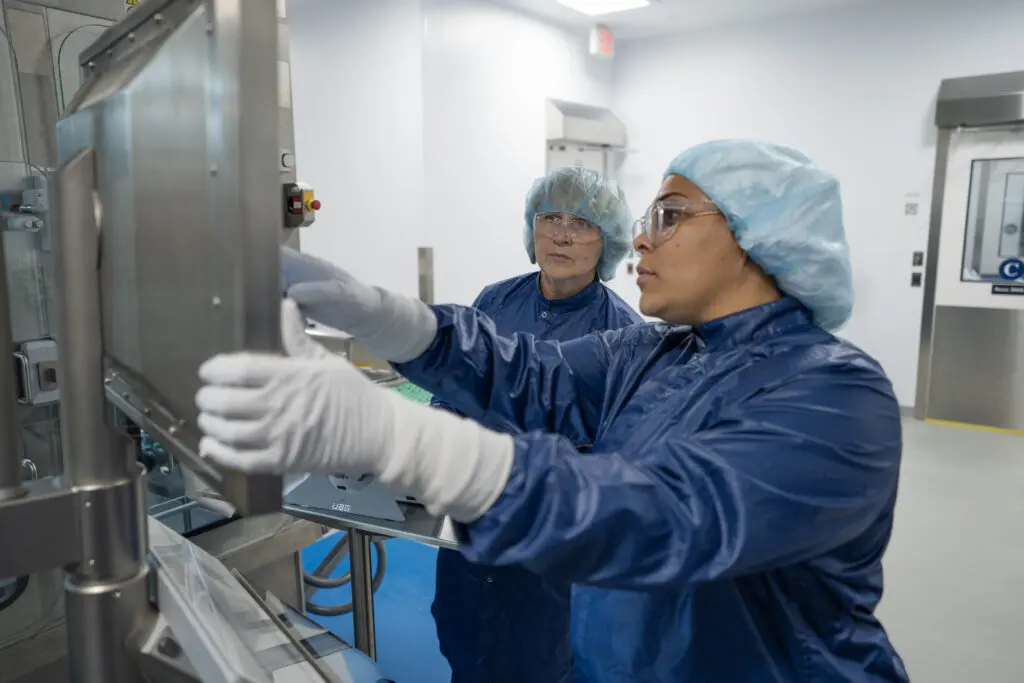
Building sterile injectable manufacturing capacity for growing GLP-1 demand
Glucagon-like peptide-1 (GLP-1) receptor agonists are being prescribed more frequently, increasing pressure on sterile injectable manufacturing networks. To effectively serve expanding patient populations, developers must increase output while maintaining product quality and regulatory compliance without disrupting the supply of other therapies. Meeting the growing GLP-1 demand requires manufacturing models that can manage high-volume programs alongside […]
Learn More
Meeting the challenges of fill finish manufacturing
How flexible infrastructure and early manufacturing expertise can help drug developers respond to changing demand With rising demand for glucagon-like peptide-1 (GLP-1) medicines, continued progress in biologics and the expansion of self-administered treatments, new expectations are being placed on sterile fill finish operations. Manufacturers must accommodate different container formats and production volumes while maintaining consistent […]
Learn More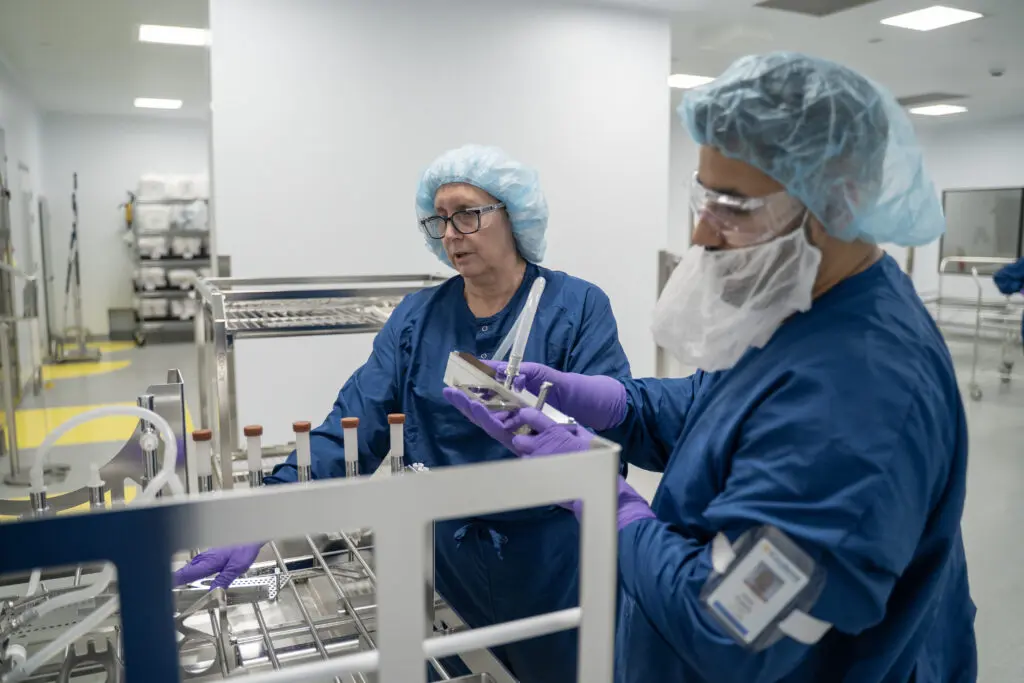
Parenteral precision: Upstream formulation handling before sterile fill finish
Parenteral precision is a blog series exploring the controls, technologies and design decisions that shape modern parenteral manufacturing. Each article looks at one capability through a practical lens: what it is, how it works, who it supports and why it matters. In our first blog, we explored how sterile fill finish operations are designed around […]
Learn More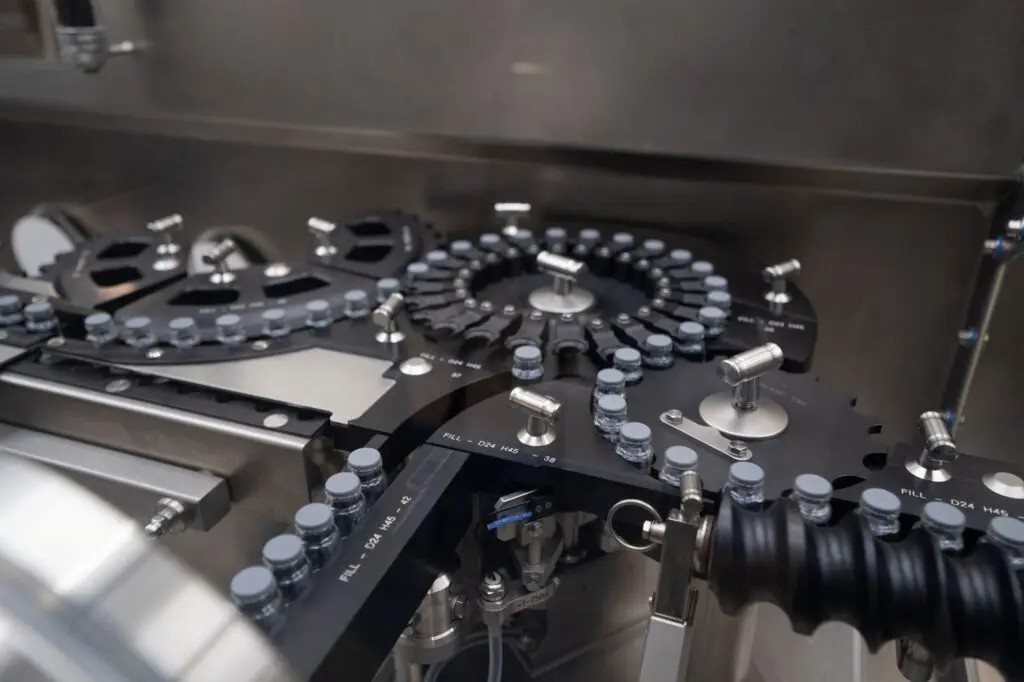
Delivering tomorrow’s injectables, today
Injectable therapies are entering a new phase of complexity. Biologics, personalized medicines and combination products are increasing demand for delivery systems that must adapt to more diverse formats and patient needs. Expectations around speed and compliance also continue to rise across the development lifecycle, placing greater pressure on how these systems are designed and scaled. […]
Learn More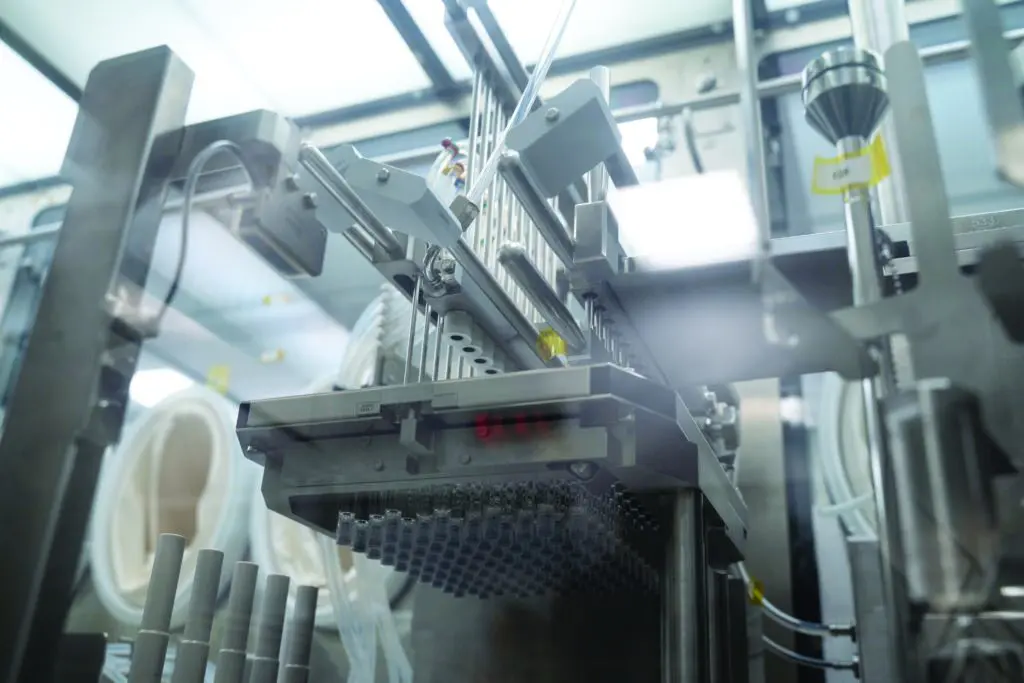
Q&A: Navigating tech transfer and production pitfalls
Successful tech transfer alignment requires robust risk management and precise operational planning. When communication gaps or unforeseen supply chain hurdles emerge, project timelines and product quality are often the first to be affected. In this Q&A, we explore the common pitfalls of pharmaceutical tech transfers, including how to protect critical milestones without compromising safety and […]
Learn MoreLet’s transform tomorrow together
Every patient deserves a brighter tomorrow. As your strategic partner, we are dedicated to building your lasting legacy and helping you fast-track healthier tomorrows. You dream it, we deliver it.