

Home / Knowledge hub /
Parenteral precision: Upstream formulation handling before sterile fill finish
August 17, 2026
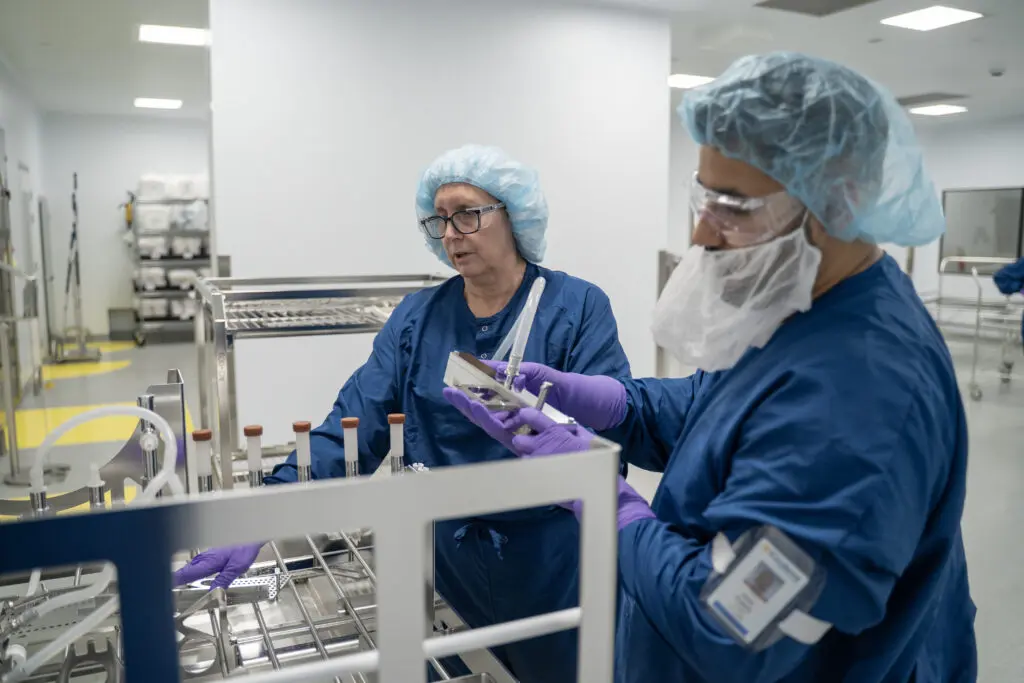
Parenteral precision is a blog series exploring the controls, technologies and design decisions that shape modern parenteral manufacturing. Each article looks at one capability through a practical lens: what it is, how it works, who it supports and why it matters.
In our first blog, we explored how sterile fill finish operations are designed around European Union Good Manufacturing Practice (EU GMP) Annex 1 principles to satisfy strict regulatory expectations for contamination control. Establishing sterile conditions at the filling machine is only part of the challenge, with product quality and batch consistency depending heavily on the upstream steps where the active drug formulation is prepared and held before transfer.
One of the most persistent upstream challenges in contemporary manufacturing is process inconsistency. This variability often stems from scaling a formulation before the molecule’s physical and chemical sensitivities are fully characterized. Moving quickly from the laboratory to pilot scale can leave gaps in knowledge regarding how a drug behaves under real-world conditions, how sensitive it is to mechanical stress and how much process variability it can tolerate.
What is precision formulation handling?
In parenteral manufacturing, formulation is the precise physical and chemical compounding of a drug substance into its final bulk form. This process requires active management of critical process parameters (CPPs), including mixing speed and times, process and hold temperatures, filtration pressures and in-process parameters such as pH and dissolved oxygen content, to preserve the drug’s molecular characteristics.
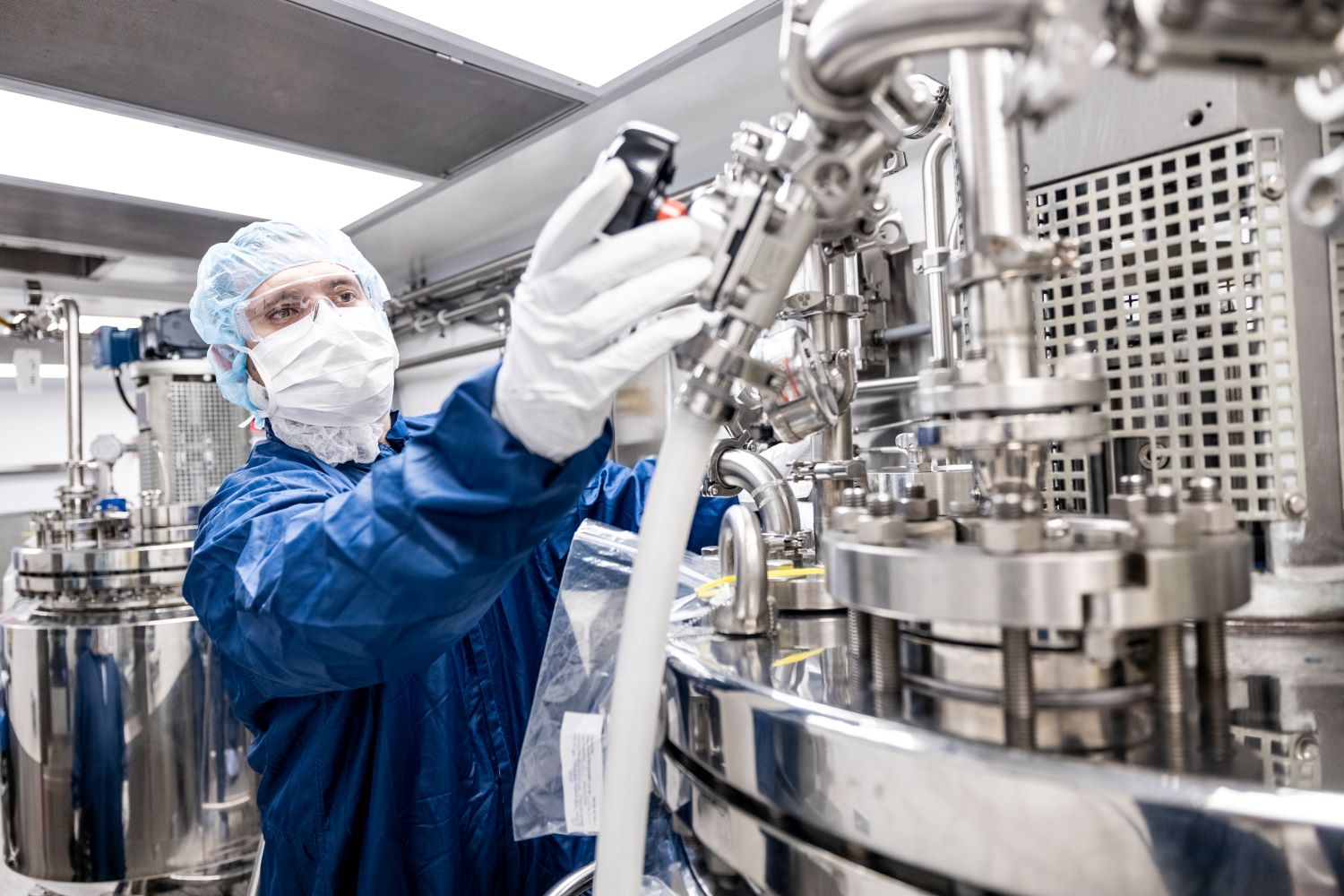
Under regulatory frameworks such as Annex 1, upstream handling must be designed to minimize the risk of contamination [1]. In the past, processing often relied on open vessels or manual transfers, which introduced atmospheric risks and potential contamination. Modern precision handling uses fully closed systems and single-use technologies with automated monitoring to isolate the product from the environment to ensure the drug product remains stable and uncontaminated as it moves from preparation to the filling line.
How does precision formulation handling work?
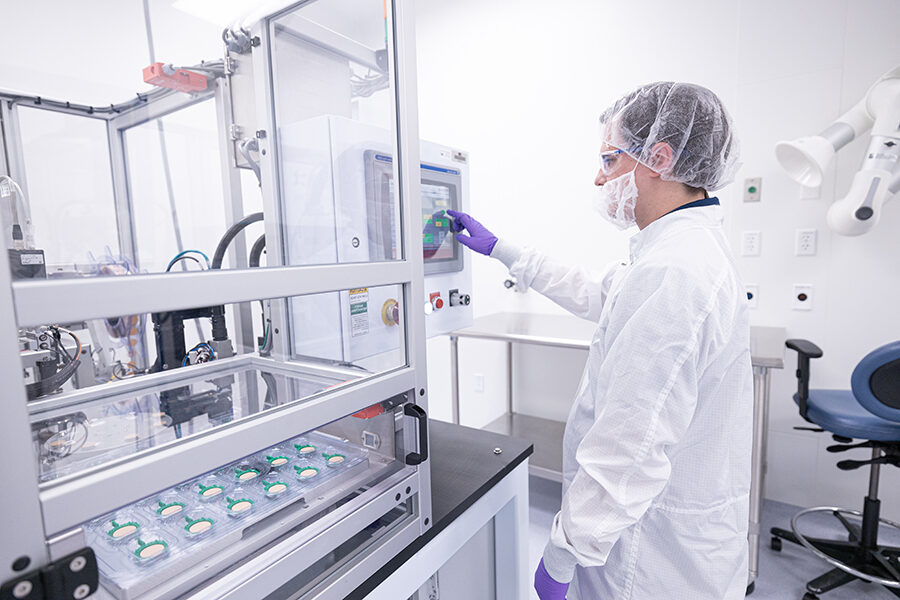
The process begins with the facility layout, where formulation suites are co-located with aseptic filling operations to reduce transfer times and modular suites are optimized for single-use systems. This architectural approach enables a clean unidirectional flow for personnel, materials and product to minimize human intervention and sterility risks while maximizing operational efficiency.
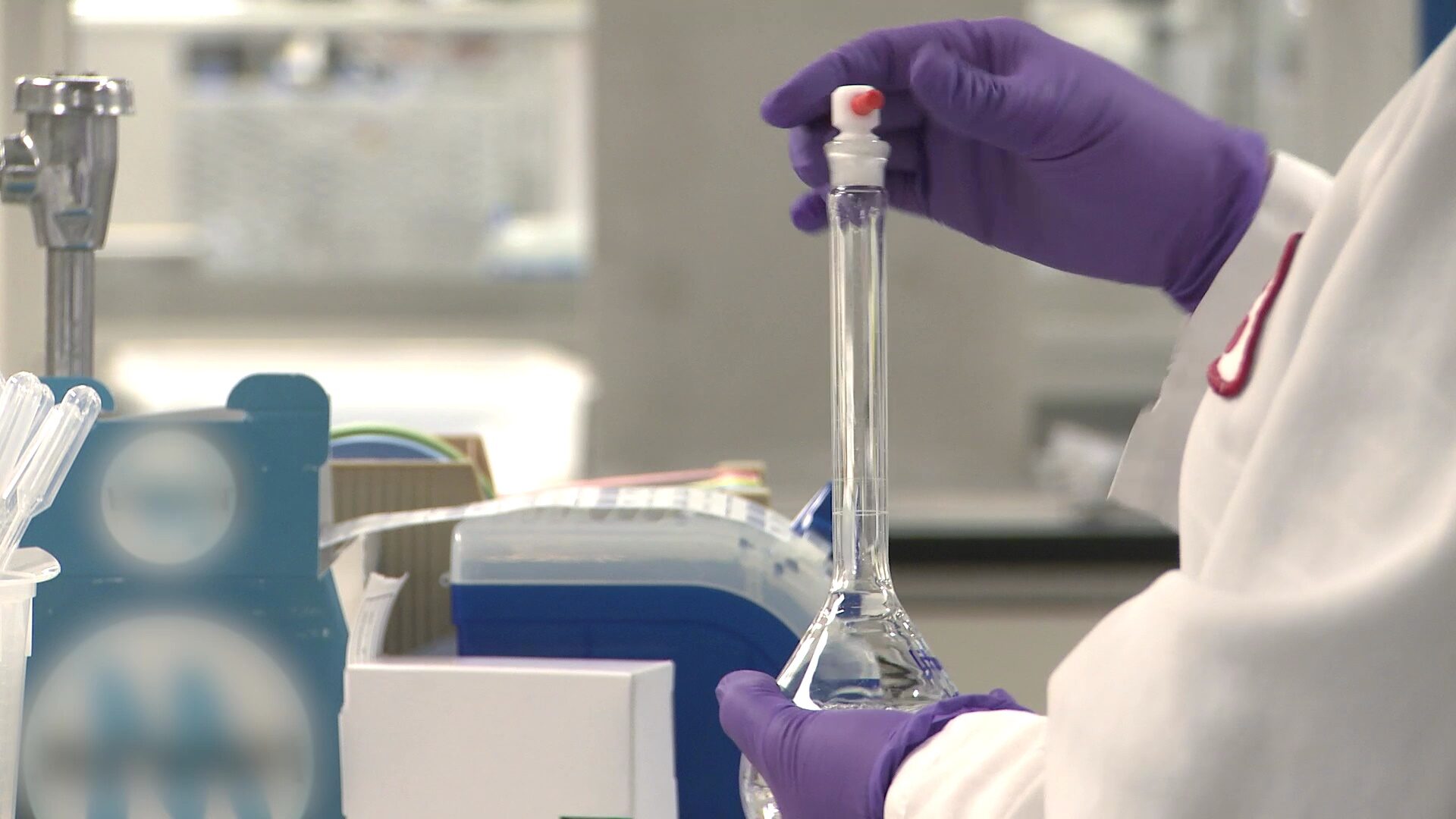
Beyond spatial layouts, modern process engineering must protect the drug’s molecular structure during compounding. For shear-sensitive biologics, this protection requires magnetically driven levitation impellers that eliminate heat-generating shafts and seals. Similarly, safeguarding chemically sensitive active ingredients from degradation involves maintaining precise atmospheric controls within the formulation vessel. Implementing active nitrogen overlays and nitrogen sparging processes, alongside continuous inline monitoring of dissolved oxygen and pH, helps maintain the bulk product’s stability throughout the formulation and hold period.
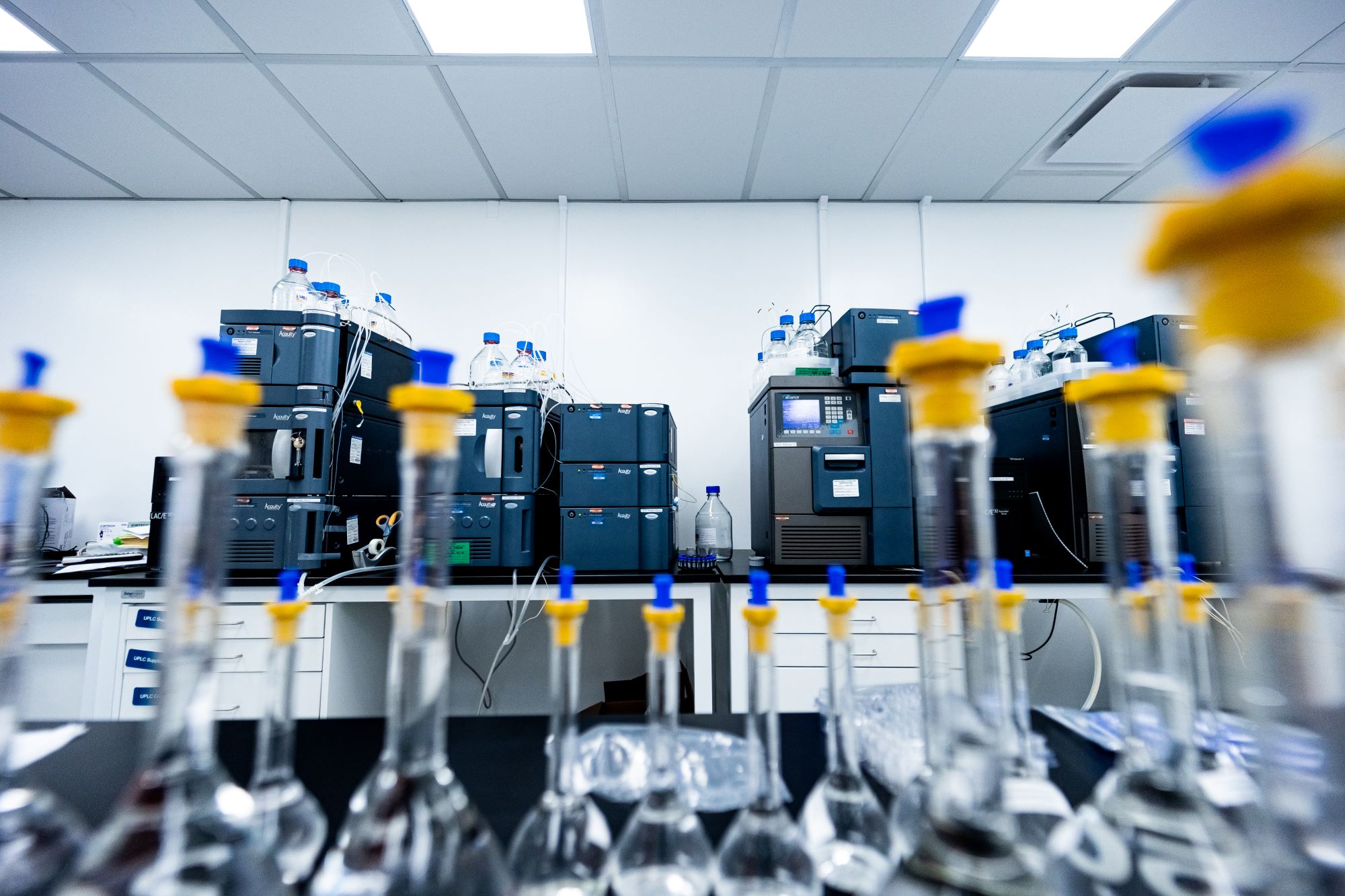
Finally, validating these processes requires testing the formulation on production-scale equipment rather than relying solely on laboratory-scale observations. These initial engineering runs expose the drug to production-scale conditions, allowing developers to set realistic process boundaries well before formal GMP production begins.
Who is precision formulation handling for?
Upstream precision handling is highly beneficial for several distinct types of drug development programs and stages of the product lifecycle:
- Complex and sensitive formulations: High-value assets such as monoclonal antibodies and recombinant proteins are vulnerable to the mechanical forces in standard mixing [2]. Small molecules prone to oxidation also require strict environmental controls to prevent chemical degradation [3].
- Programs transitioning to commercial scale: Replicating a clinical formulation at commercial scale introduces unexpected variability. Precision handling addresses this issue by reproducing formulation conditions across different manufacturing scales. Replicating these parameters eliminates scale-up guesswork and secures a predictable path toward validation.
- Early-stage development programs: Developing a robust compounding process early prevents costly process redesigns before a formulation is locked. Early precision handling helps developers identify molecular sensitivities, document realistic operating limits and design processes with industrial machinery in mind. This foresight ensures the bulk drug remains stable and behaves predictably inside its target delivery device.
What are the benefits of upstream control?
When upstream parameters are poorly defined, the instability reveals itself loudly during sterile fill finish. Inconsistencies appear as unexpected yield loss during processing alongside batch-to-batch differences in product chemistry. Beyond simple operational delays, these processing failures can escalate to complete batch rejection, lost commercial materials and compromised patient safety.
If a process arrives with technical gaps, structured risk assessments help secure the manufacturing timeline. Implementing a phased transition that moves from engineering runs to validation before starting GMP production provides a clear framework for scale-up. Applying enhanced monitoring during early batches and establishing clear contingency plans further mitigates uncertainty. This proactive quality mindset reduces the potential for deviations, investigations and delayed launch timelines.
Enhancing parenteral performance at Bridgeton
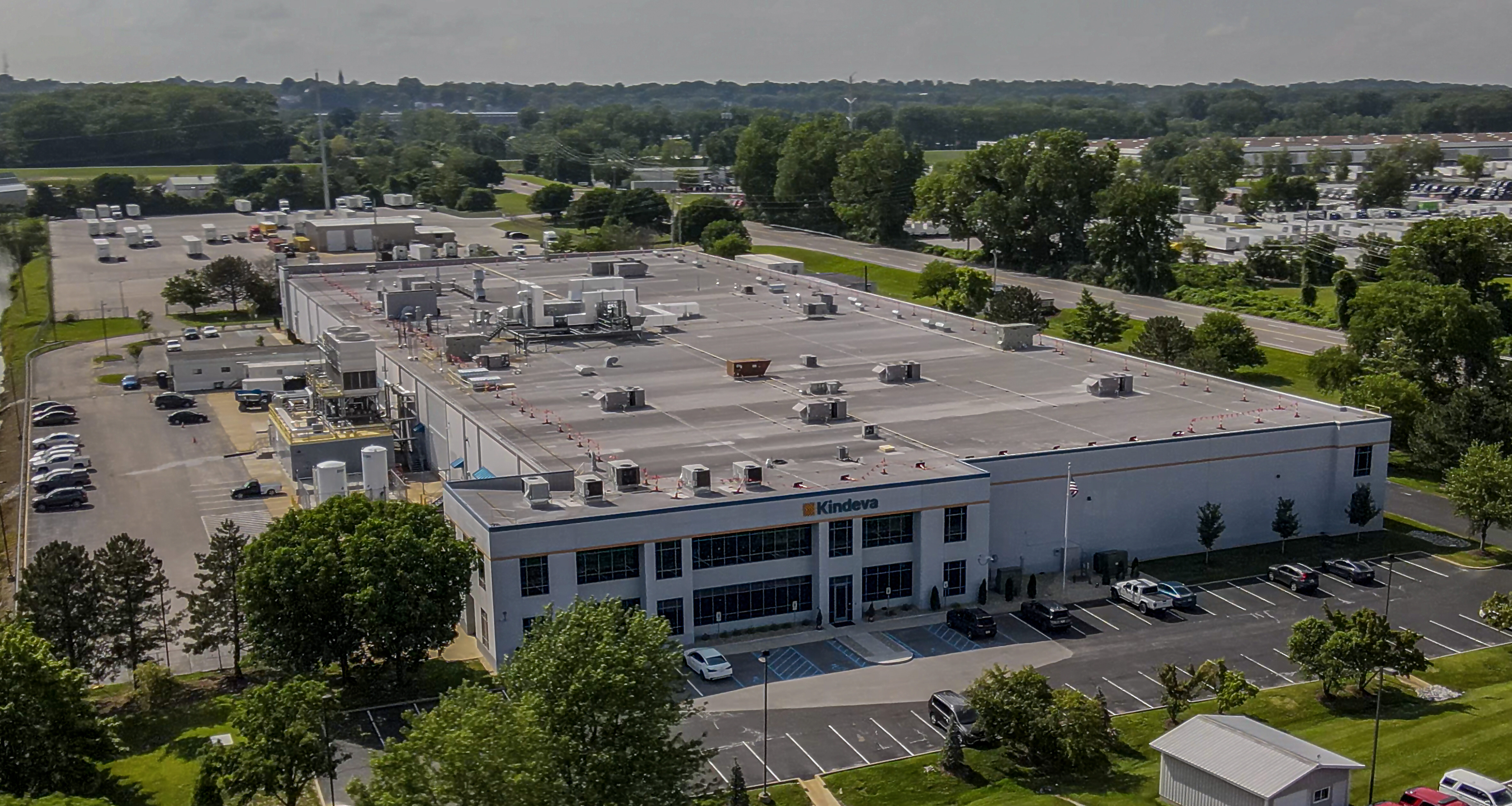
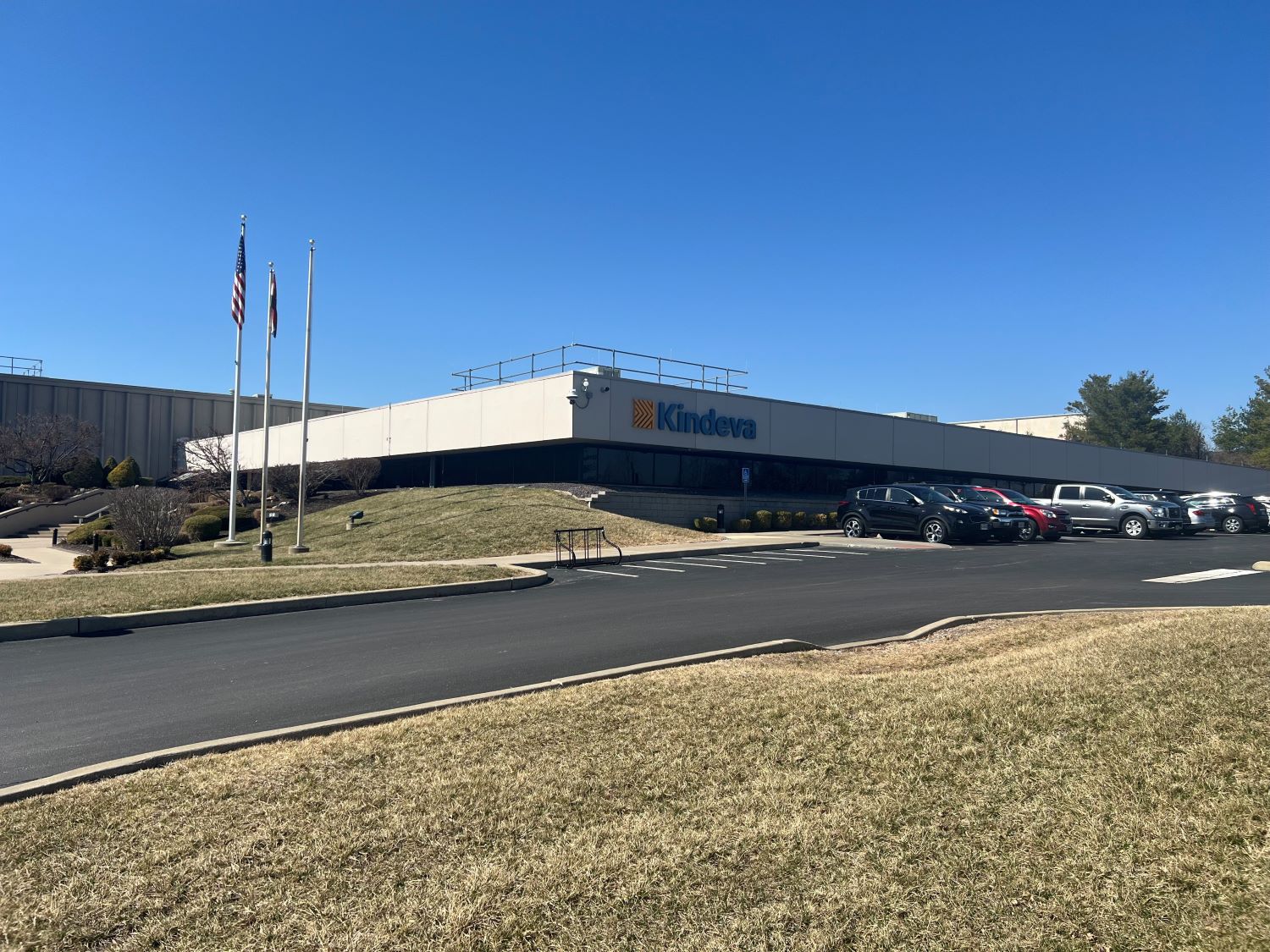
Kindeva has integrated these upstream precision capabilities into our state-of-the-art sterile fill finish facility in Bridgeton, Missouri. To protect sensitive bioproducts during compounding, the Bridgeton formulation suites combine single-use technology with levitating magnetic drive impellers to establish an ultra-low-shear mixing environment. These co-located modular suites accommodate varying program scales with formulation vessels ranging from 10 to 500 liters.
As an extended member of your team, Kindeva adds value by translating complex development processes into highly manufacturable designs. We strengthen CPPs and ensure the final formulation works seamlessly with your container-closure system. Our Bridgeton facility brings together the advanced infrastructure and technical expertise needed to de-risk your commercial path.
In our next blog, we will examine how modern high-speed filling lines maintain this precise control as the drug product is filled into vials, syringes or cartridges.
References
- European Commission. “Volume 4: EU Guidelines for Good Manufacturing Practice for Medicinal Products for Human and Veterinary Use – Annex 1: Manufacture of Sterile Medicinal Products.” 2022. https://health.ec.europa.eu/system/files/2022-08/20220825_gmp-an1_en_0.pdf
- Li, Jinjiang, Mary E. Krause, et al. “Interfacial Stress in the Development of Biologics: Fundamental Understanding, Current Practice, and Future Perspective.” The AAPS Journal. 21.44 (2019): Web. https://link.springer.com/article/10.1208/s12248-019-0312-3
- Gabri, Alen, Žiga Hodnik, Stane Pajk. “Oxidation of Drugs during Drug Product Development: Problems and Solutions.” Pharmaceutics. 14.325 (2022): Web. https://www.pharmaexcipients.com/wp-content/uploads/2022/02/Oxidation-of-Drugs-during-Drug-Product-Development-Problems-and-Solutions.pdf
Related resources
Explore our other resources to discover valuable insights on the latest trends in drug delivery.

Turning media fill data into stronger aseptic control in an Annex 1 era
Media fills provide an important demonstration of aseptic process performance, as the information gathered during a simulation gives manufacturers a stronger understanding of how the process behaves over time. As companies must now translate their media fill processes to meet Annex 1 expectations, the way this information is reviewed can provide valuable insight into aseptic […]
Learn More
Rethinking media fill strategy in the Annex 1 era
Media fills play a central role in aseptic process validation, providing a practical demonstration that a manufacturing process can be carried out without introducing microbial contamination. However, under the revised EU GMP Annex 1 guidance, the focus has shifted, and an acceptable final incubation result is no longer sufficient on its own. Now, media fills […]
Learn More
What’s behind the decisions shaping successful fill finish programs?
Advanced equipment and available cleanroom capacity are important considerations when choosing a sterile fill finish CDMO partner, but they only form part of the decision. As a drug program nears cGMP manufacturing, careful consideration of technical, quality, and operational readiness is essential, as it shapes how confidently a program can progress. These considerations take place […]
Learn More
Building sterile injectable manufacturing capacity for growing GLP-1 demand
Glucagon-like peptide-1 (GLP-1) receptor agonists are being prescribed more frequently, increasing pressure on sterile injectable manufacturing networks. To effectively serve expanding patient populations, developers must increase output while maintaining product quality and regulatory compliance without disrupting the supply of other therapies. Meeting the growing GLP-1 demand requires manufacturing models that can manage high-volume programs alongside […]
Learn More
Meeting the challenges of fill finish manufacturing
How flexible infrastructure and early manufacturing expertise can help drug developers respond to changing demand With rising demand for glucagon-like peptide-1 (GLP-1) medicines, continued progress in biologics and the expansion of self-administered treatments, new expectations are being placed on sterile fill finish operations. Manufacturers must accommodate different container formats and production volumes while maintaining consistent […]
Learn More
Delivering tomorrow’s injectables, today
Injectable therapies are entering a new phase of complexity. Biologics, personalized medicines and combination products are increasing demand for delivery systems that must adapt to more diverse formats and patient needs. Expectations around speed and compliance also continue to rise across the development lifecycle, placing greater pressure on how these systems are designed and scaled. […]
Learn More
Q&A: Navigating tech transfer and production pitfalls
Successful tech transfer alignment requires robust risk management and precise operational planning. When communication gaps or unforeseen supply chain hurdles emerge, project timelines and product quality are often the first to be affected. In this Q&A, we explore the common pitfalls of pharmaceutical tech transfers, including how to protect critical milestones without compromising safety and […]
Learn More
Webinar | Beyond the filling suite: How modular facility design supports sterile manufacturing success
Sterile manufacturing requirements are fast evolving, which means that many organizations are reassessing whether their legacy facilities can support future operational and regulatory demands. In this webinar, John Wichelt, Vice President and General Manager at Kindeva’s Bridgeton site, explores what a modern sterile fill finish facility needs to look like in this new era. Drawing […]
Learn More
What does Annex 1 mean for sterile drug product manufacturing?
Annex 1 compliance remains a key priority for companies working in sterile drug product manufacturing. But recognizing how fundamentally expectations around sterility assurance have changed may be the most significant challenge companies face. Revisions to the EU GMP Annex 1 requirements now move beyond individual compliance activities and place greater emphasis on how contamination risks […]
Learn MoreLet’s transform tomorrow together
Every patient deserves a brighter tomorrow. As your strategic partner, we are dedicated to building your lasting legacy and helping you fast-track healthier tomorrows. You dream it, we deliver it.