



Home / Knowledge hub /
Putting the patient at the center of drug dosage form innovation
November 24, 2026
Recent years have seen significant advances in drug discovery, leading to increasingly sophisticated treatments for patients.
However, the way these treatments have been administered to patients has remained largely unchanged.
Liquid injection has remained the default dosage form for many new and advanced treatments, which places additional burdens on the patients who need them. Some may be required to travel to in-person clinic appointments, or they may need to learn how to self-administer these treatments. The physical discomfort and anxiety that can be associated with receiving an injection may also affect the patient experience.
But as drug developers consider the future of their dosage forms, this creates an opportunity to develop more patient-centric options. By considering how a treatment fits into daily life, developers can explore dosage forms that help address the barriers to administration and support a better patient experience.
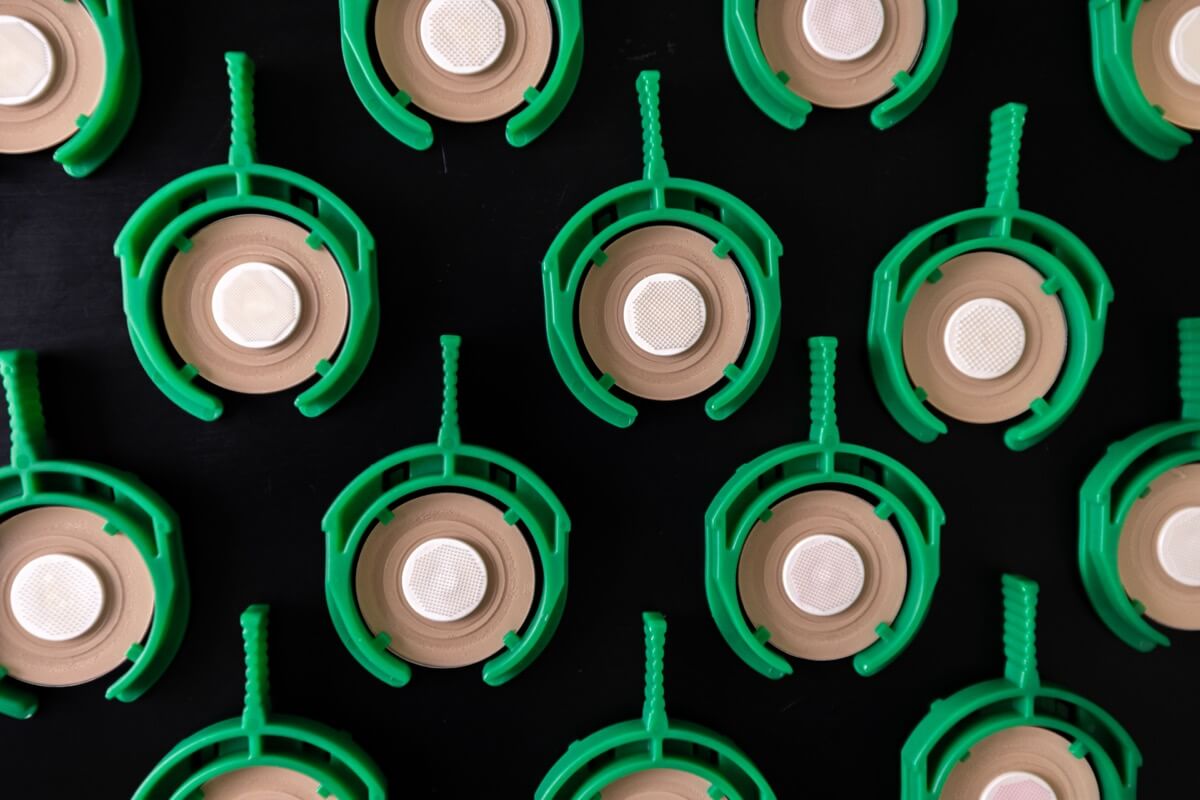
One area where advances in drug delivery could help support more patient-centric administration is with microneedle array patches (MAPs). This drug delivery format offers an alternative approach to delivering medicines through the skin, and could be particularly relevant for treatments that currently depend on regular injections.
In this article with IPI, Andy Riso, Vice President, Dermal Delivery and Licensing at Kindeva, explores how MAPs could help reshape the patient experience and what developers need to consider when designing the next generation of dosage forms.
Read the full article to explore how patient-centric thinking could shape the future of drug delivery.
Related resources
Explore our other resources to discover valuable insights on the latest trends in drug delivery.

Sterile fill finish Q&A: What should sponsors ask before manufacturing begins?
Successful sterile fill finish depends on decisions made long before a product reaches the filling line. Process understanding, technology transfer strategy, contamination control and commercial readiness all influence how confidently a program can progress into Good Manufacturing Practice (GMP) manufacturing. In this Q&A, Kindeva experts share practical perspectives on the questions pharmaceutical and biotech teams […]
Learn More
Why successful technology transfers can start by slowing down
Technology transfer programs often face pressure to move quickly, but rushing through the early stages can lead to costly execution delays when teams start before internal alignment is complete. By slowing down, teams can streamline the process, ensure alignment from the start, and challenge assumptions before the transfer begins. In other words, slow is smooth; […]
Learn More
Bridging the gap between upstream precision and downstream excellence in aseptic fill finish
The pressure to bring complex therapies, including biologics and glucagon-like peptide-1 (GLP-1) agonists, to market quickly has placed a significant strain on commercial production networks. As drug developers respond to growing demand for these therapies, the transition from bench top discovery to commercial aseptic fill finish volumes can happen quickly. But, when upstream processing scales […]
Learn More
Turning media fill data into stronger aseptic control in an Annex 1 era
Media fills provide an important demonstration of aseptic process performance, as the information gathered during a simulation gives manufacturers a stronger understanding of how the process behaves over time. As companies must now translate their media fill processes to meet Annex 1 expectations, the way this information is reviewed can provide valuable insight into aseptic […]
Learn More
Rethinking media fill strategy in the Annex 1 era
Media fills play a central role in aseptic process validation, providing a practical demonstration that a manufacturing process can be carried out without introducing microbial contamination. However, under the revised EU GMP Annex 1 guidance, the focus has shifted, and an acceptable final incubation result is no longer sufficient on its own. Now, media fills […]
Learn More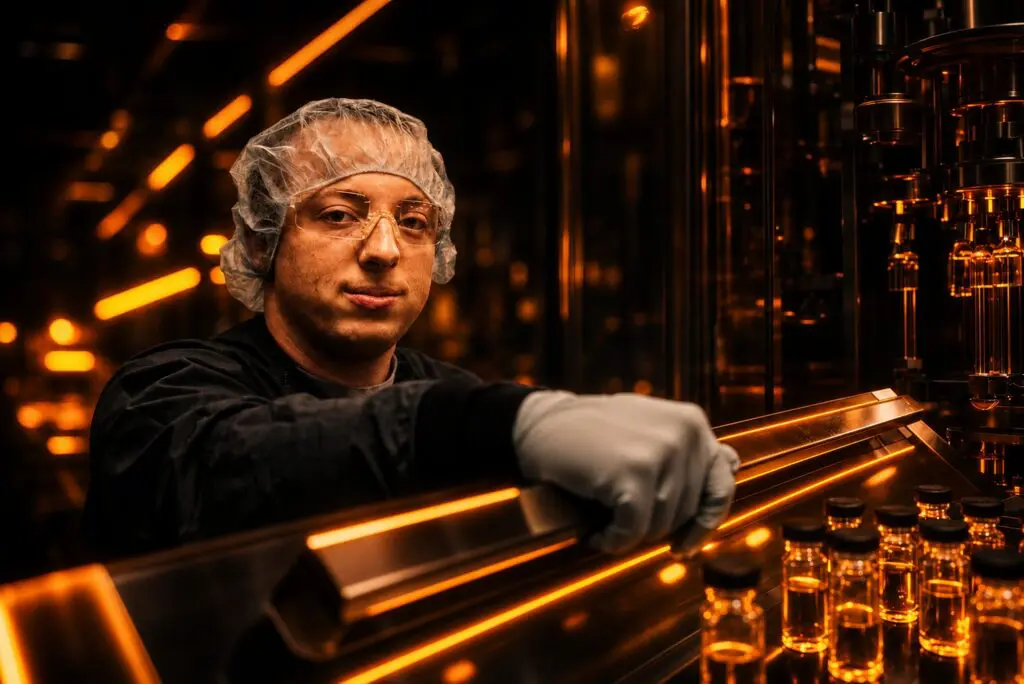
What’s behind the decisions shaping successful fill finish programs?
Advanced equipment and available cleanroom capacity are important considerations when choosing a sterile fill finish CDMO partner, but they only form part of the decision. As a drug program nears cGMP manufacturing, careful consideration of technical, quality, and operational readiness is essential, as it shapes how confidently a program can progress. These considerations take place […]
Learn More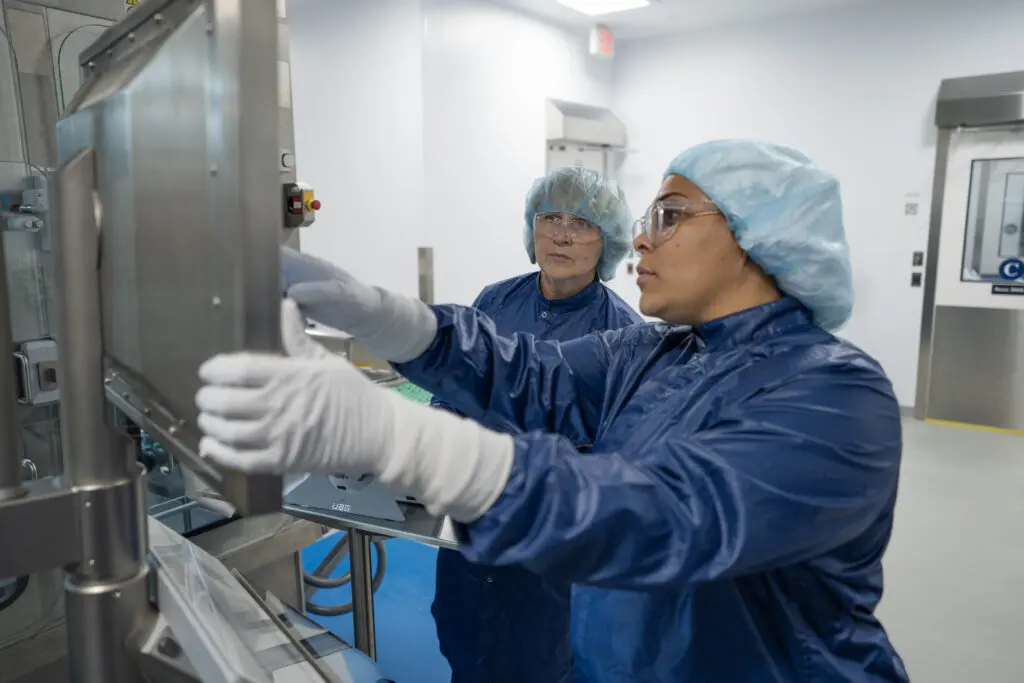
Building sterile injectable manufacturing capacity for growing GLP-1 demand
Glucagon-like peptide-1 (GLP-1) receptor agonists are being prescribed more frequently, increasing pressure on sterile injectable manufacturing networks. To effectively serve expanding patient populations, developers must increase output while maintaining product quality and regulatory compliance without disrupting the supply of other therapies. Meeting the growing GLP-1 demand requires manufacturing models that can manage high-volume programs alongside […]
Learn More
Meeting the challenges of fill finish manufacturing
How flexible infrastructure and early manufacturing expertise can help drug developers respond to changing demand With rising demand for glucagon-like peptide-1 (GLP-1) medicines, continued progress in biologics and the expansion of self-administered treatments, new expectations are being placed on sterile fill finish operations. Manufacturers must accommodate different container formats and production volumes while maintaining consistent […]
Learn More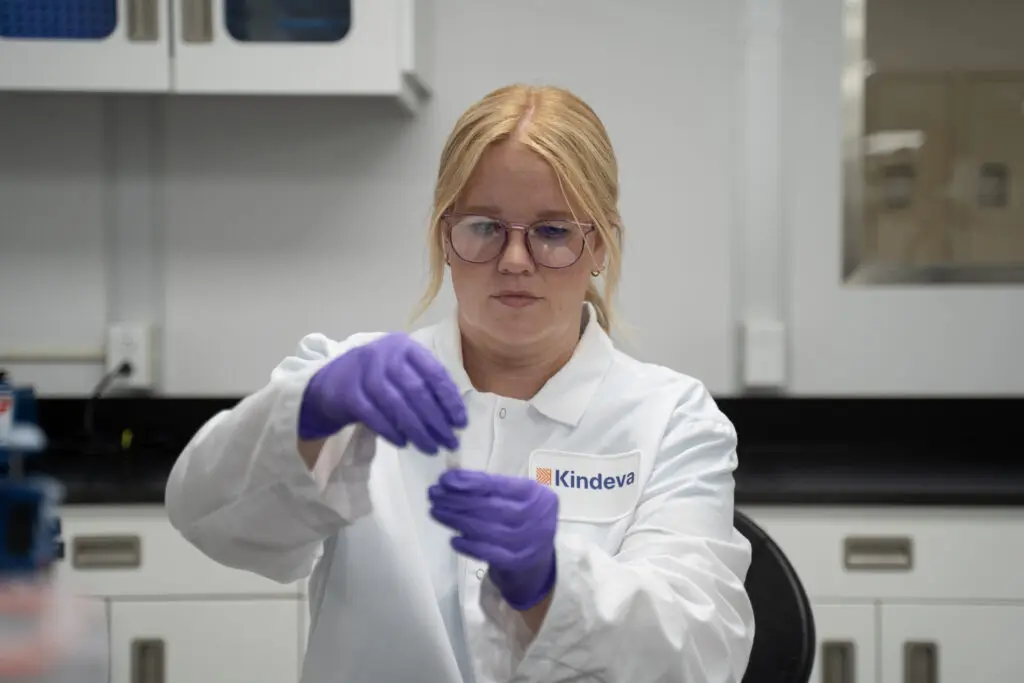
Can one quality system manage complexity across multiple drug delivery platforms?
As drug development portfolios expand across multiple delivery platforms, increasing complexity places quality systems under greater strain. For sponsors considering a CDMO, it is essential to know that the Quality Management System (QMS) can provide consistency while allowing teams to respond appropriately to the requirements of each product. A harmonized QMS can provide that framework […]
Learn MoreLet’s transform tomorrow together
Every patient deserves a brighter tomorrow. As your strategic partner, we are dedicated to building your lasting legacy and helping you fast-track healthier tomorrows. You dream it, we deliver it.