Home / Knowledge hub /
The next leap in skin-based drug delivery: How dermal delivery platforms are transforming tomorrows for patients
January 16, 2026
Skin-based drug delivery is gaining attention as patients and healthcare systems look for treatments that support at-home administration and remove the need for needle-based injections. As this shift accelerates, developers are investing in technologies that improve usability without compromising performance. These platforms are opening new possibilities for therapies that rely on reliable, patient-preferred delivery.
A growing recognition of the need for connected development is also shaping progress. Formulation, device engineering and manufacturing must align from the outset. This approach supports stronger technical decision-making, reduces late-stage risk and ensures that therapies can advance with the scale and consistency required for global supply.
A changing landscape for skin-based delivery
Interest in dermal platforms has increased as more organizations consider alternatives that simplify treatment for patients and ease pressure on clinical settings. Many therapies under development today target chronic conditions where convenience and comfort influence adherence. These factors help explain why the global transdermal drug delivery market exceeded $7 billion in 2024 and is projected to approach $10 billion by 2030 [1]. Developers are exploring skin-based routes for conditions such as diabetes, migraines and hypertension as part of broader efforts to create systems that support flexible, patient-centered care.
The rise of microneedle array patches (MAPs) has played a significant role in this momentum. Traditional transdermal patches rely on passive diffusion through the stratum corneum, which is appropriate for small-molecule drug formulations. MAPs bypass the stratum corneum by placing micro-scale needles directly into the dermis, an area rich in antigen-presenting cells. This direct placement can support dose-sparing strategies and reduce the need for adjuvants while still achieving strong immune responses, making MAPs a promising option for vaccines and biologics.
In addition, MAPs offer the potential for long-term room temperature stability. Reducing cold-chain requirements can help expand access in regions with limited refrigeration infrastructure. Although no MAP platform for drug or vaccine delivery has yet been approved by the U.S. Food & Drug Administration (FDA), one technology has advanced to Phase III evaluation. This progress is giving the industry valuable insight into regulatory expectations, clinical endpoints and manufacturing requirements for the first generation of commercial MAP products.
Selecting the right platform for each therapy
Choosing the most appropriate dermal platform requires aligning delivery characteristics with therapeutic goals. Transdermal systems suit small molecules that benefit from sustained release over several days. Dose requirements, drug solubility and skin permeation rate all influence the final design.
For treatments requiring rapid onset or targeted intradermal placement, MAPs offer a flexible alternative. Current development activity spans three primary MAP categories:
- Solid coated microneedles
These deliver a dry, stabilized coating on the needle surface. They are well-suited to molecules that are sensitive to moisture and benefit from room temperature stability. - Dissolvable microneedles
These hold the active ingredient within a matrix that dissolves in the skin. This means they potentially offer higher drug loading, but require materials that support both structural integrity and controlled dissolution. - Hollow microneedles
These deliver liquid formulations through small internal channels and accommodate higher dose volumes. They support a broader range of biologics but introduce additional considerations around stability and device engineering.
One of the strengths of MAPs is the ability to fine-tune needle length, density and geometry to match a therapy’s delivery requirements. When these decisions are informed by both formulation science and engineering knowledge, developers can create systems that fit like a glove. This level of customization is critical for designing dermal products that perform reliably while maintaining a path to high-volume manufacturing.
Co-development as a foundation for success
Advancing dermal systems requires a level of coordination that goes beyond many traditional drug-device programs. The microneedle architecture, the formulation strategy and the manufacturing conditions each influence performance, and these factors become even more important when working with biologics. Their sensitivity to humidity, shear and temperature means that seemingly small changes in process conditions can alter stability and, in some cases, compromise the final product.
These complexities make early collaboration essential. Dermal delivery systems require close coordination between formulation teams, device engineers and manufacturing experts because the performance of every component depends on the stability of the molecule it supports. This is especially true for biologics which may degrade if exposed to incompatible materials or inconsistent environmental controls. When developers detect early signs of instability, they often need to explore refinements to excipients, coating processes or microneedle materials. For hollow MAPs, the viscosity of a liquid formulation may also influence the rate of delivery into the skin and influence the device characteristics needed to achieve consistent dosing.
This is where Kindeva brings meaningful advantages. Our full-service support accelerates timelines, reduces risk and scales with success because each stage of development is guided by experience in both formulation and device integration. With advanced inspection technologies, automated assembly systems and strong analytical capabilities, Kindeva manages critical quality attributes at every stage to ensure product quality and compliance. This level of integration supports a smoother path from concept to commercial-scale manufacturing and gives developers confidence that their dermal product is being built for long-term viability.
Designing for manufacture from the start
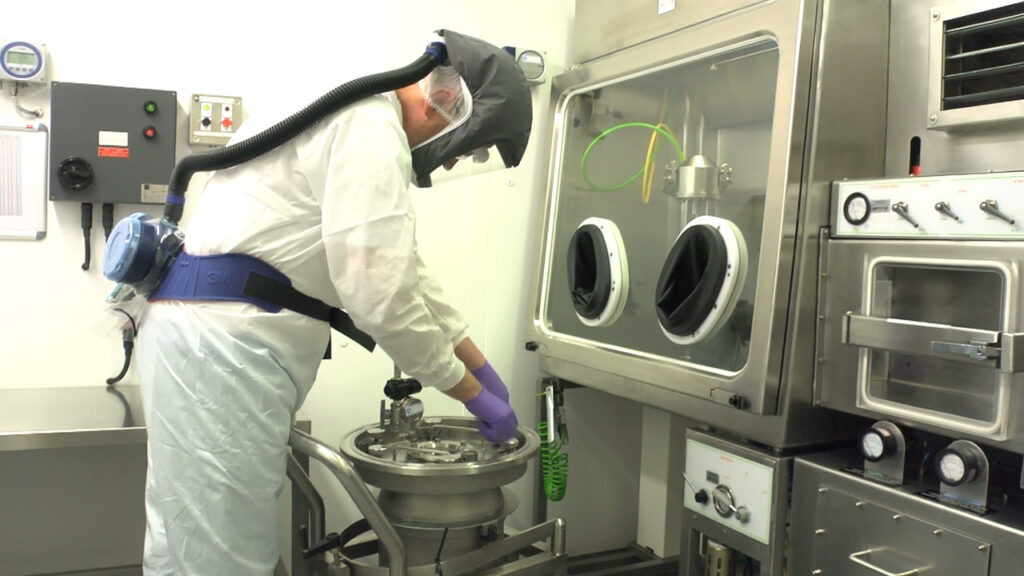
Commercial success relies on early development choices that support both quality and long-term scalability. Dermal platforms often fall under combination product regulations, which means the formulation, device components and packaging must function as a unified system during high-volume production. Factors such as material selection, adhesive behavior and the processes used for coating and packaging all influence stability, so building manufacturability into the design from the outset is essential.
Kindeva’s significant aseptic manufacturing capability allows developers to identify potential risks early, apply best practices from decades of drug delivery experience and design processes that support efficient scaling. This ensures that advanced or specialized dermal therapies are produced with the precision and uniformity needed for global markets. Our teams also provide continuous post-launch process validation to ensure sustained best-in-class performance, helping products remain reliable as new data, operational learnings or patient insights emerge.
Early dialogue with regulators is another crucial element of successful market preparation. As MAP programs advance, agencies are offering clearer expectations for clinical design, safety requirements and chemistry manufacturing and controls (CMC) documentation. Kindeva helps developers interpret and apply this guidance from the outset, reducing uncertainty and supporting smoother progression from proof-of-concept to commercial readiness.
A new era for dermal innovation
The increasing interest in skin-based delivery reflects a wider shift toward therapies designed around patients’ needs. Advances in transdermal technologies and MAPs are helping expand access, simplify administration and support more flexible models of care. With dermal solutions designed around patients’ needs, the industry can improve adherence and outcomes while integrating treatments more naturally into everyday life.
Kindeva is helping move the field one step further. By uniting formulation expertise with device engineering and scalable manufacturing, we deliver everything your dermal therapy needs from a single partner. Our experience in skin-contact materials, aseptic production and quality management positions us to help developers create reliable, effective dermal solutions that are ready for global supply and long-term success.
To discuss how Kindeva can support your program, contact us here.
References
Related resources
Explore our other resources to discover valuable insights on the latest trends in drug delivery.
Transdermal CDMO capabilities
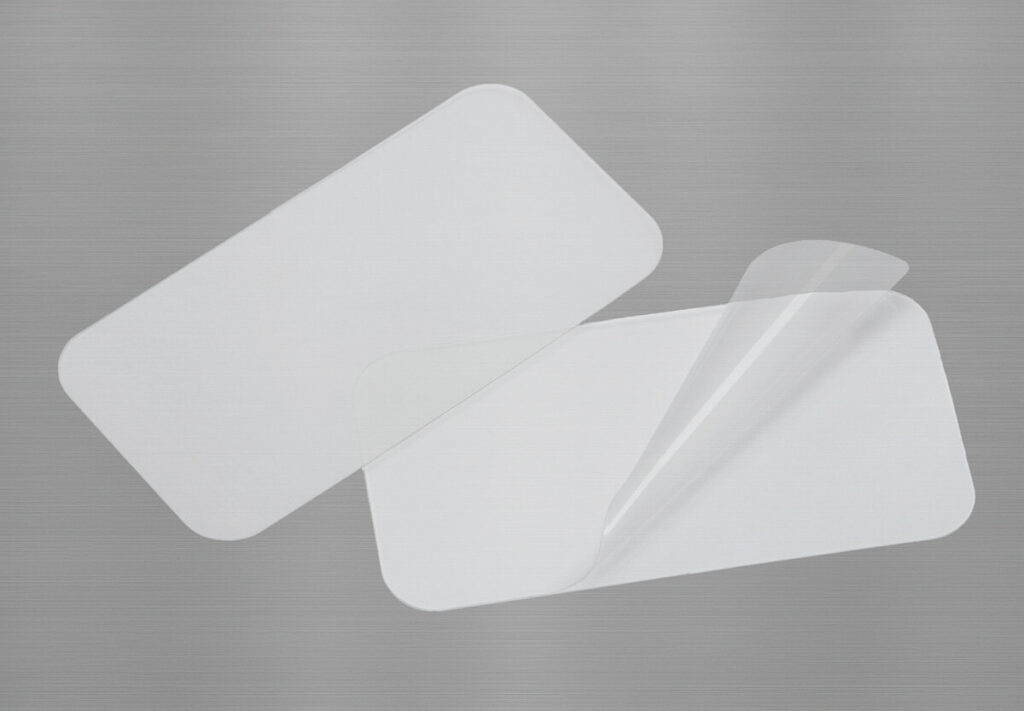
Partner with the only CDMO with multiple options to deliver drugs to and through the skin. Our end-to-end services for transdermal platforms accelerate your path to market. Download our information sheet to explore: Our 50+ years of transdermal innovation, including the first drug-in adhesive patch in 1970 An overview of our formulation, development, manufacturing, and […]
Learn MoreLet’s transform tomorrow together
Every patient deserves a brighter tomorrow. As your strategic partner, we are dedicated to building your lasting legacy and helping you fast-track healthier tomorrows. You dream it, we deliver it.